


 US Federal Register Drops Alibaba Qwen AI Search Tool
  Meta CEO Zuckerberg Backs Independent AI Safety Reviews Over Development Slowdown
  Apple Pay Set for India Launch With Axis Bank
  Meta Partners With Shopify to Bring Shop Pay Checkout to Muse AI
  AI is supercharging money scams – here’s what you can do to protect yourself
  Guterres Urges Stronger Global AI Safeguards Ahead of UN Assembly
  Trump Plans Federal AI Force and AI Czar
  Paramount Skydance Faces $30 Million Film Penalty in Warner Bros. Deal
  CNN, MS NOW and Politico Sue Trump Over White House Media Ban
  Burnham Eyes UK Leadership Role in AI Ahead of Trump Meeting
  Petrobras Joins Brazil Diesel Subsidy Program
  MediaTek Unveils 2nm Dimensity 9600 Pro AI Chip
  Hyundai CEO Warns Chinese Automakers Could Disrupt US Market
  NASA, Boeing Discuss Expanding Starliner Missions
  Rosenblatt Starts Nokia at Buy on AI Networking Growth
  Nvidia CEO Jensen Huang Expected at Trump-Xi State Dinner
  Who should own the knowledge that underpins AI technology?


 Add as a preferred source on Google
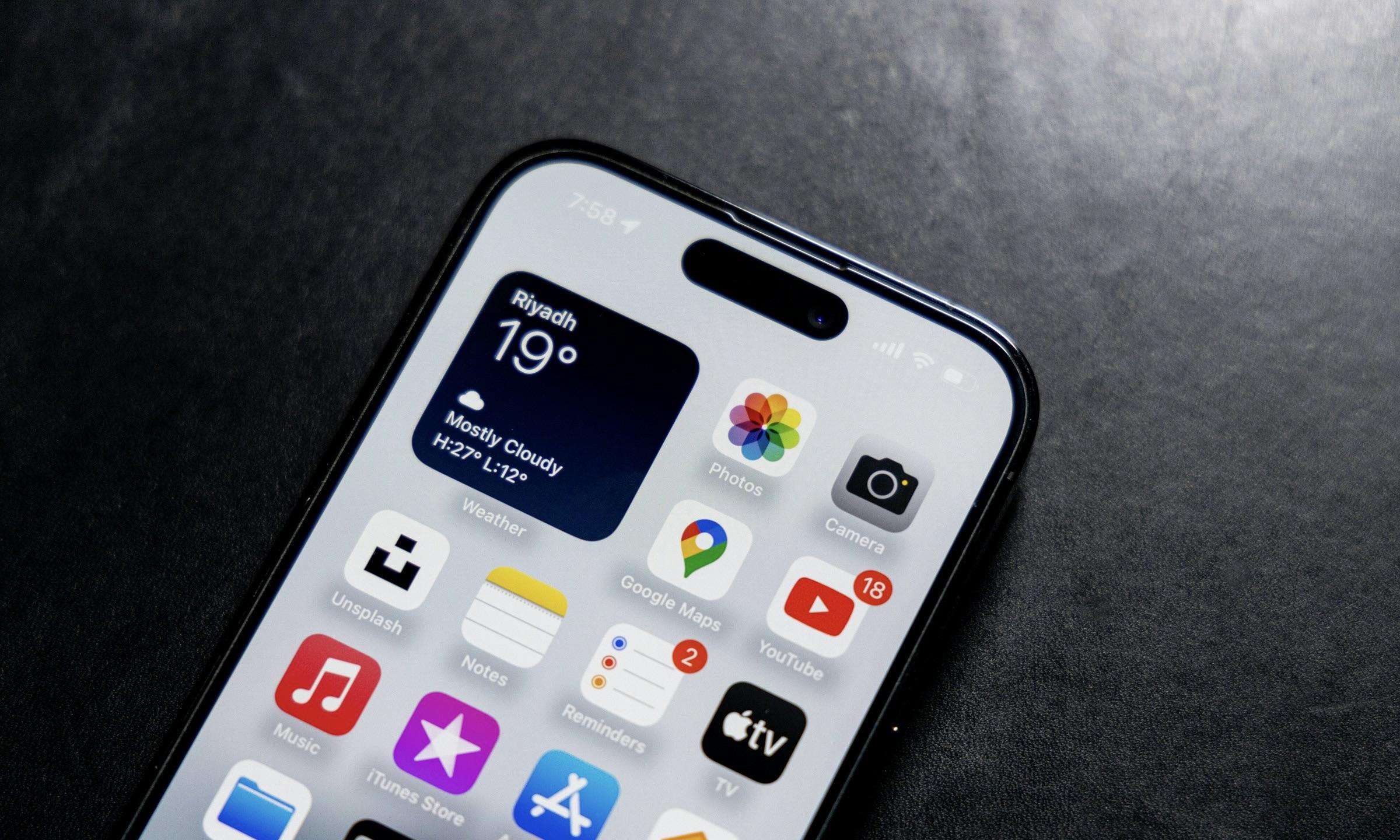
A groundbreaking Apple patent reveals a futuristic method to unlock devices using your unique heartbeat, setting a new standard for security and convenience.
ECG Tracks Unique Heartbeat
In the future, Apple plans to make it so that your Apple Watch or future iPhone may detect your unique heartbeat and unlock your smartphone with the simple wave of a finger.
Through its electrocardiogram (ECG) app, the Apple Watch is able to track each individual's heartbeat. Apple details a method for user identification using their unique heart rate and other physiological parameters in a patent that was just issued.
Heart Patterns Boost Security
By utilizing this technology, all of your devices can be unlocked just by continuing to wear your Apple Watch. You may speed up the identification process and boost security by using your heart patterns as a verification rather than a password or fingerprint scan.
Take Apple Watches as an example; at the moment, you can't use them to unlock Macs without first entering a passcode. You might bypass the need to input a password or passcode by simply strapping your Apple Watch to your chest and collecting an electrocardiogram reading. You can use your watch as an authentication token to gain access to other devices as long as you keep it on your wrist.
AppleInsider elaborates that two points of contact are required for an electrocardiogram (ECG) readout. The Apple device's digital crown and rear of the device house its sensors. A digital crown touch initiates a circuit that permits the measurement of the heart when the ECG app is launched.
Heart-Measuring Gadget in iPhone
By just holding the iPhone properly, it would be able to authenticate using heart rate, according to Apple's patent. A heart-measuring gadget would be built into the entire iPhone casing.
The patent goes on to mention that electrocardiogram data can be used to determine the user's "mood." Using heart rate data collected while exercising as an example, Apple suggests listening to music at the perfect tempo to complement the exercise.
For instance, during a user's workout, the app may stream a faster-paced song, and during their cooldown, it could automatically play a slower-paced song.
All four of these people—Andrew B. Hodge, Gloria Lin, and Taido L. Makajima—were named in the patent. One of Lin's many patents is for user identification using data other than biometrics.







