


 Select Water Solutions Shares Surge on $700 Million Pilot Water Deal
  Tencent Launches TenPayGo Payment App for Foreign Tourists in China
  Suzuki Targets Faster Car Development to Keep Pace With Chinese Rivals
  Oil Prices Ease as Iran Tensions Clash With Diplomacy Hopes
  Apple Extends Qualcomm Patent Licensing Deal
  U.S. Treasury Yields Surge as 30-Year Hits 22-Year High
  Former OpenAI Data Center Chief Chris Malone Joins Nvidia
  SMBC Eyes 20% VPBank Stake in Vietnam Expansion
  China Vanke Shares Jump as Beijing Moves to Ease Debt Pressure
  Asian Currencies Mixed as Dollar Holds Near Two-Month High
  Dollar Holds Near Two-Month High as Yen Approaches 160
  Soybean Futures Slip as Traders Await Trump-Xi Trade Signals
  Tesla Semi Rollout Begins at Nevada Factory
  Asian Stocks Fall as Surging Bond Yields Rattle Markets
  U.S. 10-Year Treasury Yield Hits 2007 High as Fed Rate Hike Bets Rise
  Fed Unveils Stablecoin Rules Under GENIUS Act
  Japan Private-Sector Growth Slows as Domestic Demand Weakens


 Add as a preferred source on Google
Apple Inc. announced on Monday, Sept. 19, that it would implement price increases for items in its App Store. The American tech firm is applying the new rates for purchases in some European and Asian regions starting next month.
Apple revealed that it would be raising the prices of apps and in-app purchases on its App Store. The company mentioned that some of the countries that will see higher rates include Malaysia, Japan, and all nations that use the euro currency, as per Reuters.
Price increases for Apple’s App Store items are also expected to be implemented in South Korea, Pakistan, Sweden, Poland, and Chile in South America. Based on the report, the new prices are set to take effect as early as Oct. 5, and the rates exclude auto-renewable subscriptions.
The price adjustments are expected to reflect the new regulations set by Vietnam for Apple, where it must collect and pay applicable taxes such as value-added tax (VAT) and corporate income tax (CIT) at 5% rates.
It was mentioned that Apple typically adjusts its prices in different territories from time to time. In fact, last year, it also reduced prices for countries under the “euro zone”, and this was done to fine-tune the corresponding currencies and taxes. The latest price increase starts at €1.19.
In any case, the new rates are being applied as a way of protecting the company’s margins as major currencies collapse against the US dollar. Bloomberg reported that the strong dollar today could actually be a key driver.
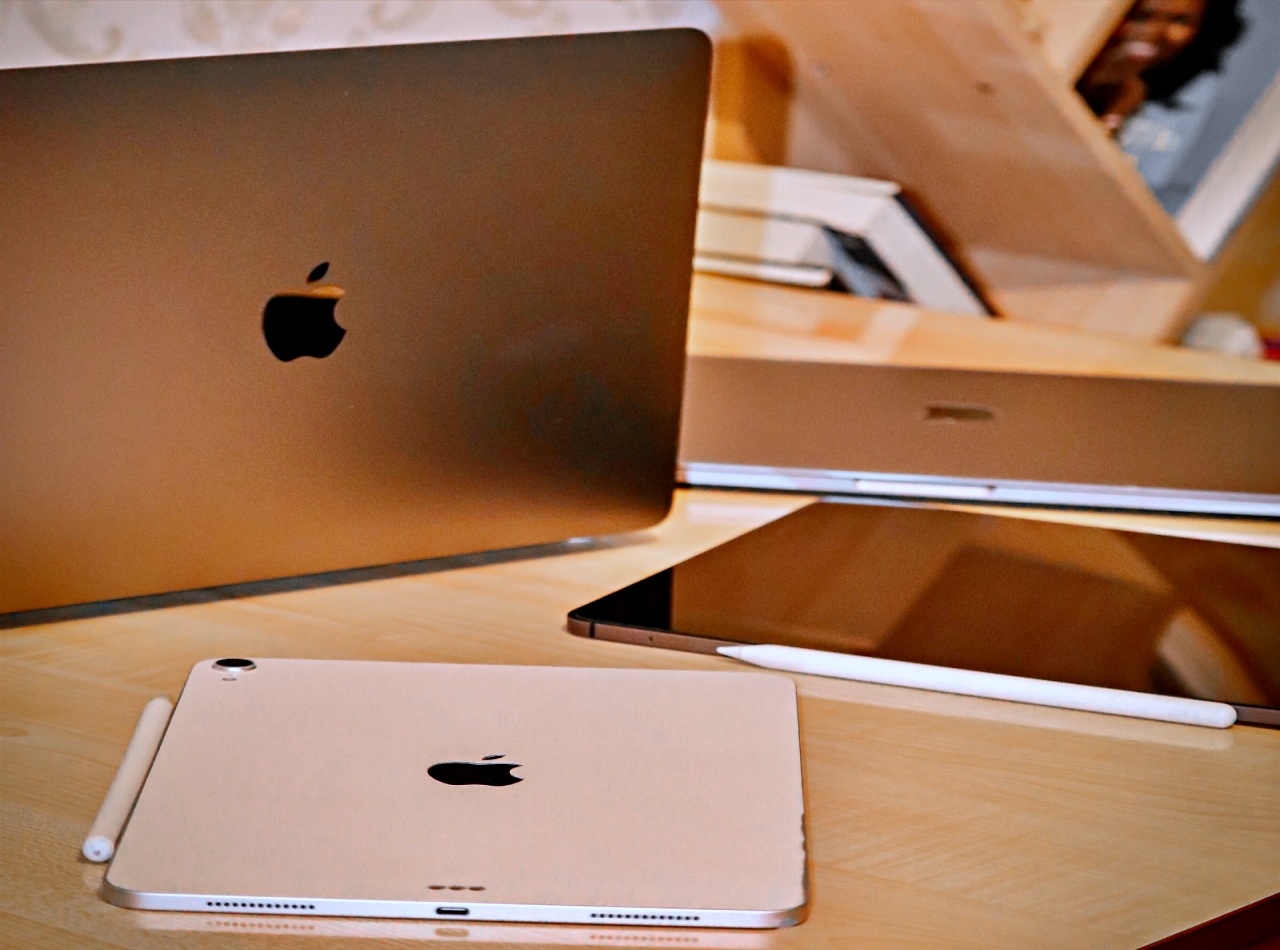
The latest price hike for in-app purchases and apps on Apple’s App Store comes after the company raised the prices of its leading products, including the iPhone, iPad, and Mac computers, earlier this summer. The increase was due to the discrepancy in currencies when the dollar’s value started to soar.
“It is not the first time Apple is adjusting App Store prices, but this hike is a pretty hefty one,” Serkan Toto, an analyst at Tokyo-based Kantan Games company said in a statement. “It is inevitable the price adjustment will be felt by app and game developers in the markets affected. People might be more hesitant to make in-app purchases now than ever, and developers might be forced to get more creative in terms of pricing in the future.”







