


 Canadian Dollar Faces Pressure as Fed-BoC Policy Gap Widens
  Fed Unveils Stablecoin Rules Under GENIUS Act
  Japan Private-Sector Growth Slows as Domestic Demand Weakens
  RBI Uses $10 Billion Currency Swaps to Drain Excess Rupee Liquidity
  Oil Prices Jump 3% as Houthi Attack Revives Supply Fears
  Gold Holds Near $4,275 as Rising Treasury Yields Fuel Fed Rate Hike Bets
  Oil Prices Fall on U.S.-Iran Hormuz Deal Hopes
  European Stocks Fall as Bond Yields and Geopolitical Risks Weigh
  Fed’s Hammack Says Bond Yield Surge Is Not Driven by Inflation Fears
  Oil Prices Ease as Iran Tensions Clash With Diplomacy Hopes
  Soybean Futures Slip as Traders Await Trump-Xi Trade Signals
  Fed Unveils Stablecoin Rules Under GENIUS Act
  Asian Stocks Fall as Surging Bond Yields Rattle Markets
  Asian Currencies Mixed as Dollar Holds Near Two-Month High
  Trump, Xi Focus on Trade and AI at White House Summit
  Japanese Yen Rebounds as Trump Flags Currency Weakness
  Wall Street Ends Flat as Oil, Treasury Yields and Fed Jitters Rattle Markets


 Add as a preferred source on Google
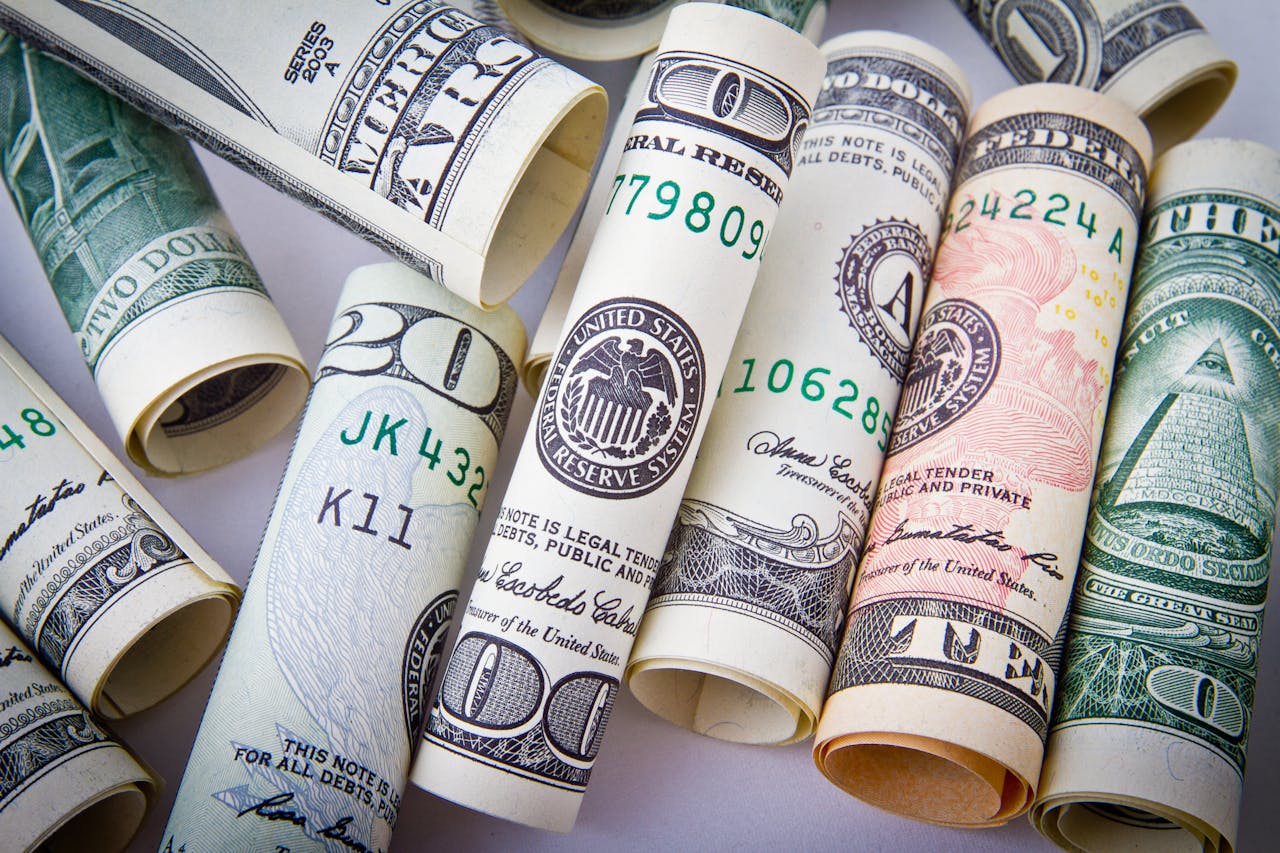
The U.S. dollar fell to a five-week low on Thursday as Asian stocks opened the trading day with muted performance, reflecting growing expectations that the Federal Reserve will cut interest rates at its meeting next week. Softer U.S. economic data has strengthened the market’s view that monetary easing is imminent.
Japan’s Nikkei 225 gained 0.8%, supported in part by strength in semiconductor-related shares, while MSCI’s broad Asia-Pacific index outside Japan slipped 0.1% due to declines in South Korea and New Zealand. U.S. equity futures were steady, with S&P 500 e-mini futures showing little movement after Wall Street’s rally lost steam in Asia.
In the U.S., stocks extended gains on Wednesday as small-cap companies led the advance. The Russell 2000 jumped 1.9%, and the S&P 500 rose for a second straight session. The rally followed U.S. private payrolls data that logged its steepest drop in more than two and a half years. Additional data from the Institute for Supply Management showed a contraction in services-sector employment, while its prices-paid index fell to a seven-month low—signals that inflationary pressure may be softening.
ANZ economist Henry Russell noted that the decline supports expectations of disinflation returning in 2026. He said the bank anticipates a 25-basis-point cut at the Fed’s December 12 meeting, with more policy easing next year to guard against weakening labor market conditions.
Markets largely agree: Fed funds futures now price in an 89% probability of a quarter-point cut, up from 83.4% a week earlier. The U.S. dollar index slipped 0.4% to 98.878, marking its ninth consecutive daily decline. The benchmark 10-year Treasury yield held steady around 4.07% amid reports that investors are uneasy about Fed chair candidate Kevin Hassett possibly aligning rate policy more closely with President Donald Trump’s preferences.
In currency markets, the offshore Chinese yuan remained stable near its strongest level against the dollar in over a year at 7.056 per dollar. Australia’s dollar inched 0.1% higher after data showed a sharp rise in household spending and a wider-than-expected trade surplus fueled by stronger gold exports.
Japanese chipmakers also advanced after reports that Trump met with Nvidia CEO Jensen Huang to discuss export controls. Tokyo Electron rose 0.7% on the news.
Meanwhile, precious metals continued their rally. Gold edged up 0.2% to $4,213.38 per ounce, while silver added 0.1% to $58.5415 after hitting a record high during its nine-day winning streak.







