


 Oil Prices Rise as U.S.-Iran Talks Fuel Diplomacy Hopes
  CNN, MS NOW and Politico Sue Trump Over White House Media Ban
  Dollar Hits Two-Month High as Fed Rate Hike Bets Rise
  Westinghouse Targets $50 Billion Valuation in U.S. IPO
  Apple Pay Set for India Launch With Axis Bank
  Trump Bans CNN, MS NOW and Politico From White House
  Petrobras Joins Brazil Diesel Subsidy Program
  Microsoft Stock Upgraded as Stifel Sees Stronger Azure Growth
  US Dollar Hits Two-Month High as Fed Rate Hike Bets Rise
  Scott Bessent Eyed as Trump’s New AI Czar
  Canada Unveils Bill to Fast-Track Major Resource Projects
  China’s ‘Lipstick King’ Says AI Won’t Replace Livestream Hosts
  Yen Weakens as Dollar Gains on Widening US-Japan Rate Gap
  Paramount-Warner Bros $110 Billion Deal Draws Antitrust Backlash
  Asian Stocks Mixed Ahead of Trump-Xi Meeting
  Japan, U.S. Discuss $19 Billion GlobalFoundries Chip Plant
  Rosenblatt Starts Nokia at Buy on AI Networking Growth


 Add as a preferred source on Google
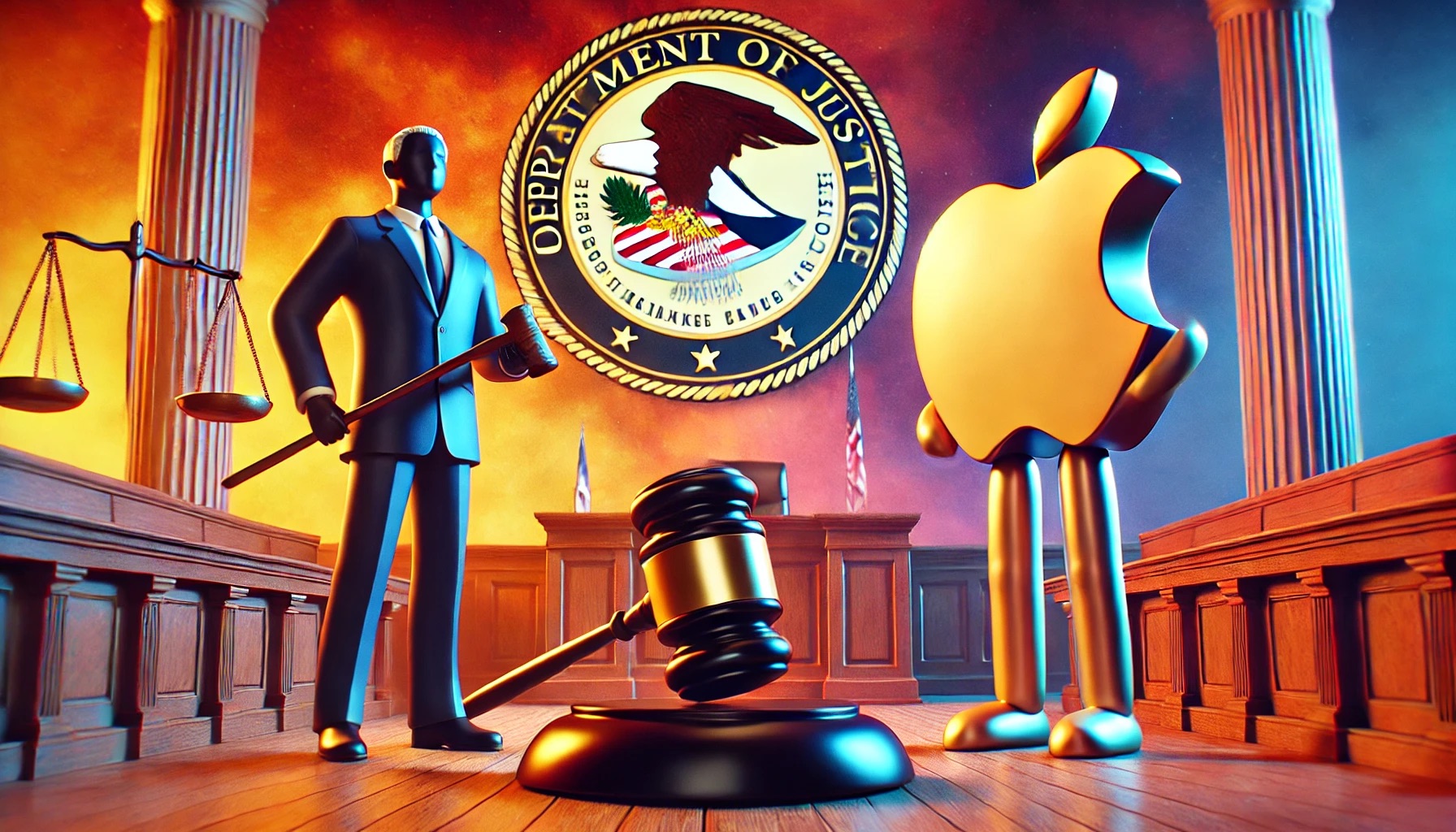
In a pivotal antitrust battle, Apple has requested a U.S. judge dismiss the DOJ lawsuit accusing the iPhone maker of stifling competition in the smartphone market. The case is the latest in ongoing scrutiny of Big Tech practices.
Apple Moves to Dismiss DOJ Antitrust Case
On Wednesday, in the latest Big Tech antitrust clash, Apple requested that a federal judge dismiss the U.S. Department of Justice's complaint that accused the iPhone maker of unjustly controlling the smartphone market, Reuters reports
While arguing before U.S. District Judge Julien Neals in Newark, New Jersey, Apple's legal team cited many reasons why the government's case ought to be dismissed and urged the judge to restrict discovery. When those involved in a case share information with one another, it's called discovery.
Apple attorney Devora Allon stated, "The government has failed to plausibly allege that Apple has monopoly power."
By limiting the compatibility between the iPhone and third-party apps and gadgets, the prosecution is expected to claim that the business locks customers in and keeps competitors out.
Apple’s Defense: Protecting Innovation or Blocking Competition?
Apple is attempting to get the case dismissed on the grounds that it had good reasons to limit developers' access to its technology and that sharing its secrets with rivals would stifle innovation.
Filing antitrust lawsuits against large tech companies is becoming more common, and it's happening across party lines. The lawsuit against Apple was initiated under President Joe Biden's administration and continued during President Donald Trump's first term in office.
Also, Google, owned by Alphabet, was deemed to have an illegal monopoly on internet search; Meta Platforms is on trial for allegedly buying out competitors; and Amazon.com is embroiled in a dispute over its treatment of vendors and sellers.
Claims that were central to the Apple case, for example, did not succeed in the end, Yahoo Finance shares.
Antitrust Rulings That Could Shape the Apple Case
Meta, the social media platform, was found guilty by a judge of imposing unreasonable limitations on third-party app developers. The FTC had sued Meta for this reason.
A judge in the Google search lawsuit ruled against the search engine giant, saying it should have gone above and beyond to help out Bing ads.
In its own case, Apple referenced the ruling, arguing that it proves that denying access to technology is not anticompetitive.
The Department of Justice and a group of states sued Apple in March, claiming that the tech company was unfairly limiting competition from third-party products and services including smartwatches, digital wallets, and messaging apps.
The case can proceed if the judge thinks the allegations have any merit.







