


 Gaza Faces Evacuation Crisis as War-Damaged Buildings Risk Collapse
  North Korea Rejects Nuclear Test Warning, Calls Nuclear Status Irreversible
  Russian Missile and Drone Attack on Kyiv Kills Two, Damages Maternity Hospital
  NATO Boosts Intelligence Sharing Amid Russia Hybrid Threats
  Ghana Says Western Support Growing for Slave Trade Reparations
  Abbas Reaffirms November 28 Palestinian Elections
  US Backs Musk in Fight Against EU’s €120 Million X Fine
  Trump Asks Supreme Court to Restore Third-Country Deportations
  Taiwan Thanks US for Support Ahead of Trump-Xi Summit
  Netanyahu Defends Israel at UN as Delegates Stage Walkout
  Mexico-US Trade Talks Delayed to October as Tariff Negotiations Continue
  Kremlin Says No Decision Yet on Putin-Trump December Summit
  Netanyahu Takes Aim at Mamdani as Israel Election Nears
  North Korea Warns South Korea Over US-Led Defense Role
  Netanyahu’s Brief US Trip Highlights Strains With Trump
  Pezeshkian Says US Must Choose When Iran War Ends
  Yemen Violence Displaces 130,000 as Civilian Toll Rises


 Add as a preferred source on Google
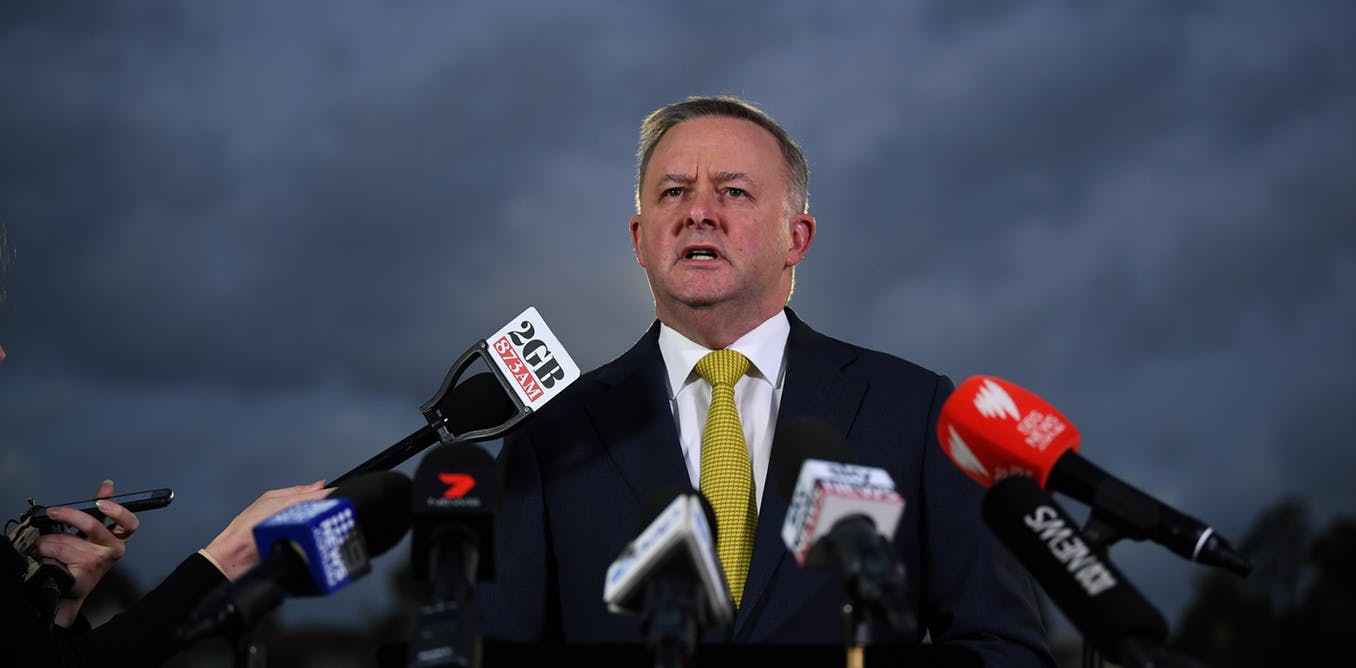
Australian Prime Minister Anthony Albanese kicked off his re-election campaign by emphasizing Labor’s commitment to affordable healthcare, spotlighting Medicare as a key election issue. The May 3 general election is expected to center on the rising cost of living, with Labor and the opposition Liberal-National coalition running neck-and-neck in polls.
On Saturday, Albanese campaigned in Brisbane, highlighting Labor’s recent A$8.5 billion ($5.3 billion) investment in Medicare. He described the universal healthcare system, introduced by Labor in 1984, as vital for Australians and contrasted it with the opposition’s focus on fiscal conservatism and border control. “This little card here, your Medicare card, is what is at stake,” he said, reinforcing Labor’s stance on protecting public health services.
Opposition leader Peter Dutton, a former police officer and ex-defence minister, is positioning himself as a strong economic manager. Campaigning in his home state of Queensland, Dutton said, “This election really is about who can manage the economy.” He also proposed cutting permanent migration by 25% to ease the housing crisis and reiterated his longer-term plan to introduce nuclear energy in Australia.
Despite easing inflation and the Reserve Bank’s recent rate cut—the first in five years—Albanese’s approval ratings have slipped, narrowing the gap with Dutton. The Prime Minister warned that a Liberal-National victory could lead to cuts in public programs and the rollback of recently passed tax reforms.
With economic pressures and healthcare access dominating voter concerns, the campaign is shaping up as a showdown between Labor’s social welfare agenda and the opposition’s economic and energy policies. The outcome of the May 3 vote could hinge on which narrative resonates more with Australians navigating cost-of-living challenges.







