


 Nvidia Sets $4M CEO Bonus Target for Fiscal 2027 as AI Demand Drives Revenue Growth
  Domino's Pizza UK Reports 15% Drop in Annual Profit Amid Weak Sales and Rising Costs
  BYD Launches Next-Generation Blade Battery With 1,000 km Range as EV Competition Intensifies
  SoftBank Seeks Up to $40 Billion Loan to Fund Major Investment in OpenAI
  Chinese Electric Freight Trucks Are Disrupting Europe's Market in 2026
  Yann LeCun's AI Startup AMI Raises $1 Billion at $3.5 Billion Valuation
  Amazon Website Outage Disrupts Thousands of U.S. Shoppers Before Services Recover
  Pentagon Labels Anthropic AI a Supply-Chain Risk, Restricting Use in U.S. Military Projects
  California Court Rejects xAI Bid to Block AI Data Transparency Law
  FDA Biologics Chief Vinay Prasad to Leave Agency in April Amid Policy Disputes
  Goldman Sachs Offers Hedge Funds Tools to Short AI-Threatened Corporate Loans
  Inspire Brands IPO Could Raise $2 Billion as Roark Capital Explores Public Listing
  Lindt Posts Record CHF 5.92 Billion in Sales for 2025, Doubles Share Buyback Program
  Trump Administration Proposes Tough AI Contract Rules as Anthropic Blacklisted by Pentagon
  Shell Signs Oil and Gas Agreements With Venezuela to Advance Dragon Gas Project
  Chinese AI Stocks Surge as Tencent, MiniMax, and Zhipu Launch Agentic AI Programs
  Renault's 2030 Global Growth Strategy: New Models, EV Expansion, and International Ambitions


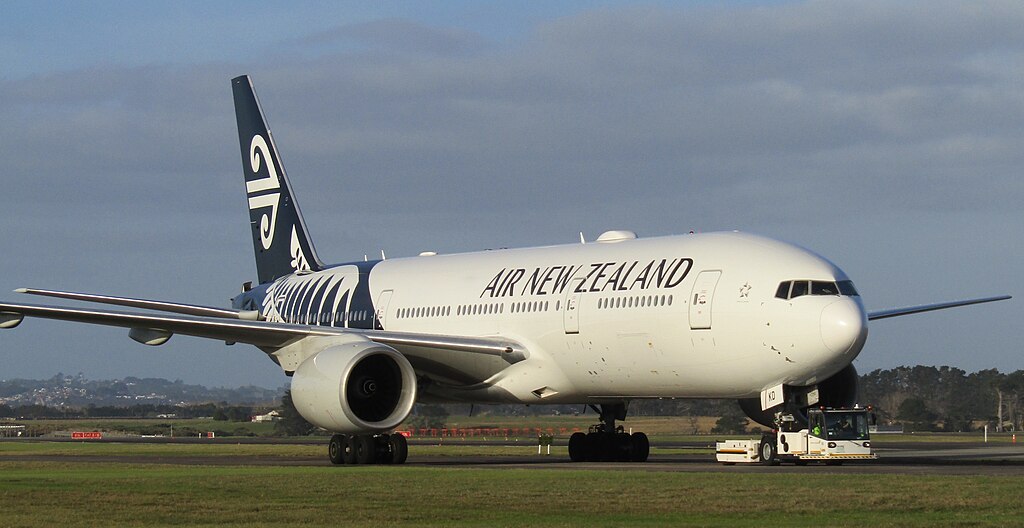
Air New Zealand has announced fare increases across its network following a dramatic surge in jet fuel costs triggered by the U.S.-Israeli war on Iran. The New Zealand flag carrier confirmed economy fares have risen by NZ$10 on domestic routes, NZ$20 on short-haul international flights, and NZ$90 on long-haul services, making it one of the first airlines globally to implement broad ticket price hikes since the conflict began.
Jet fuel prices, which hovered between $85 and $90 per barrel before hostilities broke out, skyrocketed to between $150 and $200 per barrel within days. The airline has suspended its 2026 financial outlook, citing uncertainty surrounding the ongoing conflict. Should elevated fuel costs persist, Air New Zealand warned further pricing action and potential schedule adjustments may follow.
The ripple effects are being felt across the global aviation industry. Vietnam Airlines has urged local authorities to waive environmental fuel taxes as Vietnamese carriers face operating cost increases of 60% to 70%. Meanwhile, airspace closures are forcing pilots to reroute around the Middle East, squeezing capacity on key Asia-Europe corridors and driving ticket prices sharply higher on those routes.
Some relief emerged after U.S. President Donald Trump signaled the war could end soon, pushing oil prices back down to around $90 per barrel from a Monday peak of $119. Airline stocks partially recovered in response, with Air New Zealand gaining 2%, Korean Air Lines rising 6%, and Qantas and Japan Airlines each posting modest gains after steep prior-day losses.
With fuel typically representing 20% to 25% of airline operating costs, sustained high oil prices pose serious risks ahead of peak summer travel season. Tourism-dependent economies are already counting the cost, with Thailand projecting losses of nearly $1.3 billion in revenue if the conflict extends beyond eight weeks.













