


 Oil Prices Ease as Iran Tensions Clash With Diplomacy Hopes
  Wall Street Falls as Treasury Yields Surge, Oil Rebounds on Iran Tensions
  Jeff Bezos Invests $32 Billion in Blue Origin as Space Firm Targets Major Growth
  Fed Unveils Stablecoin Rules Under GENIUS Act
  Trump, Xi Focus on Trade and AI at White House Summit
  China’s ‘Lipstick King’ Says AI Won’t Replace Livestream Hosts
  U.S. Dollar Hits Two-Month High as Oil, Treasury Yields Surge
  Novo Nordisk Strikes €1.17 Billion Nanexa Drug Delivery Deal
  Gold Holds Near $4,275 as Rising Treasury Yields Fuel Fed Rate Hike Bets
  US 10-Year Treasury Yield at 6% Emerges as New Market Risk Threshold
  Tencent Launches TenPayGo Payment App for Foreign Tourists in China
  U.S. 10-Year Treasury Yield Hits 2007 High as Fed Rate Hike Bets Rise
  US, China Extend Trade Truce to Jan. 10 Ahead of Trump-Xi Summit
  Oil Prices Surge as U.S.-Iran Diplomacy Hopes Fade
  Oracle Shares Fall as New Mexico AI Data Center Faces Power Delays
  Mexico-US Trade Talks Delayed to October as Tariff Negotiations Continue
  Costco Revenue Beats Estimates as Inflation Drives Bulk Shopping


 Add as a preferred source on Google
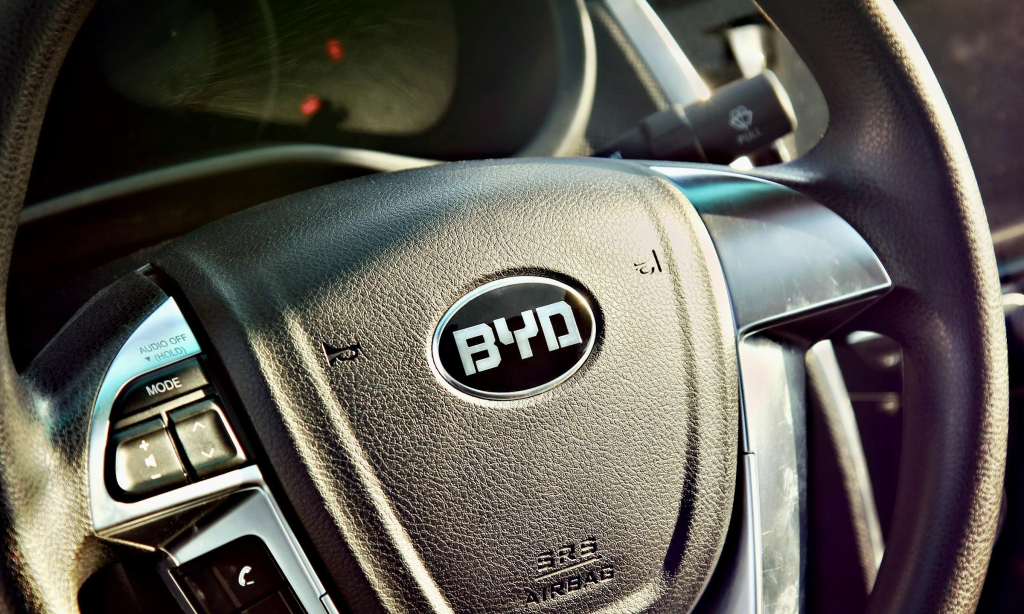
A wave of Chinese electric freight trucks is entering Europe in 2026, bringing advanced technology and competitive pricing that could reshape the continent's commercial vehicle landscape. Reuters has identified over half a dozen Chinese manufacturers planning European heavy truck launches this year, including BYD, Geely's Farizon, Sany, Sinotruk, Windrose, and SuperPanther.
These manufacturers are targeting prices roughly 30% below Europe's average of €320,000 for heavy trucks — a significant advantage rooted in China's dominant zero-emission trucking market, where electric heavy-duty vehicles already represent 29% of all sales. That scale, combined with a lower-cost EV supply chain, gives Chinese brands a structural cost edge that European competitors are struggling to match.
Electric trucks currently represent just 4.2% of EU truck sales, up from 2.3% in 2024, but growth remains constrained by premium pricing. Diesel trucks average around €100,000, making the transition expensive for fleet operators. Chinese entrants aim to close that gap and accelerate adoption across the continent.
European legacy brands — including Daimler Trucks, Volvo Group, Iveco, and Traton's MAN and Scania — maintain strong customer loyalty, but affordability concerns are prompting fleet managers to take Chinese alternatives seriously. Volvo Group CEO Martin Lundstedt acknowledged the threat directly, describing Chinese rivals as "speedy, innovative, decisive and committed."
Industry groups are lobbying the European Commission for protective measures, including zero-emission freight mandates, toll reductions, and subsidies tied to local production. The urgency is real — a Dutch subsidy program worth $95 million was fully subscribed within a single day, signaling powerful pent-up demand.
Chinese manufacturers are also investing in European infrastructure — assembly plants in Hungary and Austria, along with service networks — to overcome buyer hesitancy. Analysts note that Chinese EV technology may currently lead European rivals by as much as three years, giving new entrants a window to capture significant market share before incumbents can fully respond.







