


 Meta CEO Zuckerberg Backs Independent AI Safety Reviews Over Development Slowdown
  Vietnam, US Trade Deal Could Be Signed Soon, To Lam Says
  Nvidia CEO Jensen Huang Expected at Trump-Xi State Dinner
  Trump Plans Federal AI Force and AI Czar
  Australia Unemployment Hits Five-Year High Despite Strong Jobs Growth
  Gold Prices Rise as Oil Slide Eases Fed Rate Hike Fears
  Asian Currencies Muted as Dollar Firms Ahead of Trump-Xi Summit
  SpaceX Nasdaq 100 Weight to More Than Double in Rebalance
  Meta Unveils Muse Charm AI Device, Expands Smart Glasses Lineup
  Asian Stocks Fall as Bond Yields Surge Ahead of Trump-Xi Summit
  Oil Prices Ease as Iran Tensions Clash With Diplomacy Hopes
  Tencent Launches TenPayGo Payment App for Foreign Tourists in China
  Meta Connect Spotlights Camera-Free Smart Glasses Amid Privacy Concerns
  Asian Stocks Mixed Ahead of Trump-Xi Meeting
  Guterres Urges Stronger Global AI Safeguards Ahead of UN Assembly
  SK Hynix, Intel Discuss U.S. Memory Chip Production Deal
  Mexico-US Trade Talks Delayed to October as Tariff Negotiations Continue


 Add as a preferred source on Google
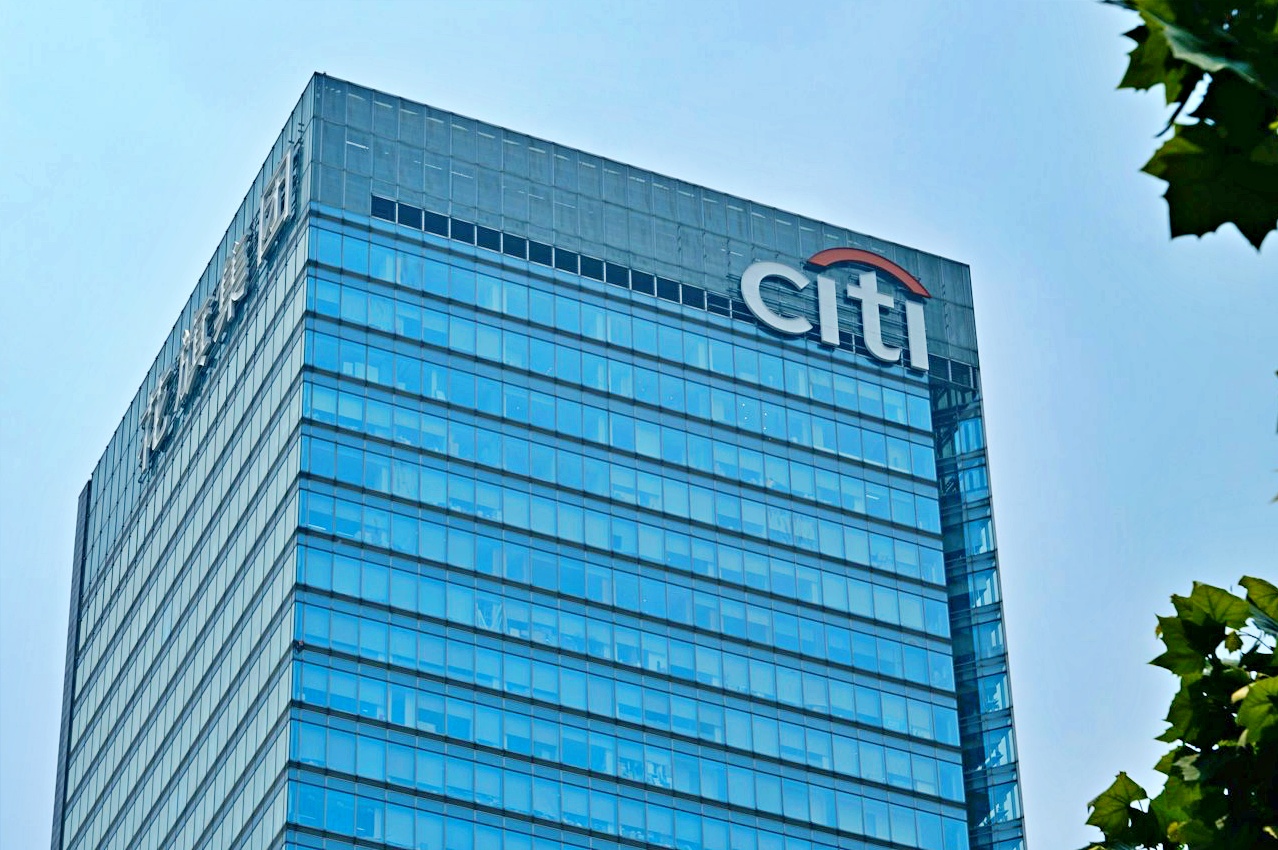
Artificial intelligence is helping banks like Goldman Sachs and BMO slash task times and free up creative potential. However, industry leaders revealed at the Reuters Next conference that despite the efficiency boom, AI has yet to prove itself as a revenue generator.
AI Predicted to Revolutionize Banking Efficiency
Panelists at the New York-based Reuters Next conference predicted that artificial intelligence will significantly increase banks' efficiency; however, they also noted that the technology has proven to be more difficult to monetize thus far.
Large financial institutions have been experimenting with artificial intelligence (AI) virtual assistants for customers and implementing HR, compliance, and finance technologies for staff members, all while attempting to build wealth management products.
During Tuesday's Reuters Conference, David Solomon, chief executive officer of Goldman Sachs, said that coding and other areas might benefit from the use of machine learning and AI.
"We have 11,000 engineers. We do an enormous amount of coding," Solomon stated. "If we can increase with these tools their coding productivity by 20 or 30%, it's a huge tailwind for us."
Goldman Sachs and BNY Push AI Innovations
At the same conference, BNY CEO Robin Vince announced that the bank, like other US banks, is investing in AI tools.
"We have thousands of people at BNY who are now enabled to be able to build and commission agents to be able to help them with their daily tasks," added Vince.
Having said that, AI has not yet contributed to financial firms' bottom lines. The head of artificial intelligence and data at BMO Financial Group told the conference on Wednesday that banks should still specify their specific uses for the technology.
Revenue Challenges Persist Despite AI Advancements
"The hype cycle brought a lot of positive attention to this space. I am chief AI officer now because there was a little bit of a hype cycle," stated Kristin Milchanowski, who was appointed to the position in October at BMO, one of the biggest banks in Canada.
"I do believe that people thought it was going to impact the revenue or have a cost takeout different from what the effect actually has been," Milchanowski pointed out, "We're not seeing revenue-generating activity."
One area where AI has been particularly effective is in the reduction of report production time. For example, at BMO, the equity teams used to spend almost four hours a day on this task, but now they only spend less than one. This frees up the analysts' time for more creative work, Investing.com explains.
Future AI Use Cases for Banks
Milchanowski chimed on, saying that it will be crucial to zero down on particular AI use cases going forward, and he mentioned ways the technology may improve trade optimization and customer acquisition.







