


 Meta Agrees to $18 Billion Settlement, Tightens Teen Social Media Rules
  OpenAI Data Center Chief Chris Malone Exits Ahead of Planned 2027 Listing
  Toyota Global Sales Fall as China Demand Slumps
  Shein Hong Kong IPO to Raise $1.7 Billion at $26.5 Billion Valuation
  U.S. Probes Apex Logistics Over Nvidia AI Chip Shipments to China
  Nvidia Revenue Soars 106% as AI Demand Hits ‘Inflection Point’
  Yindjibarndi Appeals Fortescue Mining Compensation Ruling
  Nvidia Pauses AI Cloud Financing Deals Amid Antitrust Concerns
  PayPal Shares Sink as $50 Billion Takeover Bid Collapses
  Nvidia Reportedly Eyes $13 Billion Hugging Face Acquisition
  Countries Tighten Social Media Bans for Children
  Honda, Nissan Eye Shared Vehicle Software Platform by 2029
  Trump Administration Plans New Drug Pricing Deals With Biotech Firms
  Street Poller Media and The Boom of the Street Interview Ad Industry
  SoftBank Plans Record $6.3 Billion Bond Sale to Fund OpenAI Investments


 Add as a preferred source on Google
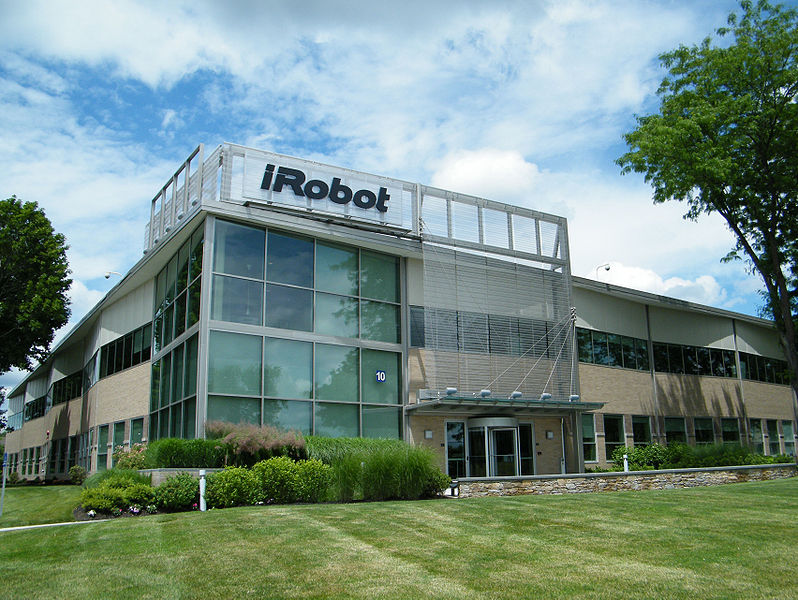
iRobot, the company behind the popular Roomba robotic vacuum cleaner, has filed for Chapter 11 bankruptcy protection in the United States as it prepares to go private through an acquisition by Picea Robotics, its primary manufacturing partner. The filing was made in Delaware bankruptcy court after months of financial strain caused by intense market competition, higher operating costs, and new U.S. trade tariffs.
The Bedford, Massachusetts–based robotics company previously warned in March that its ability to continue operating was at risk. While iRobot generated approximately $682 million in revenue in 2024, profitability has steadily declined. The company has faced growing pressure from lower-priced robotic vacuum competitors, particularly Chinese brands such as Ecovacs Robotics, which have gained global traction by offering similar features at reduced prices.
Despite maintaining a strong market position, including an estimated 42% share of the U.S. robotic vacuum market and about 65% in Japan, iRobot has been forced to lower prices and invest heavily in product innovation to remain competitive. These efforts, combined with external cost pressures, have further strained its finances.
One of the most significant challenges has come from new U.S. tariffs, especially a 46% levy on imports from Vietnam, where iRobot manufactures vacuum cleaners for the U.S. market. According to court filings, these tariffs added roughly $23 million in costs in 2025 and created uncertainty around long-term planning.
iRobot currently carries about $190 million in debt, largely stemming from a 2023 loan used to refinance operations while a proposed $1.4 billion acquisition by Amazon was under regulatory review in Europe. After the Amazon deal collapsed, iRobot fell behind on payments to Picea, which subsequently acquired the company’s debt from investment funds managed by the Carlyle Group.
Under the bankruptcy plan, Picea Robotics will assume full ownership of iRobot, cancel the $190 million loan balance, and forgive an additional $74 million owed under manufacturing agreements. Other creditors and suppliers are expected to be paid in full. iRobot has stated that the bankruptcy process will not disrupt product support, app services, customer programs, or global partnerships.
Founded in 1990 by three MIT roboticists, iRobot shifted from defense and space robotics to consumer products with the launch of the Roomba in 2002. Once valued at $3.56 billion during the pandemic-driven demand surge in 2021, the company’s valuation has fallen to around $140 million. iRobot currently employs 274 people and says it remains focused on supporting customers as it restructures.







