


 U.S.-India Trade Framework Signals Major Shift in Tariffs, Energy, and Supply Chains
  Global Markets Slide as AI, Crypto, and Precious Metals Face Heightened Volatility
  Yen Slides as Japan Election Boosts Fiscal Stimulus Expectations
  India–U.S. Interim Trade Pact Cuts Auto Tariffs but Leaves Tesla Out
  Hims & Hers Halts Compounded Semaglutide Pill After FDA Warning
  Uber Ordered to Pay $8.5 Million in Bellwether Sexual Assault Lawsuit
  Indian Refiners Scale Back Russian Oil Imports as U.S.-India Trade Deal Advances
  Bank of Japan Signals Readiness for Near-Term Rate Hike as Inflation Nears Target
  China Extends Gold Buying Streak as Reserves Surge Despite Volatile Prices
  Australian Pension Funds Boost Currency Hedging as Aussie Dollar Strengthens
  American Airlines CEO to Meet Pilots Union Amid Storm Response and Financial Concerns
  Oil Prices Slip as U.S.-Iran Talks Ease Middle East Tensions
  Asian Markets Surge as Japan Election, Fed Rate Cut Bets, and Tech Rally Lift Global Sentiment
  Trump’s Inflation Claims Clash With Voters’ Cost-of-Living Reality
  Sony Q3 Profit Jumps on Gaming and Image Sensors, Full-Year Outlook Raised
  Once Upon a Farm Raises Nearly $198 Million in IPO, Valued at Over $724 Million
  Trump Lifts 25% Tariff on Indian Goods in Strategic U.S.–India Trade and Energy Deal


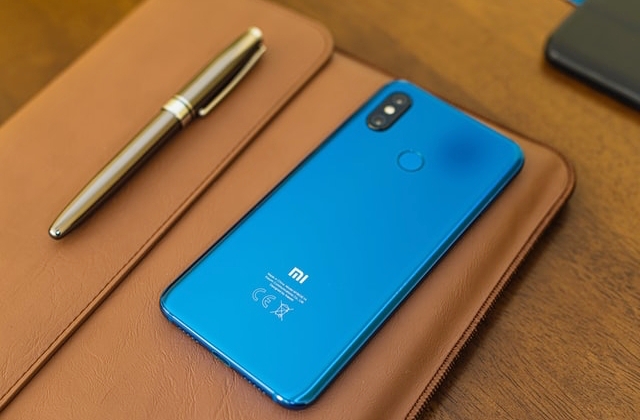
Xiaomi Corp. is gearing up to sell its own electric cars, and the company revealed the schedule for mass production was earlier than expected. The Chinese smartphone maker will start the mass production of its EVs in the first two quarters of the year 2024.
According to Reuters, the said year will mark the next major step for the company's budding electric vehicle (EV) business unit, which Xiaomi officially announced earlier this year and formally registered in late August.
It was in March when the company revealed it would be investing $10 billion to set up its electric car business in the next ten years. By early September, the company shared that Xiaomi EV already had 300 employees, and this unit is also being led by Xiaomi's founder and chief executive officer, Lei Jun.
The firm is still expected to hire more people as it ramps up its EV business for the planned mass productions. It was reported that it has yet to be revealed if Xiaomi plans to team up with an existing automaker or it will be producing the electric vehicles single-handedly.
The firm’s CEO also announced the plans for mass production via social media on Tuesday, Oct. 19. and it was said that Xiaomi’s international marketing department director, Zang Ziyuan, also confirmed the news through a post on the Chinese social media site, Weibo.
Xiaomi EV is ahead of schedule. Aiming for mass production in 2024 H1. pic.twitter.com/DKXHdXty2Y
— leijun (@leijun) October 19, 2021
At any rate, CNBC reported that Xiaomi’s shares increased by five percent after the news of its electric car mass production was reported. The firm’s stakes in Hong Kong went over five percent, and this could be a good sign for its new EV business.
With Xiaomi’s entrance into the EV market, China has now become an even more crowded nation for this line of business. There have been many companies venturing in this side of the industry, and even the country’s web search company, Baidu, has also joined the game after establishing its independent EV firm in January.
Meanwhile, once Xiaomi releases its electric vehicle lineup, it will immediately face competition with other Chinese brands, including Xpeng and Nio. It will also be competing with bigger names such as BYD and Elon Musk’s Tesla.













