


 U.S. Probes Apex Logistics Over Nvidia AI Chip Shipments to China
  New Zealand Labour Backs Social Media Ban for Under-16s
  PayPal Shares Sink as $50 Billion Takeover Bid Collapses
  Nvidia Pauses AI Cloud Financing Deals Amid Antitrust Concerns
  Meta Agrees to $18 Billion Settlement, Tightens Teen Social Media Rules
  The Realist’s Case: Lukas Kerrebijn of RD Dubai on the Narrative Dubai’s Agents Won’t Question
  SoftBank Eyes $20 Billion Bond Sale to Refinance OpenAI Loan
  Trump Buys SpaceX Shares After Record IPO
  Alibaba Raises $10.2 Billion to Expand AI Infrastructure
  Toyota Global Sales Fall as China Demand Slumps
  Honda, Nissan Eye Shared Vehicle Software Platform by 2029
  GM Plans C$1.1 Billion Canada Investment Amid U.S. Tariff Pressure
  SK Biopharmaceuticals Secures Global Rights to Biohaven Epilepsy Drug Opakalim
  Itochu Offers $1.56 Billion to Privatize Dentsu Soken
  Google Changes EU Spam Policy Amid Antitrust Scrutiny
  Nvidia Reportedly Eyes $13 Billion Hugging Face Acquisition
  BofA Names ASML Top Semiconductor Equipment Pick on Growth, Valuation


 Add as a preferred source on Google
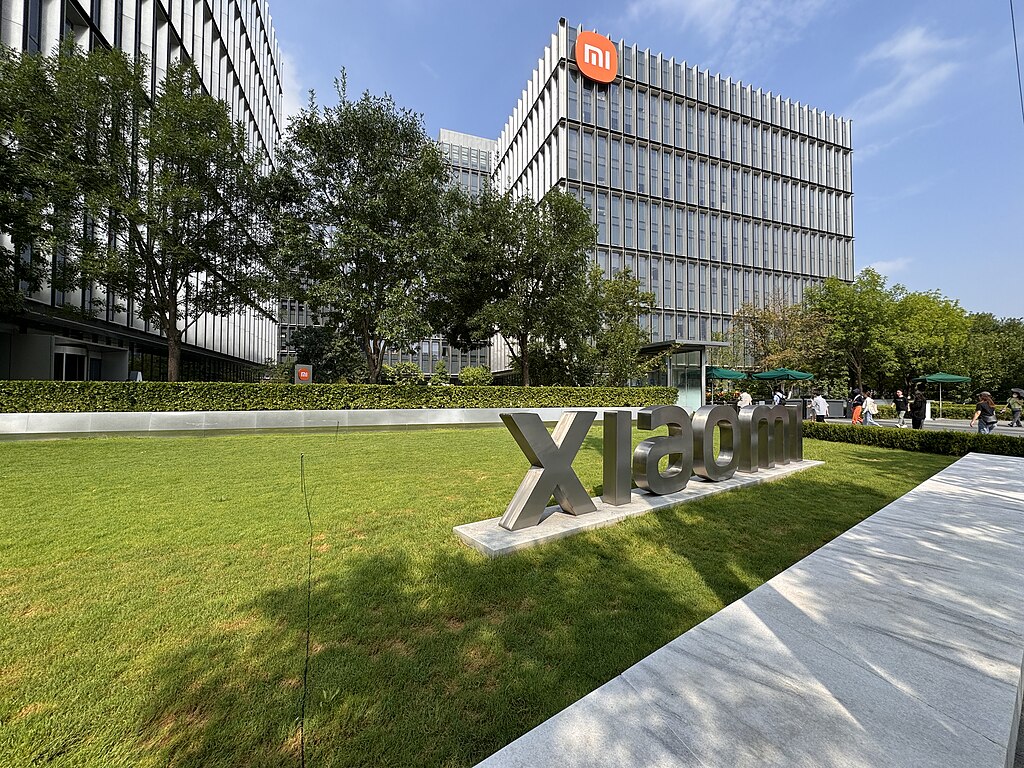
Xiaomi Corp (HK:1810) launched its first open-source large language model, MiMo, on Wednesday, marking its official entry into the competitive artificial intelligence space. The debut sent Xiaomi’s Hong Kong-listed shares up nearly 5% to HK$50.0, offering a modest boost to the Hang Seng Index.
MiMo is engineered for advanced reasoning tasks, positioning it as a direct rival to other cutting-edge models like DeepSeek’s R1. Xiaomi claims MiMo outperformed OpenAI’s o1-mini and Alibaba’s QwQ-32B-Preview in mathematical reasoning and coding benchmarks. The company emphasized that, using the same reinforcement learning data as DeepSeek-R1, MiMo demonstrated superior capabilities in mathematics and programming.
The move underscores Xiaomi’s push to diversify beyond its traditional smartphones and consumer electronics business. Alongside its expansion into electric vehicles with the SU7 lineup, Xiaomi is now aiming to capture a slice of the fast-growing AI market. While it already operates AI services under the Xiaomi HyperAI brand, those are currently powered by Google’s Gemini AI through an existing partnership.
The launch of MiMo places Xiaomi among a growing list of Chinese tech giants—including Alibaba, ByteDance, and DeepSeek—competing for dominance in domestic AI development. The surge in innovation follows DeepSeek’s earlier release of its R1 model, which sparked a new wave of AI research in China, despite ongoing U.S. export restrictions on advanced chips.
With MiMo, Xiaomi signals its intent to become a serious player in the AI space, leveraging open-source innovation to gain traction. The company’s strategic move aligns with a broader shift among Chinese firms toward AI-driven growth, amid rising global demand for intelligent computing tools.







