


 Asian Currencies Stay Range-Bound as Investors Eye China Data, RBNZ Outlook and U.S.-Iran Ceasefire
  Taiwan Coast Guard Officer Finds Strength in Faith as China Increases Pressure in Taiwan Strait
  Oil Prices Slip as U.S.-Iran Peace Talks and Strait of Hormuz Risks Keep Markets on Edge
  Economic pessimism has set in – but there are reasons for Australians to be hopeful
  Trump Questions Housing Bill as He Prioritizes SAVE America Act
  Israeli Airstrike Kills Three in Central Gaza Despite Ceasefire
  Andy Burnham Sets Out Vision to Decentralize Britain as Labour Leadership Race Begins
  Supreme Court Backs Lisa Cook, Defends Federal Reserve Independence Against Trump Firing Attempt
  Russian Attacks Kill Four in Ukraine as Zaporizhzhia and Kharkiv Come Under Fire
  US Stock Futures Rise as US-Iran Ceasefire Hopes Boost Market Sentiment
  Trump Threatens 100% Tariffs on Countries Imposing Digital Services Taxes on U.S. Tech Firms
  Argentina Economy Shrinks 1.5% in April, Recovery Under Milei Loses Momentum
  Global Financial Firms Shift Asia Expansion Focus to South Korea as China, India Face Caution
  Trump Suspends Some Morocco Fertilizer Tariffs to Ease U.S. Supply Shortage
  China Manufacturing PMI Edges Higher in June as Exports and AI Investment Boost Growth
  Iran Launches Drone Attack on Bahrain After U.S. Strikes, Strait of Hormuz Tensions Escalate
  World Bank Approves $1.1 Billion Emergency Funding for Bangladesh Amid Food and Energy Price Pressures


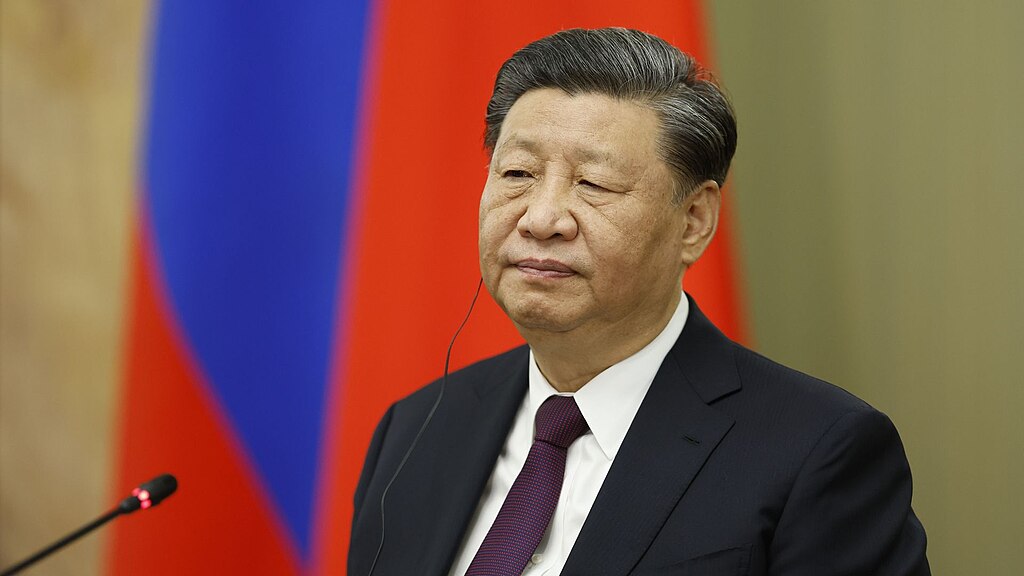
China's President Xi Jinping has outlined a bold strategy to transform the country's service industry, calling for a demand-led approach supported by structural reform and technological innovation. The directive was reported by state media outlet Xinhua following a high-level national service industry conference held in Beijing over two days.
Speaking through an official statement delivered to conference attendees, Xi emphasized the need to cultivate stronger "China service" brands that can compete on a global scale. His vision centers on elevating production-oriented services toward greater specialization and positioning them higher along the global value chain — a clear signal that Beijing views service-sector advancement as central to its long-term economic ambitions.
The conference, which brought together key policymakers and industry stakeholders, reflects growing recognition within China's leadership that the service economy must evolve beyond its current state. Rather than relying solely on manufacturing and exports, China is now actively steering resources and policy attention toward service-based growth as a driver of sustainable development.
Xi's remarks underscore a strategic pivot that aligns with broader goals around economic self-sufficiency and quality-driven growth. By integrating cutting-edge technology with service delivery and pushing for sector-wide reforms, Beijing aims to boost productivity, improve consumer experiences, and establish internationally recognized service brands rooted in Chinese innovation.
This development comes at a time when global competition in the services space is intensifying, with nations racing to capture greater value in areas such as digital services, logistics, finance, and professional consulting. China's renewed focus on this sector signals that it intends to be a dominant force, not just in goods, but in the full spectrum of the modern economy.
The initiative is expected to shape China's economic policy direction in the months ahead, with further reforms likely to follow.







