


 RBI Uses $10 Billion Currency Swaps to Drain Excess Rupee Liquidity
  Yen in Focus as BOJ, Fed Rate Hikes Reshape Currency Markets
  Gold Prices Fall Amid Rate Jitters; Copper Steady as China Stimulus Eyed
  Fed Unveils Stablecoin Rules Under GENIUS Act
  Fed Unveils Stablecoin Rules Under GENIUS Act
  Australia Consumer Confidence Plunges as RBA Rate Hike Hits Households


 Add as a preferred source on Google
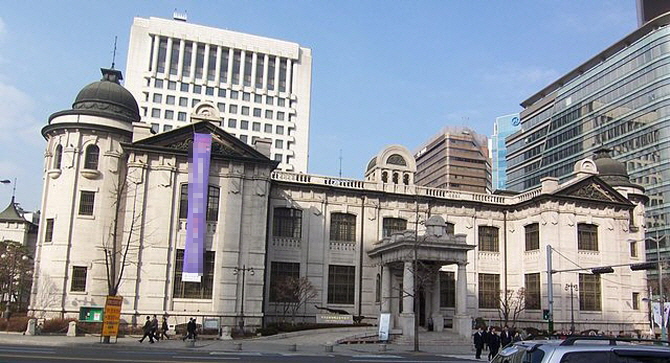
The South Korean Won fell 5.3% against the US dollar year-to-date, emerging as the worst performer among Asian currencies. Geopolitical tension triggered capital outflows from the economy. Global funds have pulled $2.8bn out of South Korean stocks year-to-date, Bloomberg data showed.
Finance Minister Yoo II-ho said earlier that the country is ready to intervene if KRW volatility becomes excessive, with an aim to prevent stresses in the financial markets from spilling over onto the real economy. There are indications that that BoK might have conducted some sort of intervention in the past few days. However, track record suggests that the central bank is not very active in the FX market.
"As long as the overall market conditions remain manageable, we think there is still upside for USD-KRW for the time being." said Commerzbank in a report.







