


 Morgan Stanley Names Top AI Security and Data Center Stocks for 2026
  JPMorgan Sees Biotech Sector at Turning Point, Upgrades Top Pharma Stocks
  Macquarie Names Five Taiwan AI Stocks Set to Benefit From Data Center Growth in 2026
  Cuba needs a long-term solution to its energy crisis
  Gold Cracks Below $4,500 as Safe-Haven Shine Fades; Technical Breakdown Signals Sell-on-Rallies Toward $4,000
  Rice feeds billions of people – but its role in fueling climate change is growing
  Detroit’s high property taxes are driving a housing affordability crisis – how can city leaders bring down costs?
  Global Bond Selloff Pressures Stocks as Rising Oil Prices Fuel Inflation Fears
  Mega IPOs Like SpaceX and OpenAI Could Reshape S&P 500 and Nasdaq 100 Portfolios in 2026
  NHS shakeup: if it sounds like we’ve been here before, it’s because we have


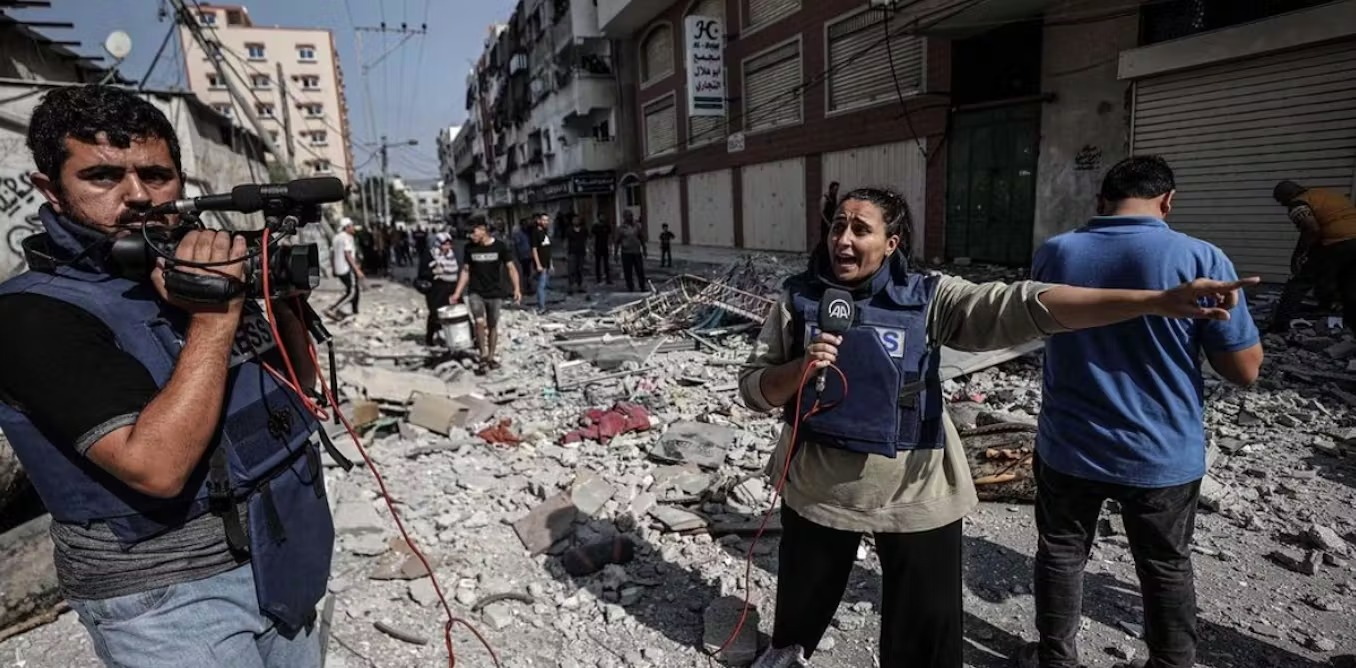

Ever since armed conflict has existed, ceasefires have been thought of as a bridge between war and peace. Consequently, their success has been measured by their ability to stop violence between warring parties for a period of time.
However, ceasefires are not a panacea. This is as true for the Israeli-Palestinian conflict as it is for many other conflicts around the world, like Ukraine, Syria and Sudan. Ceasefires are often just the tip of the iceberg in terms of what needs to be done to provide meaningful, structural security for those most affected by complex systems of violence that transcend times of war.
Since 2007, there have been five major conflicts between Israel, Hamas and other militant groups in Gaza. All of these wars have ended in some sort of ceasefire agreement. Some of these ceasefires have been unilaterally declared, while others have been negotiated and agreed to by the parties to the conflict.
Since the earliest days of the current war between Israel and Hamas, there have been numerous calls and attempts to negotiate a ceasefire. Here’s a timeline of some of the key moments over the past seven months in the search for peace.







