


 US Backs Musk in Fight Against EU’s €120 Million X Fine
  Russian Missile and Drone Attack on Kyiv Kills Two, Damages Maternity Hospital
  Abbas Reaffirms November 28 Palestinian Elections
  Trump, Xi Visit US National Archives After White House Summit
  Judge Orders Trump to Restore White House Access for CNN, MS NOW and Politico
  Netanyahu Defends Israel at UN as Delegates Stage Walkout
  Trump Asks Supreme Court to Restore Third-Country Deportations
  France Defends Netanyahu Airspace Clearance Despite ICC Warrant
  Trump, Xi Focus on Trade and AI at White House Summit
  Netanyahu Takes Aim at Mamdani as Israel Election Nears
  Netanyahu’s Brief US Trip Highlights Strains With Trump
  Yemen Violence Displaces 130,000 as Civilian Toll Rises
  Saudi Arabia, Turkey and Pakistan Plan Urgent Defence Talks Over Houthi Attacks
  Ukrainian Drone Attacks Hit Russian Regions, Injuring at Least 12
  South Korea, US Discuss Warship Building Cooperation
  Ghana Says Western Support Growing for Slave Trade Reparations
  North Korea Rejects Nuclear Test Warning, Calls Nuclear Status Irreversible


 Add as a preferred source on Google
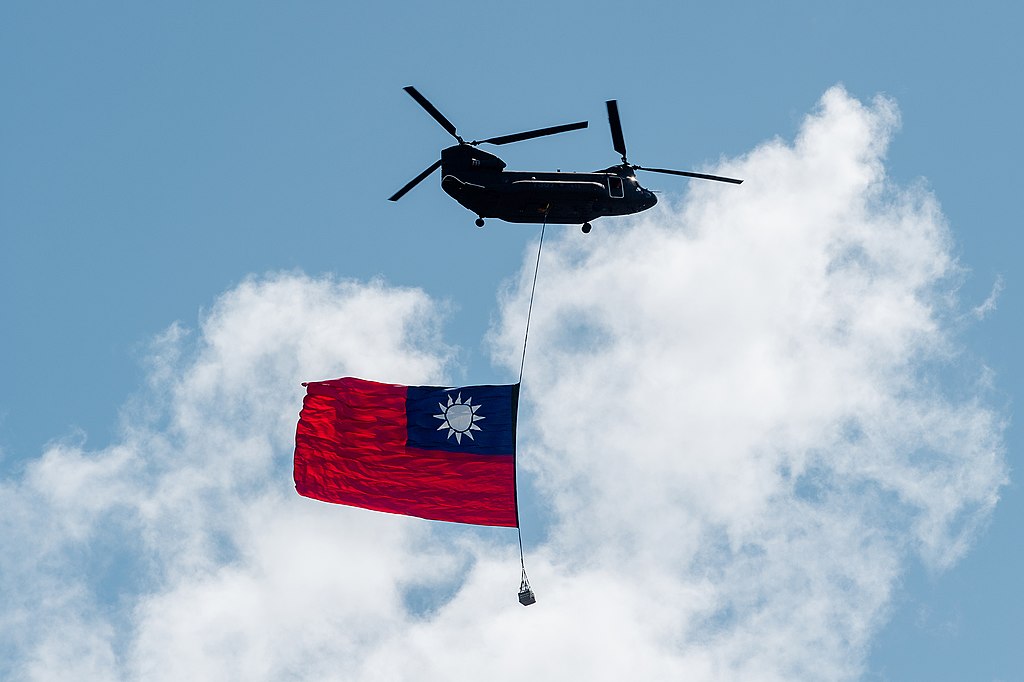
Chinese President Xi Jinping’s call for President Donald Trump to oppose “Taiwan independence” has renewed attention on the complicated political and historical status of Taiwan and the differing positions held by Beijing, Washington and Taipei.
Taiwan’s formal name remains the Republic of China (ROC). The island was governed by Japan from 1895 until 1945, when control passed to the ROC after World War Two. Following its defeat by Mao Zedong’s Communist forces in 1949, the ROC government relocated to Taiwan, while Mao established the People’s Republic of China (PRC) on the mainland.
Beijing considers Taiwan part of China and seeks eventual “reunification.” China has not renounced the use of force and has proposed a “one country, two systems” arrangement, a model Taiwan’s major political parties do not support.
Taiwan, meanwhile, operates with its own elected government, military, currency and passport. President Lai Ching-te’s government maintains that the ROC is a sovereign state, that Taiwan is not part of the PRC and that Beijing has never governed the island. Lai has also said Taiwan’s future should be decided by its people.
The United States switched diplomatic recognition from Taipei to Beijing in 1979 while maintaining unofficial relations with Taiwan. Washington’s longstanding “One China” policy is guided by the Taiwan Relations Act, three U.S.-China Joint Communiques and Six Assurances. The U.S. has said it does not support Taiwan independence, opposes unilateral changes to the status quo and expects cross-Strait disputes to be resolved peacefully.
The Taiwan Relations Act also provides the framework for U.S. support for Taiwan’s self-defense, while the Six Assurances include commitments concerning arms sales and Washington’s relationship with Beijing over Taiwan.
A formal move to replace the Republic of China with a “Republic of Taiwan” would require major constitutional and political steps rather than a unilateral presidential declaration. Taiwan’s current government instead describes the existing ROC system as already sovereign and independent, making the meaning of “Taiwan independence” a central point of disagreement between Taipei and Beijing.







