


 OpenAI AI Agent Swarm Behind Hugging Face Hack
  Xiaomi Unveils Xring O3 Chip for Flagship Foldable Phone
  SK Hynix Shares Fall as Workers Reject Wage Deal
  BofA Names ASML Top Semiconductor Equipment Pick on Growth, Valuation
  SoftBank Eyes $20 Billion Bond Sale to Refinance OpenAI Loan
  PayPal Shares Sink as $50 Billion Takeover Bid Collapses
  Nvidia Revenue Soars 106% as AI Demand Hits ‘Inflection Point’
  HP Stock Drops 9% Despite Q3 Earnings Beat and Raised 2026 Outlook
  Salesforce Shares Surge as AI Demand Powers Q2 Earnings Beat
  New Zealand Moves to Ban Social Media for Children Under 16
  Nvidia Reportedly Eyes $13 Billion Hugging Face Acquisition
  Samsung Shares Tumble 8% as $79 Billion Return Plan Disappoints
  Google Expands Gemini Enterprise With AI Tools for Legal Sector
  Unitree Shares Plunge 45% After Blockbuster IPO, Raising China Tech Bubble Fears
  Meta, U.S. States Discuss Settlement in Teen Addiction Trial
  Pinterest Stock Falls as CFO Julia Brau Donnelly Resigns
  Alibaba Raises $10.2 Billion to Expand AI Infrastructure


 Add as a preferred source on Google
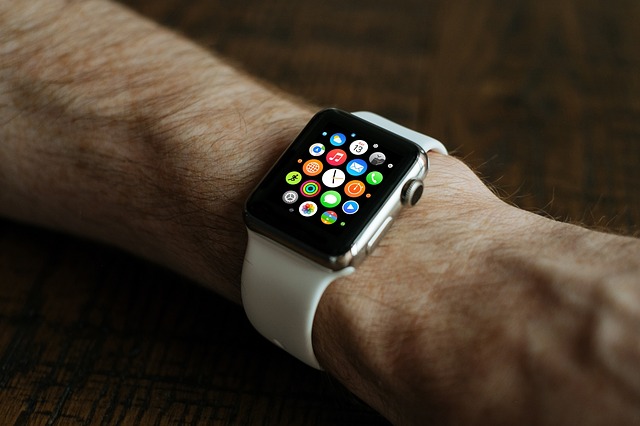
Technology is increasingly becoming focused on improving and simplifying user experience. With the advent of smartphones, more and more services are reaching users through apps. One more step in this direction brings us to wearable technology.
The most common examples in wearables are of course smartwatches and fitness trackers. According to eMarketer, 63.7 million US adults will use smartwatches and fitness trackers in 2016, with penetration among US adults is expected to double by 2018, to 81.7 million users, writes Alex Bray, retail channels director at Misys, in an article on Payments Source.
Further adding to this innovation are banks – according to Misys’ research, 15% of banks already have or are currently rolling out wearable apps. 72% of banks say wearables are on their roadmap for the next three years and 66% say proximity payments are the most attractive capability of wearables.
Bray explains that in the future, merchant’s price and customer’s acceptance will be the only mandatory inputs for a transaction. He says that payments-focused wearable technology will improve customer experience on the basis of two key attributes:
“First, wearables can utilise proximity and geolocation to provide protected and convenient transactions. Second, wearables will be able to use biometrics to authenticate users.”
These attributes will ensure that wearable enabled transactions will be faster and more secure than traditional payment options. Bray explains that while geolocation will help to confirm that a customer is in the correct place for the transaction they are trying to make, confirming a customer’s proximity to the correct smartphone will add an extra layer of confidence about customer’s identity. The biometrics capabilities of wearables are still evolving and could take many forms, for example, a form of vein pattern recognition patented by Apple, finger print scanning etc. These will enable the worn device to authenticate a user at all times, providing excellent security for payments.
“As retailers, consumers and banks become more comfortable with the adoption of new technologies, wearables are likely to sound the death knell for cards as wearable optimized payments will rapidly become a necessity for all financial institutions”, Bray concludes.

- News

- Economy

- Central Banks
- Investing
- Research
- Roundups
- Digital Currency
- Insights
- Technical Analysis
- Technology
- Business
- Law
- Health
- Nature
- Fintech
- Science
- Topic
- Opinions
- ©Econometrics LLC . All Rights Reserved.
Wearable Technology - The Future Of Payments
Tuesday, December 29, 2015 12:27 PM UTC
Editor's Picks



- Market Data
Most Popular




