


 Economic pessimism has set in – but there are reasons for Australians to be hopeful
  Global Financial Firms Shift Asia Expansion Focus to South Korea as China, India Face Caution
  RBA Minutes Signal Australia Central Bank Remains Ready to Raise Interest Rates if Inflation Persists
  Gold Price Hits Annual Low as Fed Rate Hike Bets and Sticky Inflation Weigh on Bullion
  Trump Urges Gasoline Retailers to Cut Prices to $2.50 Per Gallon, Warns of Legal Action
  Oil Prices Rise as US-Iran Tensions Threaten Strait of Hormuz Oil Shipments
  Argentina Economy Shrinks 1.5% in April, Recovery Under Milei Loses Momentum
  US Stock Futures Steady as Investors Await Payrolls Data and Monitor Iran Tensions
  China Sets 1.25% Overnight Reverse Repo Rate Below Market Expectations
  China Factory PMI Seen Returning to Growth in June as AI Export Demand Supports Economy
  Gold Price Ends Lower for Fourth Week Despite Rebound as Fed Rate Hike Bets Strengthen
  China Manufacturing PMI Edges Higher in June as Exports and AI Investment Boost Growth
  Dollar Slips Ahead of Key U.S. Jobs Data as Fed Rate Outlook, ECB, and Iran Talks Shape Forex Markets
  US Dollar Slips After PCE Inflation Data as Fed Rate Hike Expectations Stay Elevated
  Trump Questions Housing Bill as He Prioritizes SAVE America Act
  Gold Prices Drop as Fed Rate Outlook and Iran Tensions Weigh on Market
  China Expands Export Controls, Adds 20 Japanese Companies to Restricted List


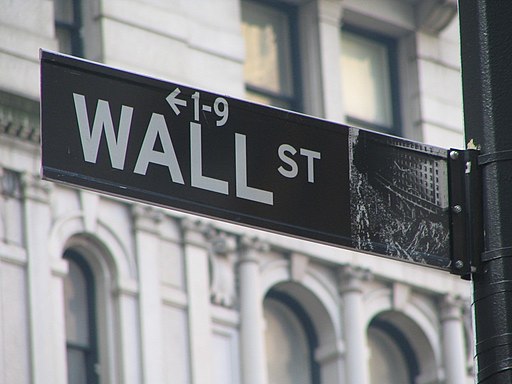
U.S. stock futures traded mostly unchanged on Thursday evening after the S&P 500 and Nasdaq closed at fresh record highs for the second consecutive session. Investor confidence improved following reports that the United States and Iran had reached a draft agreement to extend their ceasefire for another 60 days, easing fears of further disruption in global oil supplies.
S&P 500 Futures rose 0.1% to 7,586.0 points, while Nasdaq 100 Futures remained nearly flat at 30,303.75 points. Dow Jones Futures also showed little movement at 50,733.0 points during late trading hours.
In the regular trading session, the S&P 500 gained 0.6% to close at 7,563.78, while the Nasdaq Composite climbed 0.9% to end at a new all-time high of 26,917.47. The Dow Jones Industrial Average edged slightly higher by 0.1%.
Market sentiment strengthened after Axios reported that U.S. and Iranian officials had agreed on a framework to maintain the ceasefire. The potential deal reduced concerns over instability in the Strait of Hormuz, a critical route for global oil shipments. However, the agreement still requires approval from U.S. President Donald Trump, and Iranian officials stated that negotiations are not yet finalized.
Oil prices declined following the reports, supporting technology and growth stocks that are sensitive to interest rate expectations. Investors continued to favor AI-related technology shares, which remained a major driver behind Wall Street’s strong performance.
Despite the market rally, investors stayed cautious after the latest Personal Consumption Expenditures (PCE) price index showed inflation accelerating at its fastest pace in three years. Rising energy costs linked to Middle East tensions contributed to the increase, reinforcing expectations that the Federal Reserve may keep interest rates higher for longer.
Meanwhile, revised data from the Commerce Department showed U.S. first-quarter GDP growth slowed to an annualized rate of 1.6%, below the previously estimated 2.0%. Treasury yields eased after the weaker economic data, although inflation concerns continue to cloud the outlook for monetary policy and financial markets in 2026.







