


 Asia FX Steady as Iran War Signals and U.S. Inflation Data Weigh on Sentiment
  UK Housing Market Slows Amid Geopolitical Tensions and Mortgage Rate Fears
  ANZ and Westpac Forecast Two RBA Rate Hikes in March and May 2026
  Venezuela Names Paula Henao as New Oil Minister Amid U.S.-Led Industry Overhaul
  Bank of Japan Expected to Hold Rates at 0.75% Before June Hike Amid Middle East War Uncertainty
  Diesel Price Surge Threatens Global Economy Amid Middle East Conflict
  German Exports Drop 2.3% in January, Exceeding Forecast Decline
  Iran-U.S. Oil Tensions Escalate as Revolutionary Guards Threaten Strait of Hormuz Blockade
  China's Trade Surplus Surges Past Forecasts in Early 2026
  U.S. Markets Slip Amid Iran Conflict Uncertainty as Oil Prices Retreat
  U.S. Futures Slide as Oil Prices Surge on Middle East Shipping Attacks
  Asian Currencies Face Pressure as U.S.-Iran Conflict Weighs on Markets
  Dollar Steadies as Traders Await Clarity on U.S.-Israel-Iran War
  Gold Prices Slip as U.S.-Israel-Iran War Fuels Dollar and Oil Demand
  Chinese AI Stocks Surge as Tencent, MiniMax, and Zhipu Launch Agentic AI Programs
  Oil Prices Surge Toward $100/Barrel After Tanker Attacks in Iraqi Waters
  Asian Markets Retreat as Oil Prices Surge Toward $100 Amid Middle East Tensions


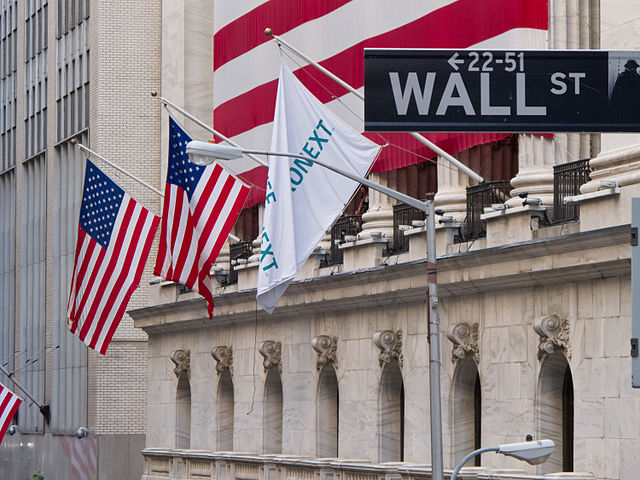
Wall Street futures dropped sharply Sunday night after the United States and Israel launched coordinated strikes on Iran, intensifying geopolitical tensions and triggering a surge in oil prices. The sudden escalation rattled global financial markets, driving investors away from risk-sensitive assets and into safer alternatives.
By 19:05 ET, S&P 500 Futures had fallen nearly 1.1% to 6,815.75, while Nasdaq 100 Futures declined 1% to 24,737.50. Dow Jones Futures also slid 1.1% to 48,447.0. The decline followed a negative session on Friday, when concerns over artificial intelligence disruptions and persistent inflation pressured U.S. stocks.
Reports indicate that the weekend strikes resulted in significant casualties in Iran, including Supreme Leader Ayatollah Ali Khamenei. Iran responded with retaliatory attacks targeting Israel and several Middle Eastern nations, including Bahrain, Qatar, and the United Arab Emirates. The deepening conflict has heightened fears of a broader Middle East war, particularly as diplomatic negotiations over Iran’s nuclear program had recently stalled.
President Donald Trump stated that military operations would continue until all objectives are met, warning of potential additional American casualties following the deaths of three U.S. service members. Investors are increasingly concerned about the risk of prolonged instability in the region.
Oil prices surged amid worries that the Strait of Hormuz, a critical shipping route responsible for nearly 20% of global oil consumption, could face disruptions. Rising crude prices have added inflationary pressure to an already fragile market environment.
Beyond geopolitical risks, Wall Street has been grappling with ongoing uncertainty surrounding AI-related spending, elevated valuations in technology stocks, and stubborn inflation data. The Nasdaq Composite lost more than 3% last month, while the S&P 500 slipped 0.9% and the Dow Jones Industrial Average remained flat. Strong labor market data and persistent inflation have fueled expectations that the Federal Reserve may keep interest rates higher for longer, further dampening investor sentiment.













