


 ANZ and Westpac Forecast Two RBA Rate Hikes in March and May 2026
  U.S. Futures Slide as Oil Prices Surge on Middle East Shipping Attacks
  Oil Prices Surge Toward $100/Barrel After Tanker Attacks in Iraqi Waters
  Asian Currencies Face Pressure as U.S.-Iran Conflict Weighs on Markets
  Asian Stock Markets Rise as Oil Prices Pull Back; U.S. CPI in Focus
  U.S.-Israel War on Iran Sends Crude Oil Prices Surging Amid Strait of Hormuz Tensions
  Diesel Price Surge Threatens Global Economy Amid Middle East Conflict
  U.S. Solar Market Contracts in 2025 as Trump Rolls Back Renewable Energy Incentives
  Nations will release an extra 400 million barrels of oil to the market. All we need to do now is not panic at the pump
  IEA Plans Record Emergency Oil Release Amid Iran Strait of Hormuz Crisis
  Venezuela Names Paula Henao as New Oil Minister Amid U.S.-Led Industry Overhaul
  Iran-Israel War Sparks Global Oil Crisis as Tankers Burn in Gulf Waters
  RBA Rate Decision: Deputy Governor Signals Genuine Debate Ahead of March Meeting
  U.S. Markets Slip Amid Iran Conflict Uncertainty as Oil Prices Retreat
  Gold Prices Climb Above $5,200 as Iran War Uncertainty and Inflation Data Loom
  Bank of Japan Expected to Hold Rates at 0.75% Before June Hike Amid Middle East War Uncertainty
  Asia FX Steady as Iran War Signals and U.S. Inflation Data Weigh on Sentiment


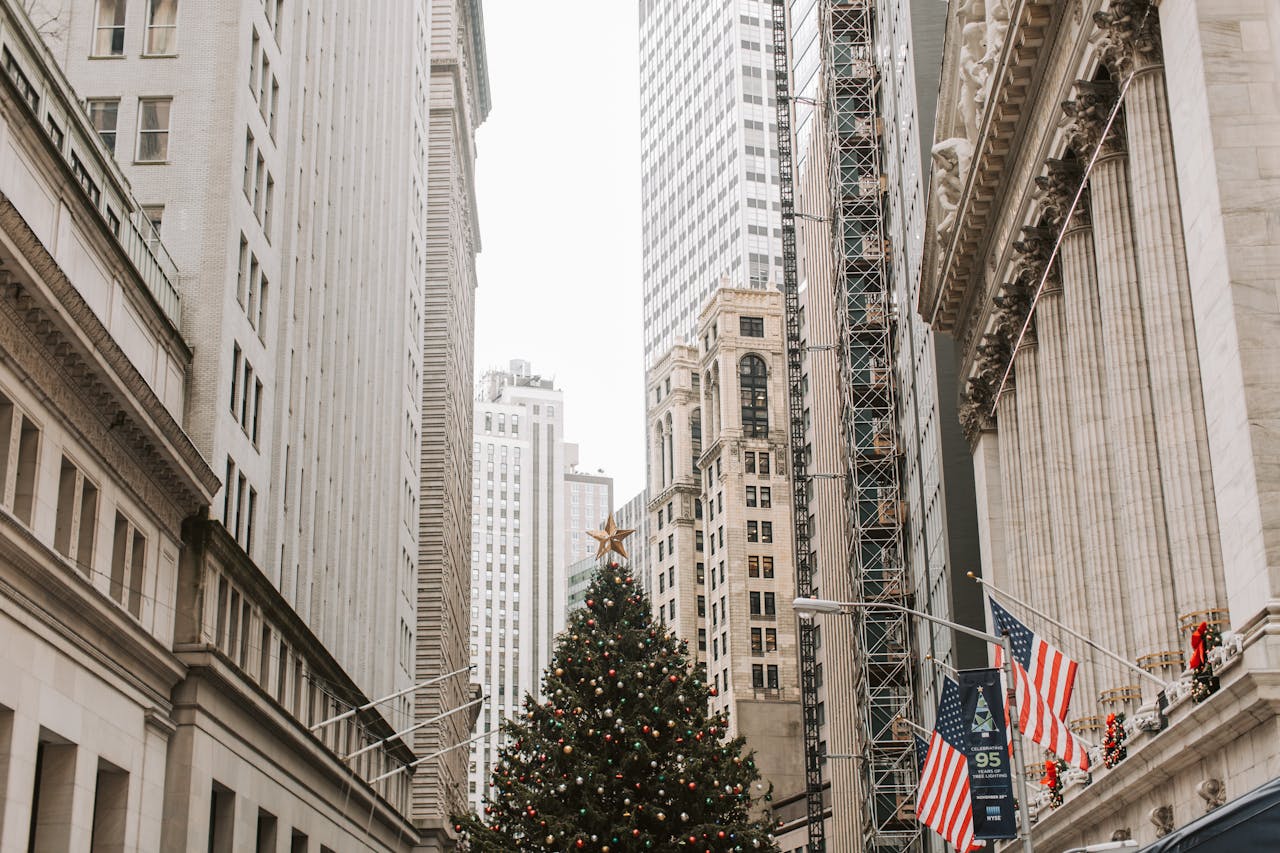
Wall Street finished a light-volume, post-Christmas trading session nearly unchanged on Friday, as investors found little fresh news to drive strong market conviction. After a solid five-session rally, all three major U.S. stock indexes closed slightly lower, marking a pause rather than a reversal, while still securing weekly gains.
Market participants largely attributed the muted movement to holiday-thinned trading and profit-taking following recent strength. According to Ryan Detrick, chief market strategist at Carson Group, the market is simply “catching its breath” after a strong rally. He emphasized that the current period still falls within the traditional “Santa Claus rally,” a seasonal trend where the S&P 500 often rises during the final five trading days of the year and the first two sessions of the new year, a window that runs through January 5. Historically, such rallies are viewed as a positive signal for market performance in the year ahead.
Only three trading days remain in what has been a volatile year for U.S. equities. Investors navigated uncertainty driven by tariff concerns, ongoing geopolitical tensions, and the rapid expansion of artificial intelligence-related stocks. Despite these headwinds, the Dow Jones Industrial Average, S&P 500, and Nasdaq Composite are all on pace to post double-digit percentage gains for the year, led by the tech-heavy Nasdaq.
On Friday, the Dow slipped 0.04% to 48,710.97, the S&P 500 edged down 0.03% to 6,929.94, and the Nasdaq Composite declined 0.09% to 23,593.10. Materials stocks led sector gains, while consumer discretionary shares lagged. Year-to-date, communication services, technology, and industrials remain the strongest-performing sectors, with real estate standing out as the only major sector likely to end the year in negative territory.
Individual stocks also drew attention. Nvidia shares rose after the company agreed to license chip technology from startup Groq, while Target climbed on reports of hedge fund activism. Precious metal miners advanced as gold and silver prices hit record highs.
Overall trading volume remained well below average, reinforcing the view that the market’s slight pullback reflects seasonal calm rather than shifting fundamentals, as investors prepare for the final days of the year and look ahead to 2026.













