


 U.S.-Israel War on Iran Sends Crude Oil Prices Surging Amid Strait of Hormuz Tensions
  After the Iran war, Persian Gulf nations face tough decisions on the US – a former diplomat explains
  U.S. Patriot Missiles Redeployed From South Korea Amid Middle East Conflict
  Boeing Secures $289 Million Smart Bomb Contract With Israel
  Mexico's Electoral Reform Bill Fails in Congress as Coalition Fractures
  Trump Administration Spent $5.6 Billion in Munitions in Opening Days of Iran Strikes
  FBI Warns of Possible Iranian Drone Attacks on California Amid U.S.-Iran War
  Israel-Iran War: Herzog Urges Patience as U.S. and Israeli Strikes Intensify
  Iran-Israel War Sparks Global Oil Crisis as Tankers Burn in Gulf Waters
  IEA Releases Record 400 Million Barrels of Oil Amid U.S.-Iran War
  Russian Drone Strikes Hit Kharkiv and Dnipro, Injuring Over 20 Civilians
  Shots Fired at U.S. Consulate in Toronto in Suspected National Security Incident
  U.S. Senate Greenlights AI Chatbots for Official Staff Use
  Trump-Putin Call Addresses Iran War, Ukraine Peace, and Global Oil Crisis
  U.S. and Russia Hold Diplomatic Talks in Florida Amid Ongoing Tensions
  Japan's BOJ Independence Under Fire as PM Takaichi's Rate Stance Draws Political Heat
  Taiwan's MQ-9B SkyGuardian Drone Order Stays on Schedule Despite Middle East Conflict


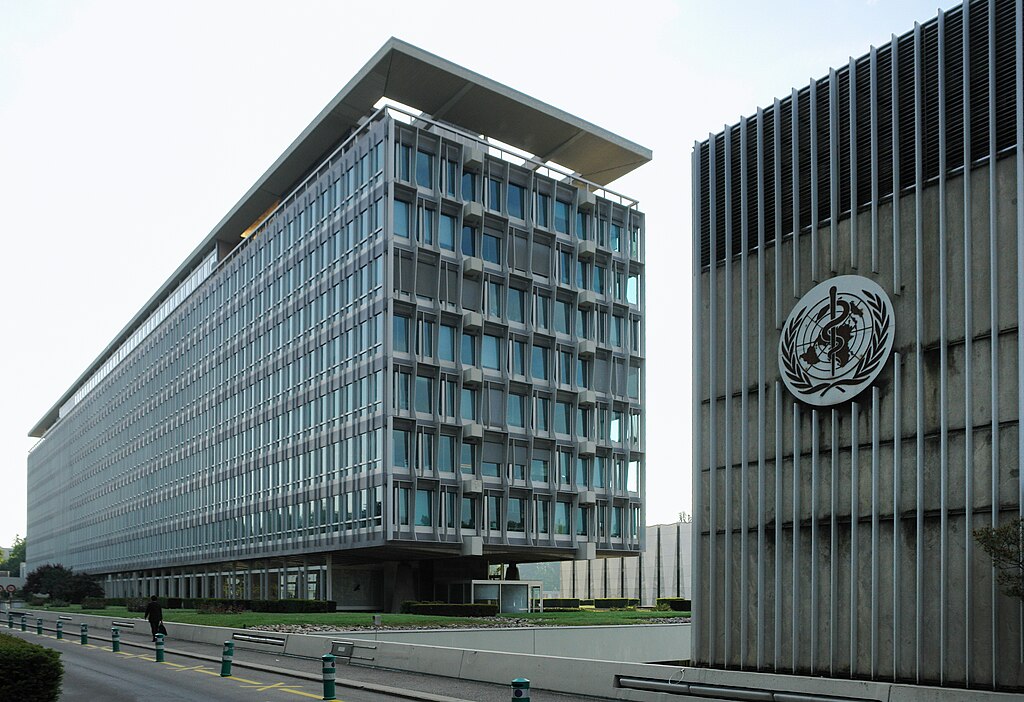
The World Health Organization (WHO) has expressed regret following the official withdrawal of the United States from the United Nations health agency, emphasizing its hope that Washington will resume active participation in the future. The decision marks a significant moment in global public health, as the U.S. formally exited the WHO after a year of repeated warnings that such a move could negatively impact health outcomes both domestically and worldwide.
The withdrawal comes amid long-standing criticism from President Donald Trump’s administration regarding the WHO’s handling of the COVID-19 pandemic. U.S. officials have accused the organization of failing to act independently, alleging that it was influenced by the political interests of certain member states. Trump has also argued that the U.S. was subject to unfair financial obligations, claiming that American contributions to the WHO were disproportionately high compared to those of other countries with larger populations, including China.
Despite these criticisms, the WHO has defended its response to what it described as an “unprecedented global health crisis.” The organization stated that its pandemic response systems, developed and managed before, during, and after the emergency phase of COVID-19, have played a crucial role in protecting global health. According to the WHO, these systems operate around the clock and have contributed to safeguarding all nations, including the United States.
Public health experts have raised concerns that the U.S. withdrawal could weaken international cooperation at a time when coordinated global responses are essential to address health emergencies, infectious disease outbreaks, and future pandemics. The WHO reiterated that global health security depends on collaboration, data sharing, and mutual support among member states.
As the world continues to navigate the long-term effects of the COVID-19 pandemic, the WHO maintains that strong partnerships with countries like the United States are vital. The agency has reaffirmed its commitment to transparency, reform, and continuous improvement, while urging the U.S. to reconsider its decision and rejoin efforts to strengthen global public health systems for the benefit of all.













