


 GameStop Raises eBay Stake to 9.8% as Ryan Cohen Pushes $56 Billion Takeover Bid
  Airbus Signs Cloud Deal With Scaleway to Power Secure AI and Defense Applications
  Moonshot Launches Kimi K3, China's Largest Open-Source AI Model
  Nvidia Partners With Fanuc and Yaskawa to Accelerate AI Robotics in Japan
  Mikron H1 2026 Sales Fall 5.9% as Automation Weakness Weighs on Profit
  Hyundai Takes Full Control of Boston Dynamics to Accelerate Humanoid Robot and AI Strategy
  Apple Intelligence Cleared for China as Alibaba and Baidu AI Power iPhone Features
  Apple Intelligence China Approval Lifts Alibaba and Baidu Shares
  UBS Boosts China Tech Bets, Adds Kuaishou and Meituan to Focus List
  Sam Altman Admits OpenAI Missteps, Promises Major AI Comeback Focused on User Freedom
  Jamie Dimon Warns Anthropic's Mythos AI Poses National Security Risks
  Seven & i Eyes Żabka Stake in Major European Expansion Push
  Netflix Stock Drops After Weak Q3 Outlook Overshadows Mixed Q2 Earnings
  DeepSeek Eyes $74 Billion Valuation Ahead of Planned China IPO
  Uber to Acquire Delivery Hero in $14.8 Billion Deal to Expand Global Food Delivery Business
  PayPal Rejects $53 Billion Stripe-Advent Takeover Offer as Too Low: Report
  United Airlines Beats Q2 Earnings, Raises 2026 Profit Outlook Despite Higher Fuel Costs


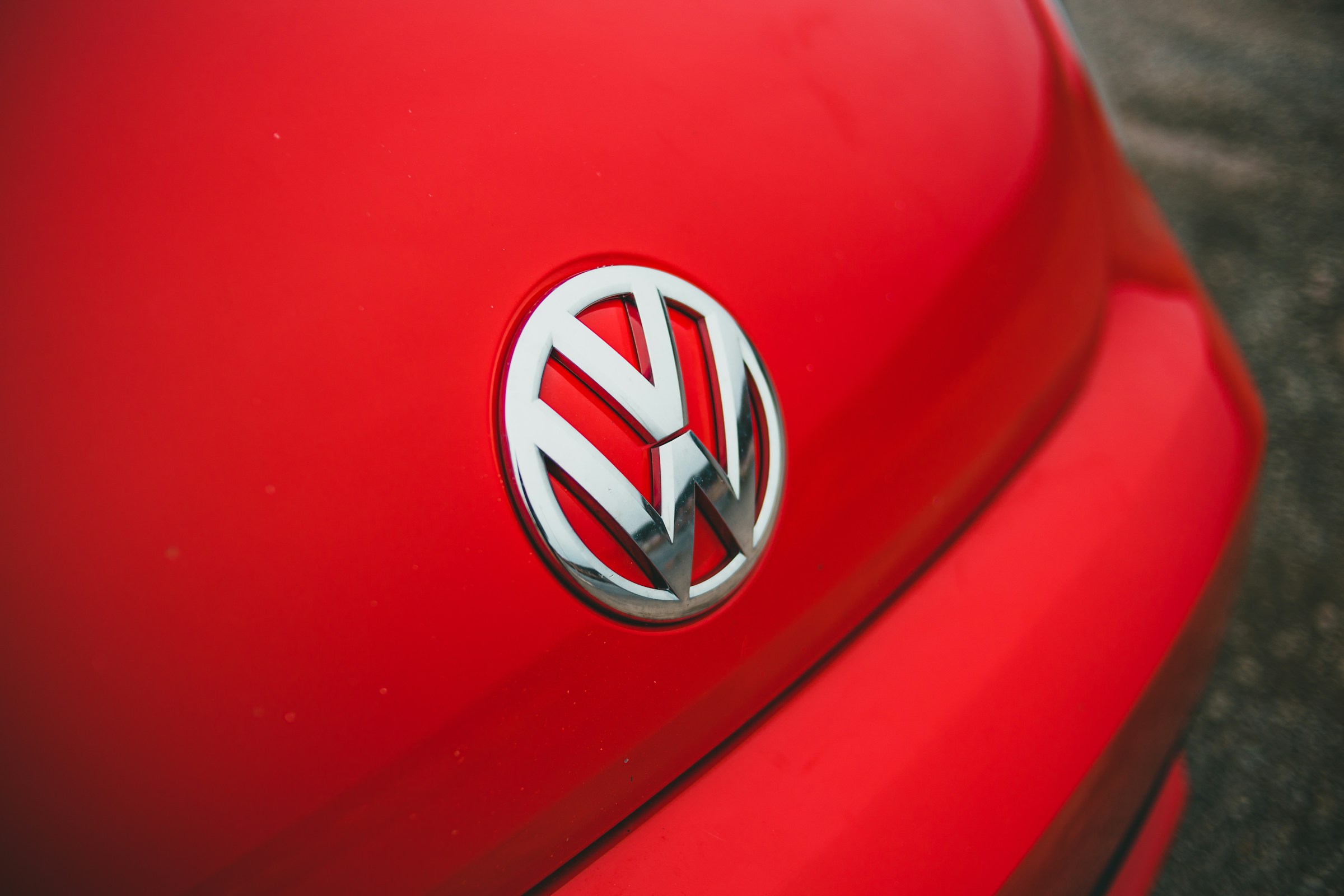
Volkswagen Australia announced its withdrawal from the Federal Chamber of Automotive Industries (FCAI) policymaking committee following Tesla's recent departure. Volkswagen's move is seen as a strategic step to distance itself from the lobby group's stance against proposed new fuel standards.
Policy Advisory Committee Resignation
Reuters reported that in a letter addressed to FCAI members, Volkswagen clarified its decision to resign from the Policy Advisory Committee before an upcoming meeting. The company emphasized its independent stance on public and policy issues, particularly regarding the New Vehicle Efficiency Standard.
The rift within the automotive industry widened when Tesla accused the FCAI of disseminating misinformation and left the group protesting. Polestar's subsequent exit further exemplified this discord, reflecting a deepening divide over the proposed vehicle efficiency standards.
Australia's Green Initiative
Australia's recent proposal of vehicle efficiency standards aims to increase the adoption of electric vehicles and reduce emissions. The standards seek to penalize manufacturers of emissions-intensive models while incentivizing the introduction of cleaner vehicles.
Amidst the push for greener standards, the FCAI has raised concerns that the government's proposal could escalate costs and restrict vehicle options, particularly impacting popular pick-up truck models in the Australian market. Toyota, a prominent pick-up truck and SUV sales player, echoed support for the lobby group's position.
According to Market Screener, Energy Minister Chris Bowen hinted at the government's willingness to consider alternative perspectives, suggesting a potential openness to compromise. Bowen emphasized the importance of evaluating proposals thoughtfully to address concerns raised by industry stakeholders.
Australia's absence of vehicle efficiency standards aligns it with only a few industrialized nations worldwide. The ongoing debate underscores the significance of balancing environmental objectives with industry interests to shape sustainable automotive policies.
The withdrawal of key automakers from the FCAI raises questions about the future dynamics of Australia's automotive industry. The evolving landscape reflects a critical juncture in transitioning towards eco-friendly transportation solutions.
Path to Resolution
With diverging viewpoints between industry players and policymakers, achieving a consensus on vehicle efficiency standards remains a pivotal challenge. The evolving discourse underscores the need for constructive dialogue to navigate towards a sustainable and inclusive automotive future.
Photo: Erik Mclean/Unsplash







