


 Asian Currencies Steady as Markets Await U.S. Jobs Data
  SpaceX Earnings Preview: Bernstein Says 4 Key Factors Will Drive Long-Term Valuation
  Asian Stocks Slip as AI Rally Fades, Oil Holds Steady on Iran Peace Deal Hopes
  Singapore Says One-Third of U.S. Exports Hit by New 12.5% Tariff
  Oil Prices Surge as Iran Hormuz Restrictions Renew Supply Fears
  Canada, US Hold Constructive Trade Talks as Tariff Negotiations Continue
  German Bund Yields Hit Three-Week Low as Energy Prices Ease and ECB Outlook Softens
  Dollar Holds Near Six-Week Low as Yen Loses Momentum Ahead of U.S. Jobs Data
  UK Services PMI Returns to Growth in July as New Orders and Confidence Rebound
  Asian Stocks Mixed as Chip Selloff Hits KOSPI, Nikkei Ahead of US Jobs Data
  Asian Stocks Cautious Ahead of US Jobs Data as Oil Rises
  China Exports Beat July Forecasts as AI Demand Fuels High-Tech Trade



Vital Signs is a new weekly economic wrap from UNSW economics professor and Harvard PhD Richard Holden (@profholden). Vital Signs aims to contextualise weekly economic events and cut through the noise of the data impacting global economies.
This week: China’s GDP growth stalls; IMF downgrades global growth; Australian consumer confidence slumps; US inflation rises marginally.
This week saw the announcement of two important and, it turned out, depressing pieces of economic data. Neither of them concerned Australia directly, but both have big implications for the Australian economy.
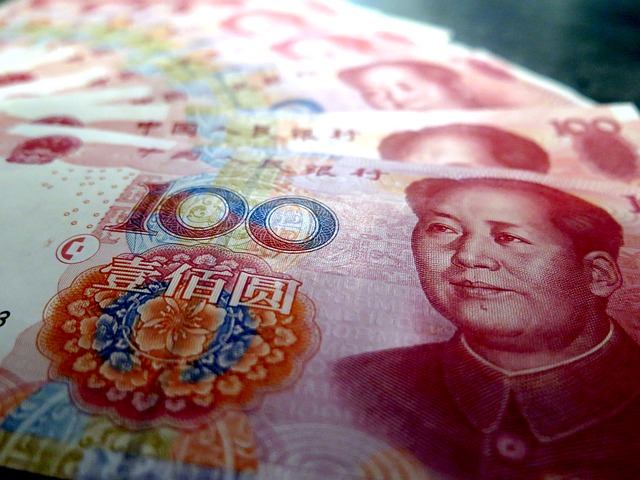
China’s year-on-year GDP growth for the final three months of 2015 was 6.9%. This may sound great compared to the roughly 2.5% delivered by Australia and the United States, but is in fact the lowest rate in China since its massive economic modernisation began a quarter-century ago.
That was followed by the International Monetary Fund’s world economic outlook update which trimmed its forecast of global growth from 3.6% to 3.4% for this year, and similarly for 2017.
The basic reaction reported in the Australian press was along the lines of: “Yes, we knew China couldn’t keep growing so fast forever, but this is worse than we thought. And that’s more bad news for commodity prices and export volumes.”
Bond markets also responded by pricing in a 100% chance of an RBA rate cut by June of this year — which is exactly the rational response to a slowdown in our key export sector.
Ho. Hum.
What got much less attention was the IMF report also forecast that the US economy would grow at only 2.6% in 2016 and 2017, and the eurozone at a sclerotic 1.7%.
This is the truly bad news. It is more evidence that advanced economies are suffering from secular stagnation, an idea that former US Treasury Secretary Larry Summers has been pushing for some time. Essentially, the economic speed limit of advanced economies has nearly halved due to an overabundance of savings chasing too few productive investment opportunities.
Just think of all those billionaires and sovereign wealth funds looking for something to invest in at a time when the US$268 billion market capitalisation of Facebook can be created in a Harvard dorm room with a few thousand dollars and a great idea.
What it means
For Australia this means GDP growth with a 2 in front of it for the foreseeable future.
It also makes two RBA rate cuts this year more likely than one; will put the federal budget under even more strain; and make the sluggish wage growth we have seen likely to continue.
There aren’t too many good answers, but one is to provide all those savings with some productive investment opportunities. The Turnbull government’s plan to develop Australia’s North through loan guarantees — not providing the money itself, but making people believe that others believe private investment will happen — is a good example.
 Richard Holden is an ARC Future Fellow.
Richard Holden, Professor of Economics, UNSW Australia
This article was originally published on The Conversation. Read the original article.







