


 Trump Urges Hall of Fame Induction for Roger Clemens Amid Renewed Debate
  The ghost of Robodebt – Federal Court rules billions of dollars in welfare debts must be recalculated
  US to Review Iran World Cup Travel Restrictions Ahead of Egypt Clash
  ING Says Yen Is 20% Undervalued Against Dollar
  Nvidia AI Server Prices Set to Rise as Memory Costs Surge
  Trump to Host UFC Event at White House on His 80th Birthday
  TikTok, DOJ Reach $400 Million Children’s Privacy Settlement
  JD Vance to Lead U.S. Presidential Delegation at Milano Cortina Winter Olympics Opening Ceremony
  Booked to travel through the Middle East? Here’s why you shouldn’t cancel your flight
  Los Angeles Mayor Says White House Must Reassure Fans Ahead of FIFA World Cup
  Europe EV Sales Surge as High Fuel Prices Drive Demand
  Unitree Shares Plunge 45% After Blockbuster IPO, Raising China Tech Bubble Fears
  US Dollar Heads for Worst Week Since July as Fiscal Concerns Mount
  Glastonbury is as popular than ever, but complaints about the lineup reveal its generational challenge
  Every generation thinks they had it the toughest, but for Gen Z, they’re probably right
  Hanmi Pharm Soars 30% on $2.3 Billion Genentech Obesity Drug Deal


 Add as a preferred source on Google
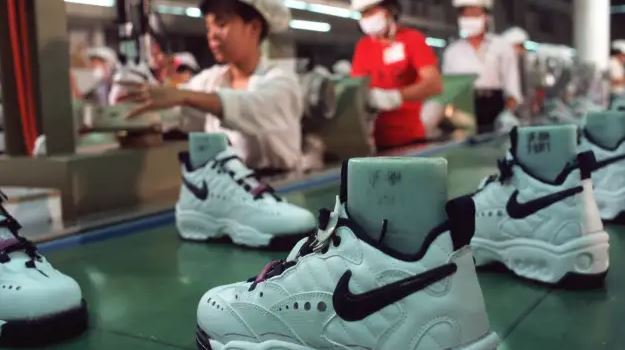
PouYuen Vietnam will lay off 3,000 factory workers and not renew the 3,000 contracts due to “very few production orders in 2023” caused by a sigificant drop in worldwide purchasing power, according to Vietnam’s labor department.
With almost 50,000 workers, PouYuen, , a manufacturer of Nike and Adidas, is the largest employer in Ho Chi Minh City.
The cost-of-living issue in important markets in Europe and the US has had a significant negative impact on Vietnam, one of the world's leading exporters of apparel, footwear, and furniture.
According to the labor department, factory workers will continue to be compensated until they receive unemployment compensation.
Towards the conclusion of last year, PouYuen placed 20,000 of its employees on rotating paid leave.







