


 Diesel Price Surge Threatens Global Economy Amid Middle East Conflict
  U.S. Futures Slide as Oil Prices Surge on Middle East Shipping Attacks
  Chinese AI Stocks Surge as Tencent, MiniMax, and Zhipu Launch Agentic AI Programs
  Bank of Japan Expected to Hold Rates at 0.75% Before June Hike Amid Middle East War Uncertainty
  Dollar Steadies as Traders Await Clarity on U.S.-Israel-Iran War
  IEA Releases Record 400 Million Barrels of Oil Amid U.S.-Iran War
  Iran-Israel War Sparks Global Oil Crisis as Tankers Burn in Gulf Waters
  Nations will release an extra 400 million barrels of oil to the market. All we need to do now is not panic at the pump
  RBA Set for Back-to-Back Rate Hikes, Westpac Forecasts
  Oil Prices Surge Toward $100/Barrel After Tanker Attacks in Iraqi Waters
  Gold Prices Slip as U.S.-Israel-Iran War Fuels Dollar and Oil Demand
  UK Housing Market Slows Amid Geopolitical Tensions and Mortgage Rate Fears
  Venezuela Names Paula Henao as New Oil Minister Amid U.S.-Led Industry Overhaul
  Asian Currencies Face Pressure as U.S.-Iran Conflict Weighs on Markets
  U.S. Solar Market Contracts in 2025 as Trump Rolls Back Renewable Energy Incentives
  German Exports Drop 2.3% in January, Exceeding Forecast Decline


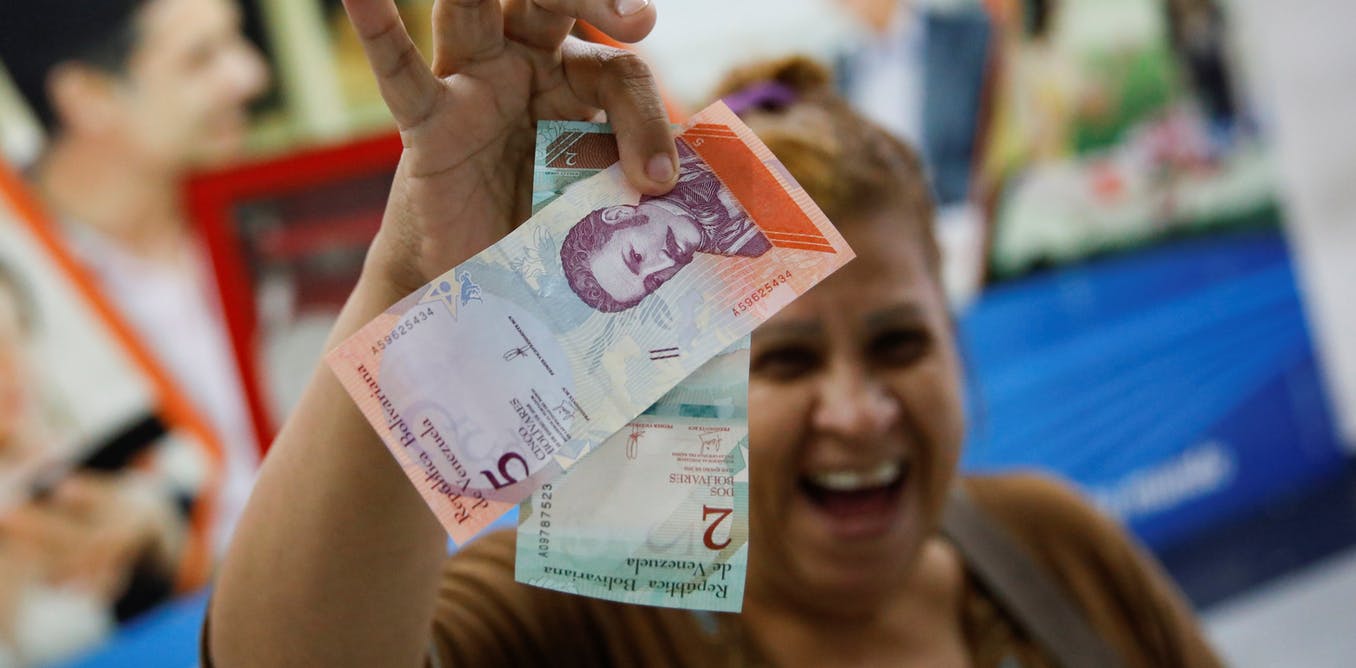
Venezuela is reportedly moving closer to restarting government-backed dollar sales, a step that could help stabilize the country’s fragile bolivar after weeks of turbulence linked to US sanctions and oil export disruptions. According to a Bloomberg report published Friday, several banks in Caracas have begun reaching out to corporate clients to gauge demand for US dollars, signaling the first meaningful supply from the government since mid-December.
The banks are said to be collecting bids from companies, although no dollars had been officially distributed as of Thursday. While the precise volume of dollars on offer has not been disclosed, market participants view the outreach as a clear sign that authorities are preparing to re-enter the foreign exchange market in an effort to contain volatility in the bolivar currency.
The source of the funds also remains uncertain. However, the timing coincides with a recent move by the Trump administration to allow two major global commodities traders to resume sales of Venezuelan oil. That authorization may provide the government with renewed access to hard currency, which has been severely constrained by US-led measures targeting the country’s energy exports.
In parallel markets, the bolivar showed signs of stabilization on Friday, trading below 500 bolivars per dollar, based on quotes from crypto-linked trading platforms commonly used to track unofficial exchange rates. This marks an improvement after sharp swings in recent weeks, when US military actions blocking oil shipments significantly reduced dollar inflows and cut off Venezuela’s primary source of foreign revenue.
The pressure on the currency intensified further following the capture of President Nicolas Maduro by US forces, an event that triggered panic across financial markets. At its weakest point, the bolivar lost more than 20% of its value, plunging to around 800 per dollar and raising fears of a deeper currency crisis.
If confirmed, the resumption of dollar sales could offer short-term relief for businesses and help restore some confidence in Venezuela’s exchange rate regime. However, analysts caution that lasting stability will depend on sustained access to foreign currency, oil export continuity, and broader economic reforms amid ongoing geopolitical uncertainty.













