


 Trump Administration Launches Trade Investigations Against 16 Countries Over Industrial Overcapacity
  Mexico's Electoral Reform Bill Fails in Congress as Coalition Fractures
  After the Iran war, Persian Gulf nations face tough decisions on the US – a former diplomat explains
  U.S. and Russia Hold Diplomatic Talks in Florida Amid Ongoing Tensions
  Pentagon Taps Wall Street Talent to Manage $200 Billion Defense Investment Fund
  Iran-Israel War Sparks Global Oil Crisis as Tankers Burn in Gulf Waters
  Shots Fired at U.S. Consulate in Toronto in Suspected National Security Incident
  Bipartisan Housing Bill Advances in Senate, Aims to Tackle U.S. Affordability Crisis
  Venezuela Names Paula Henao as New Oil Minister Amid U.S.-Led Industry Overhaul
  Trump-Putin Call Addresses Iran War, Ukraine Peace, and Global Oil Crisis
  IEA Releases Record 400 Million Barrels of Oil Amid U.S.-Iran War
  Trump Administration Spent $5.6 Billion in Munitions in Opening Days of Iran Strikes
  FBI Warns of Possible Iranian Drone Attacks on California Amid U.S.-Iran War
  Iran's Government Remains Stable Despite U.S. and Israeli Strikes, Intelligence Shows
  Taiwan's MQ-9B SkyGuardian Drone Order Stays on Schedule Despite Middle East Conflict
  Iran Mines Strait of Hormuz: Crude Oil Prices Surge Amid Middle East Tensions
  Israel-Iran War: Herzog Urges Patience as U.S. and Israeli Strikes Intensify


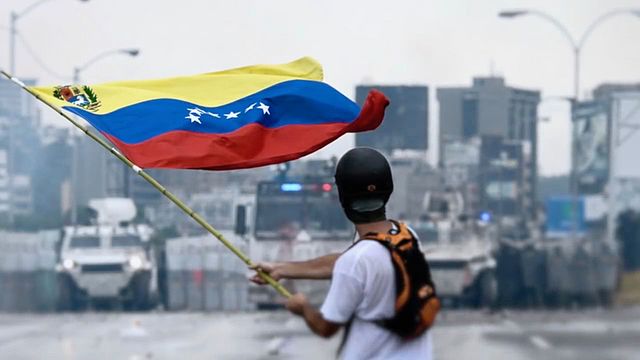
Venezuela has declared a period of national mourning following a deadly U.S. military raid that reportedly took place over the weekend and was aimed at capturing Venezuelan leader Nicolás Maduro. Acting President Delcy Rodríguez announced on Tuesday that the country would observe seven days of mourning in honor of Venezuelan military personnel killed during the operation, underscoring the severity of the incident and its political ramifications.
According to statements from the Venezuelan government, approximately two dozen members of the Venezuelan armed forces lost their lives during the raid. Officials described the incident as a direct act of aggression and a violation of national sovereignty, further escalating already tense relations between Venezuela and the United States. The raid has drawn widespread attention across Latin America and beyond, as it adds a new chapter to the long-running geopolitical conflict involving Venezuela, the U.S., and their respective allies.
The impact of the operation was not limited to Venezuelan forces. Cuba, a close ally of the Maduro government, confirmed on Sunday that 32 Cuban military and police officers stationed in Venezuela were also killed during the attack. In response, the Cuban government declared two days of national mourning to honor its fallen personnel. Cuban officials emphasized that those killed were in Venezuela as part of bilateral cooperation agreements, a claim that has been central to Cuba’s defense of its involvement in the country.
The deaths have intensified international debate over foreign intervention, military cooperation, and regime change efforts in Venezuela. Analysts note that the reported U.S. raid, whether confirmed or disputed, is likely to further strain diplomatic relations and could lead to broader regional consequences. The declaration of mourning by both Venezuela and Cuba reflects the seriousness with which both governments are treating the incident and signals a unified stance against external military actions.
As investigations and diplomatic exchanges continue, the situation remains fluid. The incident highlights the fragile security environment in Venezuela and the ongoing power struggle surrounding Nicolás Maduro’s leadership, keeping the country firmly in the global spotlight.













