


 Iran's Government Remains Stable Despite U.S. and Israeli Strikes, Intelligence Shows
  Israel-Iran War: Herzog Urges Patience as U.S. and Israeli Strikes Intensify
  Trump Administration Spent $5.6 Billion in Munitions in Opening Days of Iran Strikes
  Trump-Putin Call Addresses Iran War, Ukraine Peace, and Global Oil Crisis
  Mexico's Electoral Reform Bill Fails in Congress as Coalition Fractures
  U.S.-Israel War on Iran Sends Crude Oil Prices Surging Amid Strait of Hormuz Tensions
  Venezuela Names Paula Henao as New Oil Minister Amid U.S.-Led Industry Overhaul
  Iran Mines Strait of Hormuz: Crude Oil Prices Surge Amid Middle East Tensions
  U.S. Calls for Reassessment of International Aid to Taliban-Ruled Afghanistan
  Trump Administration Launches Trade Investigations Against 16 Countries Over Industrial Overcapacity
  Trump Hints at Possible U.S. Takeover of Cuba Amid Deepening Humanitarian Crisis
  Iran-Israel War Sparks Global Oil Crisis as Tankers Burn in Gulf Waters
  Anthropic Sues Pentagon Over AI Blacklist, Citing Free Speech Violations
  U.S. Patriot Missiles Redeployed From South Korea Amid Middle East Conflict
  Shots Fired at U.S. Consulate in Toronto in Suspected National Security Incident
  Iran-U.S. Oil Tensions Escalate as Revolutionary Guards Threaten Strait of Hormuz Blockade
  Taiwan's MQ-9B SkyGuardian Drone Order Stays on Schedule Despite Middle East Conflict


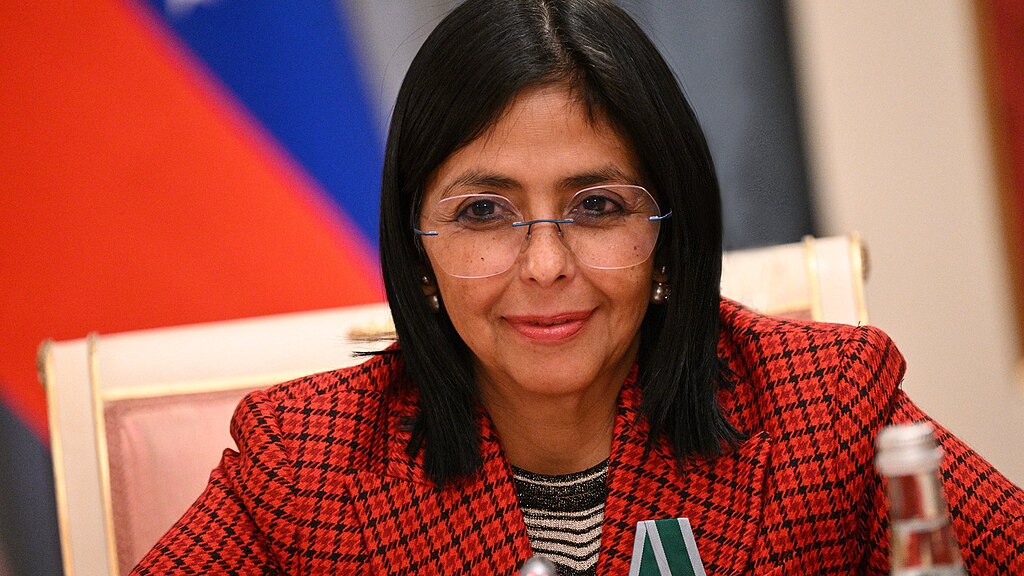
Venezuela’s new amnesty law has generated significant attention after more than 1,550 requests were submitted within days of its approval, according to National Assembly President Jorge Rodriguez. Speaking on state-run television, Rodriguez confirmed that hundreds of prisoners are already being released under the legislation, which was passed Thursday by the ruling party-controlled National Assembly.
The amnesty law comes amid mounting political pressure and international scrutiny. Human rights organizations argue that the measure does not go far enough to address the situation of hundreds of political prisoners in Venezuela. While the government maintains that those detained committed criminal offenses, advocacy groups continue to classify many of them as political prisoners.
Interim President Delcy Rodriguez, who assumed power last month following the U.S.-backed ouster of President Nicolas Maduro, has taken steps that appear aimed at easing tensions with the international community. Her administration has complied with certain Trump administration demands related to oil sales and has authorized the release of hundreds of detainees identified by human rights groups as political prisoners. Venezuelan officials, however, deny the existence of political prisoners, insisting that all arrests were based on legal grounds.
The political shift has also affected high-profile opposition figures. Juan Pablo Guanipa, a prominent opposition politician and close ally of Nobel Peace Prize laureate Maria Corina Machado, recently had his house arrest order lifted. The development was confirmed by his brother, lawmaker Tomas Guanipa, in comments to Reuters.
As Venezuela navigates a complex political transition, the new amnesty law represents a pivotal moment in the country’s ongoing political crisis. Observers are closely monitoring whether the legislation will lead to broader reforms, improve human rights conditions, and reshape Venezuela’s relationship with the United States and the global community.













