


 Trump Doubts Iran Mining Reports as Strait of Hormuz Tensions Escalate
  Iran-Israel War Sparks Global Oil Crisis as Tankers Burn in Gulf Waters
  U.S. Patriot Missiles Redeployed From South Korea Amid Middle East Conflict
  Ukraine Strikes Russian Missile Component Factory in Bryansk Using British Weapons
  Iran-U.S. Oil Tensions Escalate as Revolutionary Guards Threaten Strait of Hormuz Blockade
  U.S.-Israel War on Iran Sends Crude Oil Prices Surging Amid Strait of Hormuz Tensions
  Shots Fired at U.S. Consulate in Toronto in Suspected National Security Incident
  Israel-Iran War: Herzog Urges Patience as U.S. and Israeli Strikes Intensify
  Trump Administration Spent $5.6 Billion in Munitions in Opening Days of Iran Strikes
  After the Iran war, Persian Gulf nations face tough decisions on the US – a former diplomat explains
  Japan's BOJ Independence Under Fire as PM Takaichi's Rate Stance Draws Political Heat
  Anthropic Sues Pentagon Over AI Blacklist, Citing Free Speech Violations
  Iran Mines Strait of Hormuz: Crude Oil Prices Surge Amid Middle East Tensions
  U.S. Senate Greenlights AI Chatbots for Official Staff Use
  Boeing Secures $289 Million Smart Bomb Contract With Israel
  Trump-Putin Call Addresses Iran War, Ukraine Peace, and Global Oil Crisis
  Iran's Government Remains Stable Despite U.S. and Israeli Strikes, Intelligence Shows


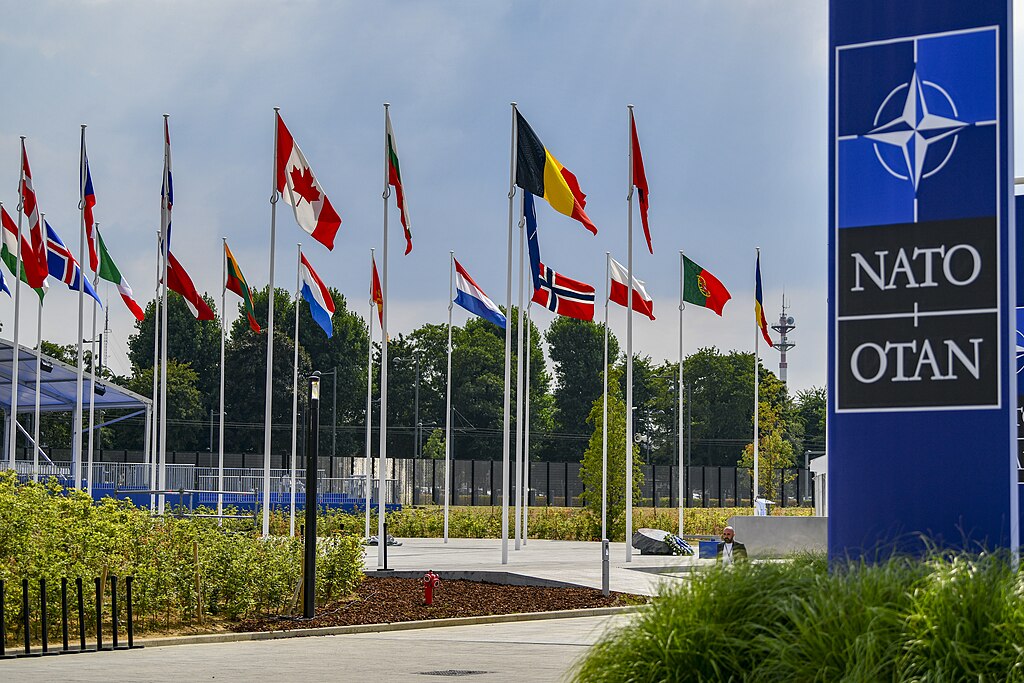
Ukraine’s recent offer to abandon its long-standing ambition to join NATO is unlikely to have a major impact on ongoing peace talks with Russia, according to several foreign policy and security experts. During discussions with U.S. envoys over a potential Ukraine-Russia peace agreement, President Volodymyr Zelenskiy said Kyiv could forgo NATO membership in exchange for firm security guarantees from the United States, Europe, and other partners.
Some analysts argue the move is largely symbolic. Justin Logan, director of defense and foreign policy studies at the Cato Institute, said Ukraine’s NATO membership has not been realistic for years and that the offer does little to change negotiations. He described Zelenskiy’s statement as an attempt to demonstrate flexibility rather than a breakthrough. Andrew Michta, a professor of strategic studies at the University of Florida, echoed this view, calling Ukraine’s NATO admission a “non-issue” at this stage of the conflict.
Logan noted that Ukraine’s security could be supported through other mechanisms, including continued Western military assistance and sanctions against Russia. He suggested U.S. President Donald Trump, responding to Zelenskiy’s proposal, might simply reaffirm existing U.S. commitments such as arms deliveries and economic pressure on Moscow, rather than offering new guarantees.
However, not all experts downplayed the significance of the concession. Brett Bruen, a former foreign policy adviser in the Obama administration and now president of the Global Situation Room consultancy, described Ukraine’s move as “significant and substantive.” He said it highlights Kyiv’s willingness to make difficult compromises for peace, contrasting sharply with Russia’s limited concessions so far.
Bruen raised questions about what Ukraine would receive in return for backing away from a core promise to its citizens. He speculated that the United States could offer concrete steps such as patrolling Ukrainian airspace, responding to airspace violations, or increasing military aid if Russia launches another major offensive.
Ultimately, experts agree that Ukraine needs more than verbal assurances. As peace talks continue, tangible security guarantees and enforceable actions will be critical to ensuring long-term stability and preventing future escalation in the Ukraine-Russia war.













