


 Iran Mines Strait of Hormuz: Crude Oil Prices Surge Amid Middle East Tensions
  Trump Doubts Iran Mining Reports as Strait of Hormuz Tensions Escalate
  FBI Warns of Possible Iranian Drone Attacks on California Amid U.S.-Iran War
  U.S. and Russia Hold Diplomatic Talks in Florida Amid Ongoing Tensions
  U.S.-Israel War on Iran Sends Crude Oil Prices Surging Amid Strait of Hormuz Tensions
  Pentagon Taps Wall Street Talent to Manage $200 Billion Defense Investment Fund
  Japan's BOJ Independence Under Fire as PM Takaichi's Rate Stance Draws Political Heat
  Iran-Israel War Sparks Global Oil Crisis as Tankers Burn in Gulf Waters
  U.S. Calls for Reassessment of International Aid to Taliban-Ruled Afghanistan
  Iran-U.S. Oil Tensions Escalate as Revolutionary Guards Threaten Strait of Hormuz Blockade
  Trump Administration Spent $5.6 Billion in Munitions in Opening Days of Iran Strikes
  Trump Administration Launches Trade Investigations Against 16 Countries Over Industrial Overcapacity
  U.S. Patriot Missiles Redeployed From South Korea Amid Middle East Conflict
  Iran's Government Remains Stable Despite U.S. and Israeli Strikes, Intelligence Shows
  Israel-Iran War: Herzog Urges Patience as U.S. and Israeli Strikes Intensify
  Mexico's Electoral Reform Bill Fails in Congress as Coalition Fractures
  Trump Hints at Possible U.S. Takeover of Cuba Amid Deepening Humanitarian Crisis


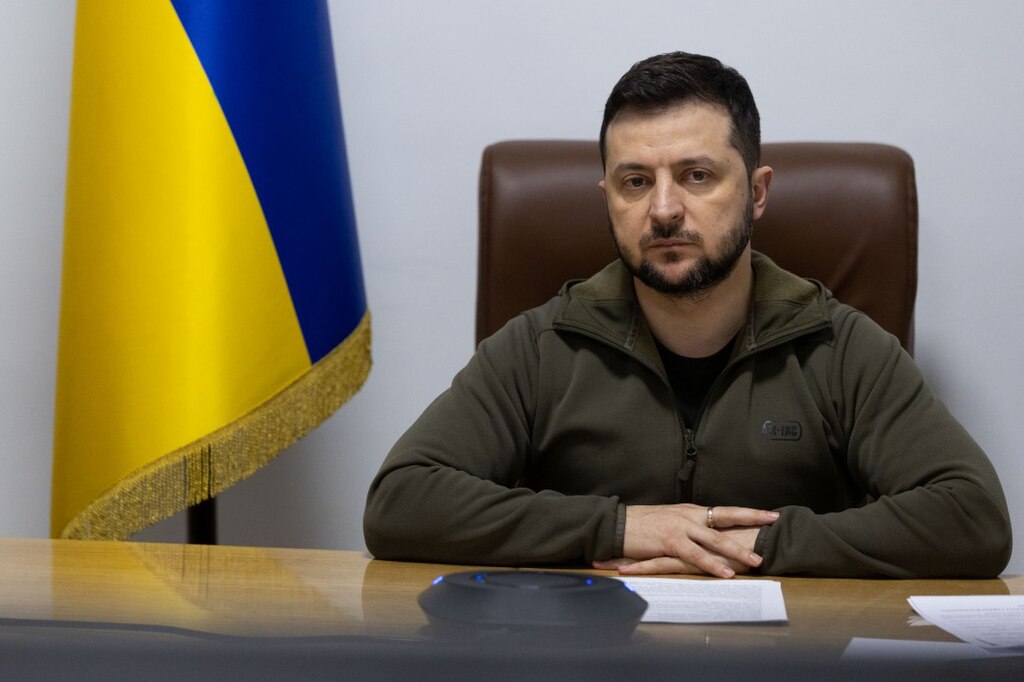
Ukraine is overhauling its air defence system by introducing a new operational approach centered on mobile groups using interceptor drones, as the country prepares for potential large-scale Russian attacks. President Volodymyr Zelenskiy announced the initiative on Monday, highlighting the need to adapt quickly as Russia intensifies its aerial assault strategy.
The announcement comes after a recent wave of Russian missile and drone strikes that damaged critical energy infrastructure across Ukraine, leaving thousands of apartment buildings without power and heating, particularly in Kyiv. These attacks have reinforced Ukraine’s urgent calls for stronger air defence capabilities and additional military support from Western allies.
In his nightly address, Zelenskiy explained that the Ukrainian Air Force will adopt a transformed system that integrates mobile fire groups, interceptor drones, and other short-range air defence assets. This new model is designed to improve flexibility, response time, and cost efficiency, especially against drone and missile threats. To lead this effort, Zelenskiy appointed Pavlo Yelizarov as Deputy Air Force Commander, tasking him with overseeing and developing the new air defence concept.
Ukraine has significantly expanded its domestic drone manufacturing since Russia’s full-scale invasion began in February 2022. Interceptor drones have become a key element of Ukraine’s defence strategy, offering a relatively affordable and effective method to counter incoming aerial attacks.
Zelenskiy also warned citizens to remain extremely vigilant, stating that Ukrainian intelligence believes Russia is preparing a massive strike and is waiting for the right moment to act. He urged regional authorities to be ready to respond rapidly and assist civilians in the event of new attacks.
Over the weekend, both Zelenskiy and Foreign Minister Andrii Sybiha said intelligence reports showed Russian reconnaissance activity targeting specific sites, including substations supplying nuclear power plants. Additionally, the president instructed Prime Minister Yulia Svyrydenko to address the aftermath of recent strikes, including approving bonuses for tens of thousands of emergency workers restoring electricity and heating nationwide.
This shift in air defence strategy reflects Ukraine’s continued adaptation to evolving threats and its determination to protect critical infrastructure and civilian populations.













