


 Pentagon Taps Wall Street Talent to Manage $200 Billion Defense Investment Fund
  Taiwan's MQ-9B SkyGuardian Drone Order Stays on Schedule Despite Middle East Conflict
  Iran-U.S. Oil Tensions Escalate as Revolutionary Guards Threaten Strait of Hormuz Blockade
  Iran-Israel War Sparks Global Oil Crisis as Tankers Burn in Gulf Waters
  Ukraine Strikes Russian Missile Component Factory in Bryansk Using British Weapons
  Shots Fired at U.S. Consulate in Toronto in Suspected National Security Incident
  Trump Administration Spent $5.6 Billion in Munitions in Opening Days of Iran Strikes
  Boeing Secures $289 Million Smart Bomb Contract With Israel
  Mexico's Electoral Reform Bill Fails in Congress as Coalition Fractures
  Japan's BOJ Independence Under Fire as PM Takaichi's Rate Stance Draws Political Heat
  After the Iran war, Persian Gulf nations face tough decisions on the US – a former diplomat explains
  Iran's Government Remains Stable Despite U.S. and Israeli Strikes, Intelligence Shows
  Trump Doubts Iran Mining Reports as Strait of Hormuz Tensions Escalate
  Trump Hints at Possible U.S. Takeover of Cuba Amid Deepening Humanitarian Crisis
  U.S. Senate Greenlights AI Chatbots for Official Staff Use
  Trump-Putin Call Addresses Iran War, Ukraine Peace, and Global Oil Crisis


Representatives from Ukraine and Russia are set to meet in Geneva on Tuesday and Wednesday for a new round of U.S.-mediated peace talks aimed at ending Europe’s largest conflict since World War II. The Kremlin has indicated that territorial disputes, particularly control over eastern Ukraine, will dominate discussions.
U.S. President Donald Trump is intensifying diplomatic efforts to push both Moscow and Kyiv toward a negotiated settlement. However, Ukrainian President Volodymyr Zelenskiy has voiced concerns that Ukraine is being pressured more heavily to make concessions. At the center of the dispute is Russia’s demand that Ukraine surrender the remaining 20% of the Donetsk region that Russian forces have been unable to seize. Kyiv has firmly rejected any proposal involving territorial concessions.
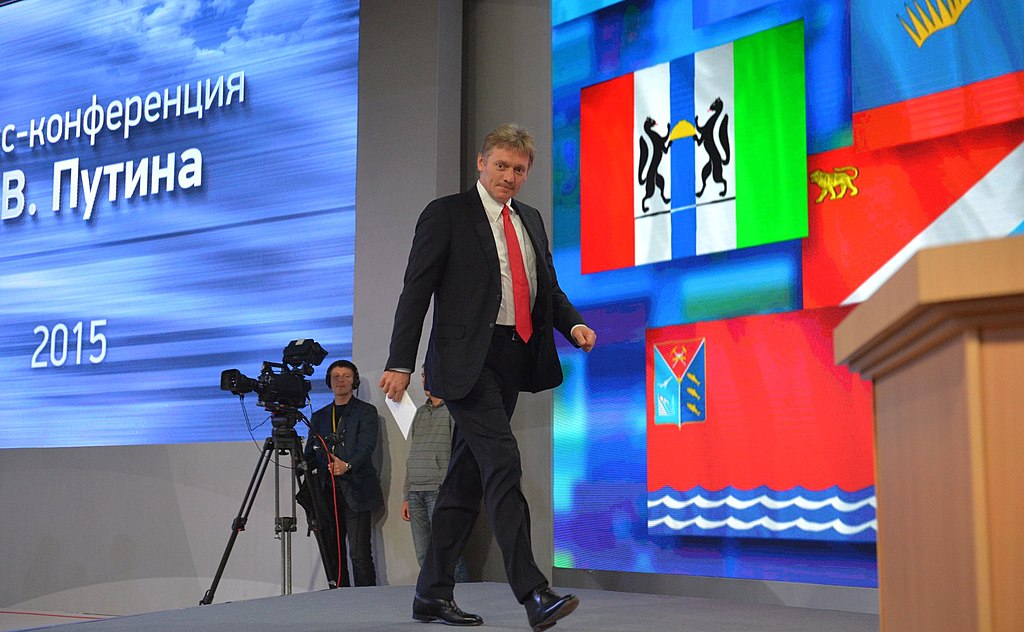
Kremlin spokesman Dmitry Peskov confirmed that this round of Geneva peace talks will address broader and more substantive issues, including land control and Moscow’s key strategic demands. Previous negotiations held in Abu Dhabi were described as constructive but failed to produce a breakthrough.
The Geneva meeting comes just days before the fourth anniversary of Russia’s full-scale invasion of Ukraine on February 24. The war has resulted in tens of thousands of deaths, widespread destruction, and millions of displaced civilians. Russia currently occupies roughly 20% of Ukraine’s territory, including Crimea and parts of the Donbas region. Continued air strikes on Ukrainian energy infrastructure have left many without heat and electricity during winter.
Russia’s delegation will be led by presidential aide Vladimir Medinsky, alongside military intelligence chief Igor Kostyukov and envoy Kirill Dmitriev. Ukraine’s team will be headed by Rustem Umerov and senior officials including Kyrylo Budanov and Serhiy Kyslytsya. U.S. envoys Steve Witkoff and Jared Kushner will represent Washington.
Despite diplomatic efforts, expectations remain low for significant progress, as both sides continue to disagree on territorial control, the Zaporizhzhia nuclear power plant, and the potential role of Western troops in postwar Ukraine.













