


 U.S. Senate Greenlights AI Chatbots for Official Staff Use
  U.S.-Israel War on Iran Sends Crude Oil Prices Surging Amid Strait of Hormuz Tensions
  IEA Releases Record 400 Million Barrels of Oil Amid U.S.-Iran War
  ANZ and Westpac Forecast Two RBA Rate Hikes in March and May 2026
  Taiwan's MQ-9B SkyGuardian Drone Order Stays on Schedule Despite Middle East Conflict
  Bipartisan Housing Bill Advances in Senate, Aims to Tackle U.S. Affordability Crisis
  Venezuela Names Paula Henao as New Oil Minister Amid U.S.-Led Industry Overhaul
  German Exports Drop 2.3% in January, Exceeding Forecast Decline
  Chinese AI Stocks Surge as Tencent, MiniMax, and Zhipu Launch Agentic AI Programs
  Iran-Israel War Sparks Global Oil Crisis as Tankers Burn in Gulf Waters
  FBI Warns of Possible Iranian Drone Attacks on California Amid U.S.-Iran War
  Dollar Stabilizes Amid Iran War Uncertainty as Oil Prices Remain Elevated
  Asian Stock Markets Rise as Oil Prices Pull Back; U.S. CPI in Focus
  Trump Hints at Possible U.S. Takeover of Cuba Amid Deepening Humanitarian Crisis
  China's Trade Surplus Surges Past Forecasts in Early 2026
  Asian Markets Retreat as Oil Prices Surge Toward $100 Amid Middle East Tensions
  Trump-Putin Call Addresses Iran War, Ukraine Peace, and Global Oil Crisis


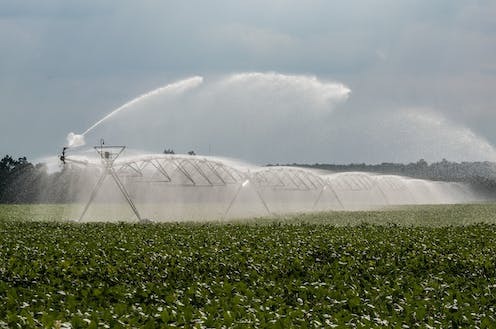
The U.S. Department of Agriculture (USDA) has released new details on a $12 billion farm aid program aimed at supporting American farmers struggling with low crop prices and ongoing trade disputes. While the initiative is expected to provide some financial relief ahead of the next planting season, many soybean growers and agricultural economists say the payments fall far short of covering actual farm losses.
Under the Farmer Bridge Assistance program, approximately $11 billion will be distributed as one-time payments to farmers based on per-acre rates. Producers who planted any of 19 eligible commodity crops will qualify for payments calculated using 2025 planted acres, cost-of-production data, and current market conditions. The USDA said payments are scheduled to be issued by February 28.
U.S. farmers faced a challenging year marked by record corn and soybean harvests amid a global grain surplus. Oversupply pushed crop prices lower, leading to billions of dollars in losses. Soybean farmers were hit especially hard as exports to China declined sharply, with the world’s largest soybean buyer shifting purchases to South American suppliers during prolonged trade tensions.
Payment rates vary significantly by crop. Rice farmers stand to receive the highest compensation at $132.89 per acre, followed by cotton at $117.35 and oats at $81.75 per acre. In comparison, corn growers will receive $44.36 per acre, wheat farmers $39.35, and soybean producers just $30.88 per acre. Sorghum growers are set to receive $48.11 per acre, a figure industry representatives say will provide modest but welcome relief.
Soybean industry leaders argue the assistance is insufficient. The American Soybean Association noted that trade-related losses have left many producers financially strained, raising concerns about farm solvency heading into the next season. Meanwhile, other eligible crops include peanuts, barley, canola, sunflower, lentils, peas, mustard, safflower, flax, chickpeas, and sesame.
President Donald Trump announced the aid package on December 8 in response to pressure from farm groups and lawmakers seeking to help producers cover rising input costs such as seeds and fertilizer. The remaining $1 billion is reserved for specialty crop and sugar farmers, though USDA officials have yet to clarify how or when those funds will be distributed.













