


 Japan Election 2026: Sanae Takaichi Poised for Landslide Win Despite Record Snowfall
  Israel Approves West Bank Measures Expanding Settler Land Access
  Federal Judge Restores Funding for Gateway Rail Tunnel Project
  Trump Says “Very Good Talks” Underway on Russia-Ukraine War as Peace Efforts Continue
  U.S. Lawmakers to Review Unredacted Jeffrey Epstein DOJ Files Starting Monday
  Trump Administration Appeals Court Order to Release Hudson Tunnel Project Funding
  Trump’s Inflation Claims Clash With Voters’ Cost-of-Living Reality
  US Pushes Ukraine-Russia Peace Talks Before Summer Amid Escalating Attacks
  Trump Allows Commercial Fishing in Protected New England Waters
  Bangladesh Election 2026: A Turning Point After Years of Political Suppression
  Anutin’s Bhumjaithai Party Wins Thai Election, Signals Shift Toward Political Stability
  Trump Congratulates Japan’s First Female Prime Minister Sanae Takaichi After Historic Election Victory
  Nicaragua Ends Visa-Free Entry for Cubans, Disrupting Key Migration Route to the U.S.
  Trump Backs Nexstar–Tegna Merger Amid Shifting U.S. Media Landscape
  Ohio Man Indicted for Alleged Threat Against Vice President JD Vance, Faces Additional Federal Charges
  Japan’s Prime Minister Sanae Takaichi Secures Historic Election Win, Shaking Markets and Regional Politics
  Netanyahu to Meet Trump in Washington as Iran Nuclear Talks Intensify


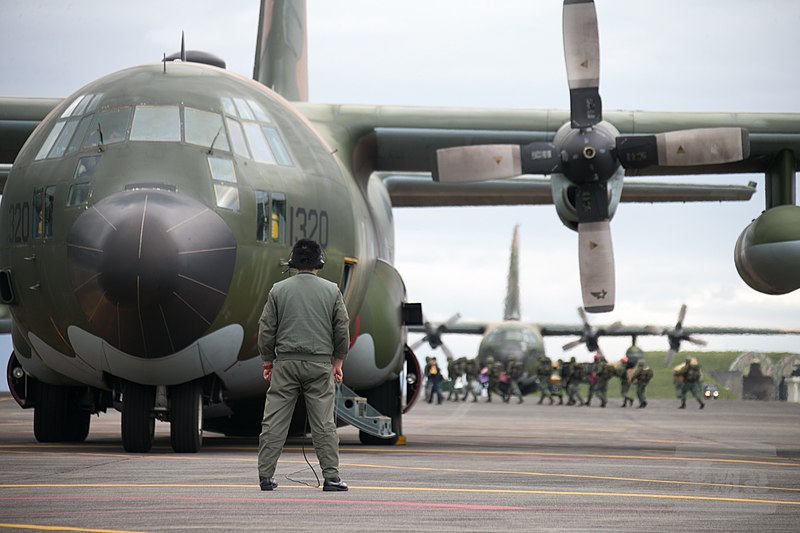
The United States State Department has approved a potential sale of $428 million worth of aircraft parts to Taiwan. The sale of aircraft parts is in assistance to Taiwan’s air force which has repeatedly been scrambling its jets to ward off Chinese warplanes that have been making incursions into its airspace.
The Pentagon issued two statements Tuesday on the approval of the sale by the State Department. The Pentagon said the parts would support Taiwan’s F-16 aircraft, Indigenous Defense Fighter jets, and all other aircraft, systems, and subsystems that are US in origin. The Taiwanese defense ministry said the sale is expected to “take effect” in a month, thanking Washington for the sale.
“The proposed sale will contribute to the sustainment of the recipient’s aerial fleet, enhancing its ability to meet current and future threats while providing defensive and transport capabilities critical to regional security,” said the Pentagon in the statements.
The Taiwanese defense ministry also said that China was trying to “normalize” its military activities close to the democratically-governed island, which it claims as its territory. The ministry said that Beijing was trying to increase its pressure campaign on the island’s ability to train and react, and the sale will mark big assistance to Taiwan.
“Taiwan will continue to firmly demonstrate its determination and ability to defend itself and to firmly defend its sovereignty and protect national security,” said the Taiwanese presidential office, noting that this was the seventh arms sale approved by the US under President Joe Biden’s administration and that the latest sale would help boost Taiwan’s combat capabilities.
China has demanded that the United States stop selling arms to Taiwan. The US, however, is legally bound to sell arms to the island and is Taiwan’s leading arms supplier, despite having no formal diplomatic ties. Taiwan also has strong bipartisan support in the US Congress.
The US Congress is also expected to start a vote on Wednesday on a military policy bill that could see an authorization of $10 billion in security assistance and a fast-tracked weapons procurement for the island nation.
The annual National Defense Authorization Act or NDAA this time does not include some proposals by lawmakers for Taiwan policy that are deemed controversial, such as sanctions in case of “significant aggression” by China against Taiwan or a proposal that would designate the island as a major non-NATO ally.













