


 U.S. Fast-Tracks $8.6 Billion Arms Sales to Middle East Allies Amid Rising Tensions
  Tokyo Inflation Slows Despite Energy Pressures and BOJ Policy Outlook
  U.S. Military Presence in Germany Strengthens NATO Readiness and Training
  US Stock Futures Rise as S&P 500 and Nasdaq Hit Record Highs Amid Earnings Optimism and Iran Tensions
  Wall Street Mixed as Apple Earnings Boost Nasdaq and Oil Prices Ease
  Trump Criticizes German Chancellor Merz Over Iran War and Ukraine Policy
  Trump Rejects Iran Proposal as Tensions Persist Amid Fragile Ceasefire
  Dollar Gains Slightly as Yen Volatility Continues After Japan Intervention
  Iran-U.S. Conflict Escalation Threatens Global Oil Supply and Economic Stability
  Rising Tensions in US-Europe Relations Amid Trump Policies and Iran War
  U.S. Flags Vietnam as “Priority Foreign Country” Over Intellectual Property Concerns
  Asian Stock Markets Rise Amid Wall Street Rally and U.S.-Iran Tensions
  Comey Faces Charges Over Instagram Post as Free Speech Debate Intensifies
  Judge Rules Use of Military Lawyers in Civilian Prosecutions Is Lawful


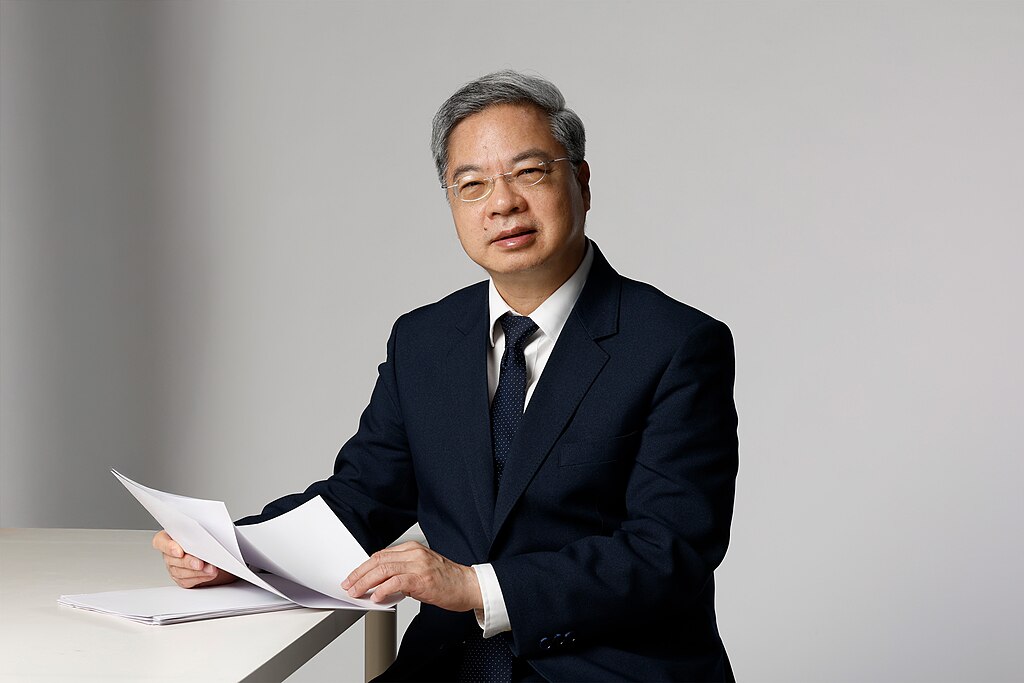
Senior officials from Taiwan and the United States have reinforced bilateral cooperation in artificial intelligence, advanced technology, and drone development during the sixth round of the U.S.-Taiwan Economic Prosperity Partnership Dialogue. The high-level forum, which began during the first Trump administration in November 2020, highlights the growing strategic and economic ties between Washington and Taipei, particularly in critical technology sectors.
According to the U.S. State Department, the latest round of talks was led by U.S. Under Secretary for Economic Affairs Jacob Helberg and Taiwan’s Minister of Economic Affairs Kung Ming-hsin, who is currently visiting the United States. The discussions underscored Taiwan’s role as a “vital partner” in advancing secure and resilient global supply chains, especially as demand for artificial intelligence and semiconductor technologies accelerates worldwide.
A key outcome of the meeting was the signing of statements on the Pax Silica Declaration, a U.S.-led initiative aimed at safeguarding AI and semiconductor supply chains, as well as a separate statement on U.S.-Taiwan cooperation in economic security. The State Department emphasized that Taiwan’s advanced manufacturing sector plays a crucial role in fueling the global AI revolution, given the island’s dominance in producing cutting-edge semiconductors.
The dialogue also covered a wide range of topics related to supply chain security, including AI-related risks, certification standards for drone components, and cooperation on critical minerals. Officials exchanged views on countering economic coercion, expanding cooperation in third countries, and addressing tax-related barriers that hinder cross-border investment. Taiwan has long advocated for a double taxation avoidance agreement with the U.S., arguing it would significantly boost bilateral trade and investment.
Earlier this month, Taiwan and the United States reached an agreement to reduce tariffs on Taiwanese exports and encourage greater Taiwanese investment in U.S. semiconductor manufacturing and other strategic industries. Despite the absence of formal diplomatic ties, the U.S. remains Taiwan’s most important international supporter and primary arms supplier.
China continues to oppose official interactions between the U.S. and Taiwan, asserting that Taiwan is an internal matter. However, Taiwan’s government firmly rejects Beijing’s sovereignty claims, maintaining that the island’s future can only be decided by its people.







