


 TrumpRx.gov Highlights GLP-1 Drug Discounts but Offers Limited Savings for Most Americans
  Trump Says “Very Good Talks” Underway on Russia-Ukraine War as Peace Efforts Continue
  Jack Lang Resigns as Head of Arab World Institute Amid Epstein Controversy
  Bosnian Serb Presidential Rerun Confirms Victory for Dodik Ally Amid Allegations of Irregularities
  Trump Signs Executive Order Threatening 25% Tariffs on Countries Trading With Iran
  New York Legalizes Medical Aid in Dying for Terminally Ill Patients
  U.S. to Begin Paying UN Dues as Financial Crisis Spurs Push for Reforms
  Trump Administration Appeals Court Order to Release Hudson Tunnel Project Funding
  India–U.S. Interim Trade Pact Cuts Auto Tariffs but Leaves Tesla Out
  Nicaragua Ends Visa-Free Entry for Cubans, Disrupting Key Migration Route to the U.S.
  Trump Congratulates Japan’s First Female Prime Minister Sanae Takaichi After Historic Election Victory
  Trump Signs “America First Arms Transfer Strategy” to Prioritize U.S. Weapons Sales
  US Pushes Ukraine-Russia Peace Talks Before Summer Amid Escalating Attacks
  Israel Approves West Bank Measures Expanding Settler Land Access
  Japan’s Prime Minister Sanae Takaichi Secures Historic Election Win, Shaking Markets and Regional Politics
  China Warns US Arms Sales to Taiwan Could Disrupt Trump’s Planned Visit
  Antonio José Seguro Poised for Landslide Win in Portugal Presidential Runoff


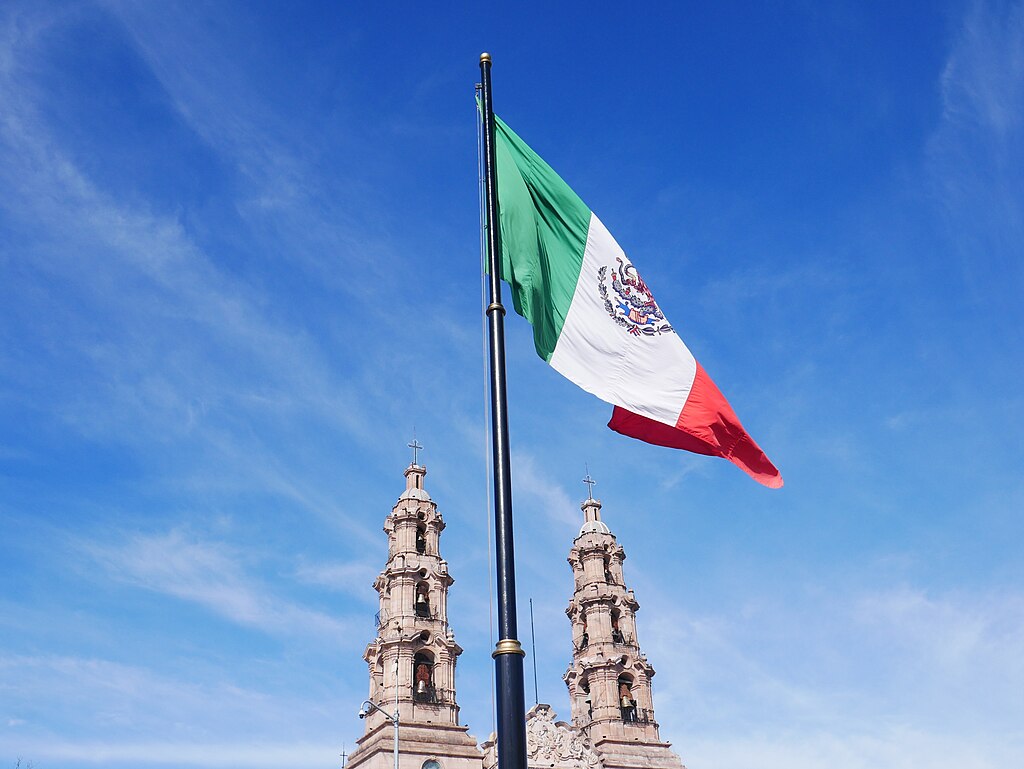
The United States and Mexico have signed a new bilateral agreement aimed at addressing the long-standing Tijuana River sewage crisis, according to a statement released Monday by the U.S. Environmental Protection Agency (EPA). The agreement represents a significant step forward in resolving a decades-old environmental and public health issue that has impacted communities on both sides of the U.S.-Mexico border, particularly in Southern California.
For years, untreated or partially treated sewage from Tijuana has flowed into the Tijuana River, crossing into the United States before emptying into the Pacific Ocean near San Diego. This pollution has led to repeated beach closures, environmental degradation, and health risks for residents, military personnel, and visitors in the region. The issue has been a persistent source of tension between the two countries, prompting calls for stronger cross-border cooperation and infrastructure investment.
Under the new agreement, the U.S. and Mexican Sections of the International Boundary and Water Commission (IBWC) have committed to a coordinated plan that includes major infrastructure projects, expanded research initiatives, enhanced water quality monitoring, and long-term planning for the operation and maintenance of critical sewage systems. Importantly, the agreement also takes into account projected population growth in Tijuana, aiming to ensure that future wastewater capacity can meet increasing demand and prevent further pollution.
The EPA emphasized that the agreement is designed to deliver sustainable, long-term solutions rather than temporary fixes. By improving sewage treatment facilities and strengthening binational collaboration, both governments hope to significantly reduce the flow of contaminated water into the river and coastal areas.
Earlier this year, EPA Administrator Lee Zeldin and Mexican Environment Minister Alicia Bárcena signed a memorandum of understanding that laid the groundwork for this latest agreement. As part of that commitment, Mexico agreed to expedite the use of $93 million in funding for upgrades to the Tijuana sewage system and to move forward with additional projects focused on maintenance, resilience, and future growth.
Environmental advocates and local officials have welcomed the agreement, viewing it as a critical milestone in protecting water quality, public health, and coastal ecosystems along the U.S.-Mexico border.













