


 Trump Doubts Iran Mining Reports as Strait of Hormuz Tensions Escalate
  After the Iran war, Persian Gulf nations face tough decisions on the US – a former diplomat explains
  Taiwan's MQ-9B SkyGuardian Drone Order Stays on Schedule Despite Middle East Conflict
  RBA Set for Back-to-Back Rate Hikes, Westpac Forecasts
  Trump Administration Launches Trade Investigations Against 16 Countries Over Industrial Overcapacity
  U.S. Patriot Missiles Redeployed From South Korea Amid Middle East Conflict
  Asian Stock Markets Rise as Oil Prices Pull Back; U.S. CPI in Focus
  U.S. Markets Slip Amid Iran Conflict Uncertainty as Oil Prices Retreat
  Asian Markets Retreat as Oil Prices Surge Toward $100 Amid Middle East Tensions
  Asian Currencies Face Pressure as U.S.-Iran Conflict Weighs on Markets
  Ukraine Strikes Russian Missile Component Factory in Bryansk Using British Weapons
  Anthropic Sues Pentagon Over AI Blacklist, Citing Free Speech Violations
  IEA Releases Record 400 Million Barrels of Oil Amid U.S.-Iran War
  U.S. Futures Slide as Oil Prices Surge on Middle East Shipping Attacks
  Trump-Putin Call Addresses Iran War, Ukraine Peace, and Global Oil Crisis
  Gold Prices Slip as U.S.-Israel-Iran War Fuels Dollar and Oil Demand


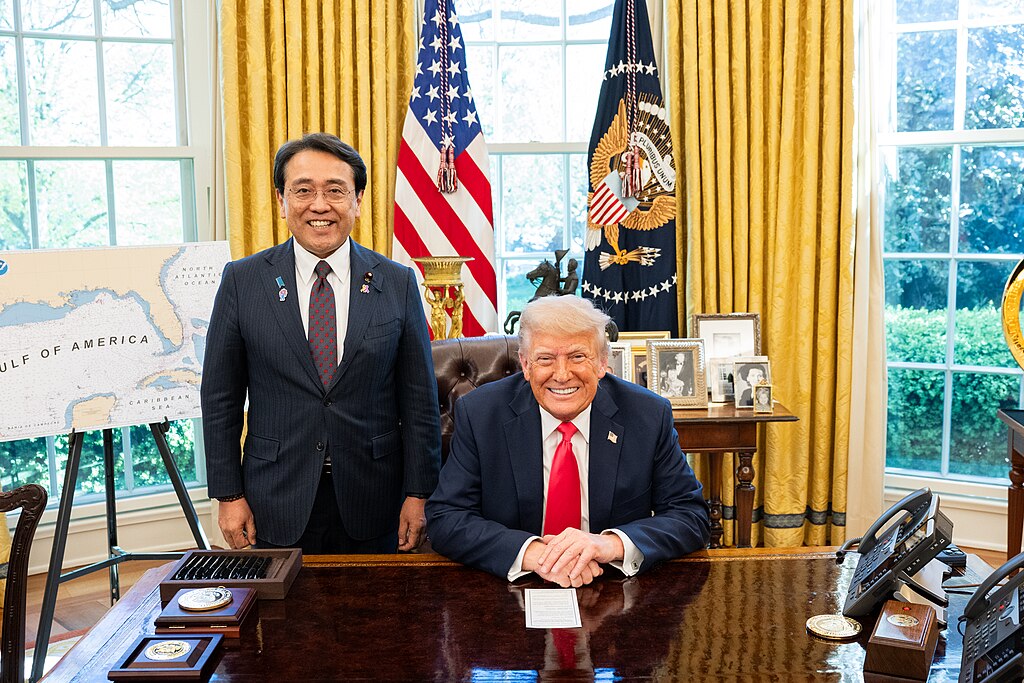
The United States and Japan have agreed to accelerate coordination on their Strategic Investment Initiative, a major bilateral framework backed by a $550 billion fund established under the two countries’ tariff agreement. The move highlights deepening economic cooperation between the world’s largest and third-largest economies, with a strong focus on strategic industries, trade stability, and long-term growth.
According to an official statement released by Japan’s Ministry of Economy, Trade and Industry, both governments are working toward announcing the first project under the Strategic Investment Initiative as soon as possible. The initiative is designed to channel large-scale investment into priority sectors that strengthen supply chains, enhance energy security, and promote technological innovation across both nations.
The agreement was confirmed during an online meeting held on December 23 at 10 p.m. Japan Standard Time. The call brought together senior officials from both sides, including U.S. Commerce Secretary Howard Lutnick and Japan’s Economy Minister Ryosei Akazawa. U.S. Energy Secretary Chris Wright also participated, underscoring the importance of energy-related cooperation within the broader investment framework. Additional government officials from the United States and Japan joined the discussions, signaling high-level commitment to advancing the initiative.
The Strategic Investment Initiative represents one of the most significant financial commitments ever made under a bilateral tariff agreement. The $550 billion allocation provides a substantial pool of capital to support joint projects that align with shared economic and geopolitical interests. While specific project details have not yet been disclosed, expectations are high that early investments will focus on areas such as clean energy, advanced manufacturing, critical minerals, and emerging technologies.
By fast-tracking coordination and aiming for an early project announcement, the United States and Japan are sending a clear message about their intent to strengthen economic ties and promote resilient, rules-based trade. The initiative is expected to play a key role in shaping future cooperation, boosting investor confidence, and reinforcing the strategic partnership between the two nations in an increasingly complex global economic environment.













