


 U.S.-India Trade Framework Signals Major Shift in Tariffs, Energy, and Supply Chains
  Israel Approves West Bank Measures Expanding Settler Land Access
  Trump Says “Very Good Talks” Underway on Russia-Ukraine War as Peace Efforts Continue
  Antonio José Seguro Poised for Landslide Win in Portugal Presidential Runoff
  U.S. Lawmakers to Review Unredacted Jeffrey Epstein DOJ Files Starting Monday
  Sydney Braces for Pro-Palestine Protests During Israeli President Isaac Herzog’s Visit
  Trump’s Inflation Claims Clash With Voters’ Cost-of-Living Reality
  Jack Lang Resigns as Head of Arab World Institute Amid Epstein Controversy
  Bosnian Serb Presidential Rerun Confirms Victory for Dodik Ally Amid Allegations of Irregularities
  Trump Backs Nexstar–Tegna Merger Amid Shifting U.S. Media Landscape
  Nicaragua Ends Visa-Free Entry for Cubans, Disrupting Key Migration Route to the U.S.
  Trump Congratulates Japan’s First Female Prime Minister Sanae Takaichi After Historic Election Victory
  Federal Judge Restores Funding for Gateway Rail Tunnel Project
  China Warns US Arms Sales to Taiwan Could Disrupt Trump’s Planned Visit
  India–U.S. Interim Trade Pact Cuts Auto Tariffs but Leaves Tesla Out
  Pentagon Ends Military Education Programs With Harvard University
  Japan Election 2026: Sanae Takaichi Poised for Landslide Win Despite Record Snowfall


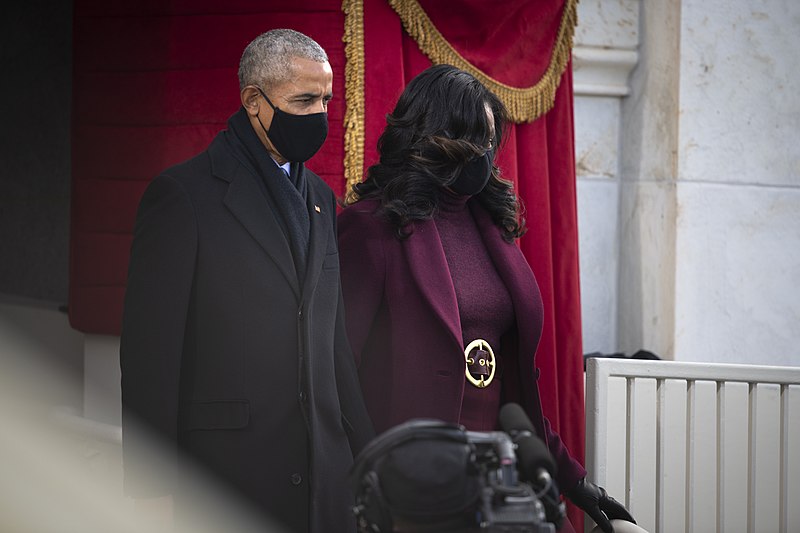
This week, former US President Barack Obama and former first lady Michelle Obama returned to the White House for the unveiling of their presidential portraits. The unveiling of the portraits marks another return to tradition as the custom of unveiling a predecessor’s portrait briefly stopped during Obama’s immediate successor’s administration.
The Obamas returned to the White House Wednesday for the unveiling of their presidential portraits in an event hosted by President Joe Biden, who served as Obama’s vice president for two terms. The unveiling of the portraits also comes more than five years since Obama left office in 2017.
“There are few people I have known with more integrity, more decency, and more courage than Barack Obama,” said Biden. “Nothing could have prepared me more for being president of the United States than being by your side for eight years.”
Artist Robert McCurdy painted a photorealistic portrait of the former Democratic president, while artist Sharon Sprung painted the former first lady’s portrait. The presidential portraits are hung in the rooms and walls of the White House.
The unveiling is also another tradition among presidents, with the current president hosting an unveiling of the presidential portraits of their predecessor. However, Obama’s portrait unveiling did not take place during his successor Donald Trump’s time in office.
“Thanks to your decency and thanks to your strength, maybe most of all thanks to your faith in our democracy and the American people, the country’s better off than when you took office and we should all be deeply grateful to you for that,” said Obama to Biden.
On the same day, Senate Majority Leader Chuck Schumer said the temporary funding to keep the government running past the current fiscal year that ends on September 30 may be extended until mid-December.
Schumer told reporters that he plans to attach a permitting reform bill that would aid the country’s energy industry to the stopgap funding legislation.
However, some Senate Republicans are hoping to hold out until next year on finishing the 2023 fiscal year spending in the hopes that the GOP reclaims the majority at least in the House following the midterm elections in November.













