


 Trump Doubts Iran Mining Reports as Strait of Hormuz Tensions Escalate
  Japan's BOJ Independence Under Fire as PM Takaichi's Rate Stance Draws Political Heat
  U.S. Patriot Missiles Redeployed From South Korea Amid Middle East Conflict
  Iran's Government Remains Stable Despite U.S. and Israeli Strikes, Intelligence Shows
  IEA Releases Record 400 Million Barrels of Oil Amid U.S.-Iran War
  Ukraine Strikes Russian Missile Component Factory in Bryansk Using British Weapons
  Iran Mines Strait of Hormuz: Crude Oil Prices Surge Amid Middle East Tensions
  FBI Warns of Possible Iranian Drone Attacks on California Amid U.S.-Iran War
  Trump-Putin Call Addresses Iran War, Ukraine Peace, and Global Oil Crisis
  Trump Announces New U.S. Oil Refinery in Texas with Indian Energy Giant Reliance
  Israel-Iran War: Herzog Urges Patience as U.S. and Israeli Strikes Intensify
  Mexico's Electoral Reform Bill Fails in Congress as Coalition Fractures
  Bipartisan Housing Bill Advances in Senate, Aims to Tackle U.S. Affordability Crisis
  Trump Administration Launches Trade Investigations Against 16 Countries Over Industrial Overcapacity
  Trump Administration Spent $5.6 Billion in Munitions in Opening Days of Iran Strikes
  Taiwan's MQ-9B SkyGuardian Drone Order Stays on Schedule Despite Middle East Conflict
  U.S. and Russia Hold Diplomatic Talks in Florida Amid Ongoing Tensions


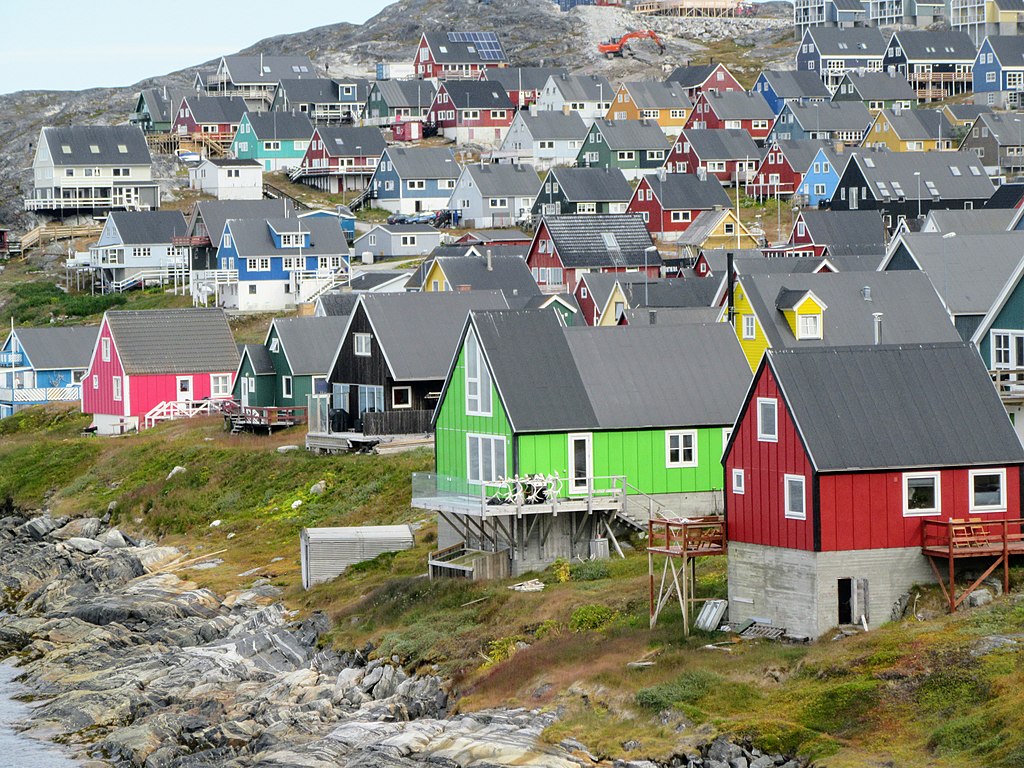
U.S. officials have reportedly discussed the possibility of offering lump-sum payments to residents of Greenland as part of a controversial effort to encourage the island to break away from Denmark and potentially align with the United States. According to sources familiar with internal deliberations, proposed payments have ranged from $10,000 to as much as $100,000 per person, though no final figures or logistics have been confirmed.
The discussions highlight how the U.S. might attempt to “buy” Greenland, a semi-autonomous Danish territory with a population of about 57,000, despite repeated statements from leaders in Copenhagen and Nuuk that the island is not for sale. Greenland has long debated independence, largely due to its economic reliance on Denmark, making the idea of direct financial incentives both politically sensitive and potentially divisive.
The proposal is said to be one of several options under consideration by the White House, alongside diplomatic initiatives and, more controversially, the potential use of military pressure. Critics warn that direct payments could appear transactional or disrespectful to Greenlanders, many of whom support independence but oppose joining the United States.
Greenland’s Prime Minister, Jens-Frederik Nielsen, has publicly rejected renewed annexation rhetoric from U.S. President Donald Trump, emphasizing that Greenland’s future should be decided by its own people. European leaders have echoed this stance, with Denmark and several EU nations issuing a joint statement affirming that only Greenland and Denmark can determine their relationship.
The White House has acknowledged that discussions about a possible purchase are ongoing. Officials have also floated the idea of a Compact of Free Association, similar to agreements the U.S. maintains with several Pacific island nations, which typically involve financial assistance, defense commitments, and expanded U.S. military access.
While Greenland holds strategic value due to its location and mineral resources critical for advanced military technology, polls consistently show that most Greenlanders do not favor becoming part of the United States. As debates intensify, the issue underscores growing geopolitical competition in the Arctic and the complex balance between national security, sovereignty, and self-determination.













