


 Asian Stocks Gain Amid Iran Conflict Uncertainty
  Bank of Japan Eyes April Rate Hike Despite Inflation Dip, ING Says
  U.S. Futures Slide as Iran Denies Nuclear Talks with Washington
  ECB Eyes Rate Hike Amid Iran Conflict-Driven Energy Price Surge
  Gold Prices Climb as Middle East Ceasefire Talks Stir Market Optimism
  Asian Currencies Stay Muted as Dollar Holds Firm Amid Iran Uncertainty
  Currency Markets Show Caution Amid U.S.-Iran Negotiations
  Oil Prices Plunge Over 6% as Middle East Ceasefire Hopes Ease Supply Fears
  Asian Currencies Weaken as Dollar Rebounds Amid Middle East Uncertainty and Japan Inflation Data
  Middle East War Rattles Global Markets as Oil Tops $100 and Dollar Surges
  WTO Reform Talks Begin in Cameroon Amid Global Trade Tensions
  Gold Prices Surge on U.S.-Iran Ceasefire Reports
  Japan's Private Sector Growth Slows in March Amid Rising Costs and Middle East Uncertainty
  U.S. Oil Prices Slide as Middle East Ceasefire Talks Spark Market Optimism


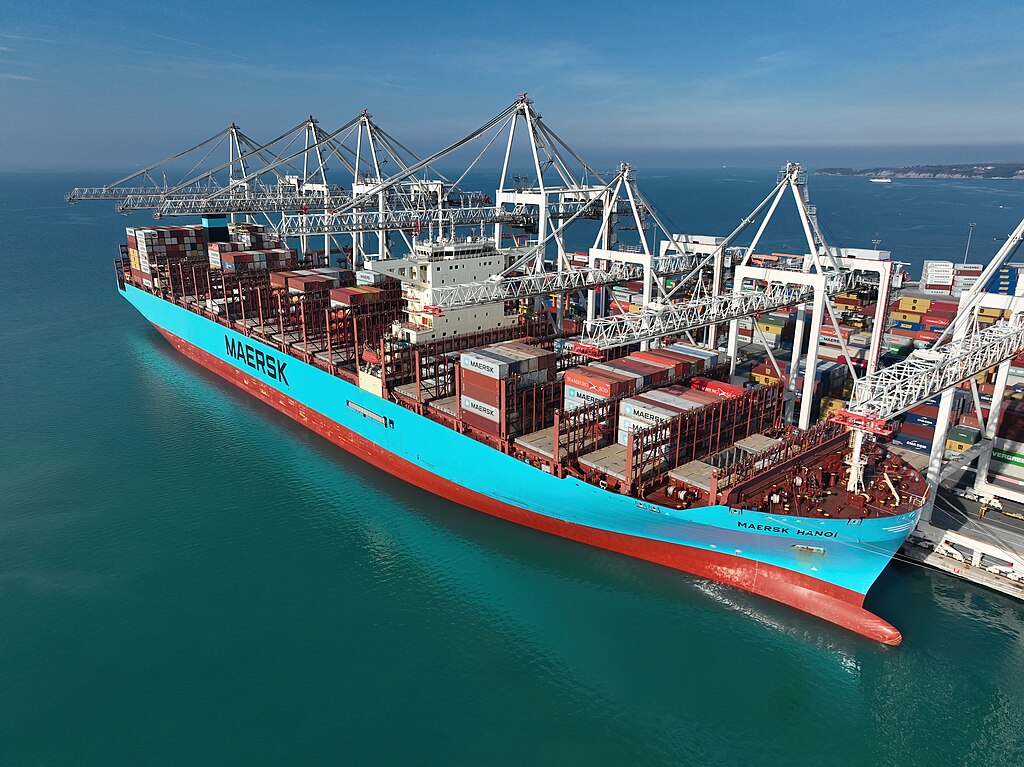
The U.S. trade deficit surged in December as imports hit a record high, driven by businesses rushing to secure foreign-made goods ahead of potential tariffs. The deficit jumped 24.7% to $98.4 billion, the highest since March 2022, as imports climbed 3.5% to $364.9 billion, largely due to increased purchases of finished metals and computers.
The Commerce Department reported significant deficits with China, Mexico, and Canada, all of which have faced tariff threats. President Trump suspended a 25% tariff on Mexican and Canadian goods until next month, while a 10% tariff on Chinese goods took effect Tuesday. Economists suggest businesses may continue stockpiling imports, keeping the deficit elevated.
Capital Economics' Thomas Ryan noted that despite expectations for an export rebound, the trade gap will likely remain wide. Goods imports soared 4% to $293.1 billion, with industrial supplies and materials rising by $10.8 billion, largely from Switzerland. Some analysts believe this surge isn’t solely due to tariff concerns.
Exports fell 2.6% to $266.5 billion, with goods exports declining 4.2%, the most since May 2020. Capital goods, industrial supplies, and consumer goods saw sharp declines, contributing to an 18.2% increase in the goods trade deficit to a record $123.0 billion.
The Institute for Supply Management (ISM) reported that businesses are worried about rising costs and supply shortages from tariffs. Meanwhile, U.S. Treasury yields fell, and Wall Street stocks climbed.
Despite the trade deficit’s impact, the U.S. economy grew at a 2.3% annualized rate in Q4, down from 3.1% in the previous quarter. Analysts see little risk of major GDP revisions but warn that prolonged tariff uncertainty could disrupt economic momentum.













