


 Russian Drone Strikes Hit Kharkiv and Dnipro, Injuring Over 20 Civilians
  Taiwan's MQ-9B SkyGuardian Drone Order Stays on Schedule Despite Middle East Conflict
  Trump-Putin Call Addresses Iran War, Ukraine Peace, and Global Oil Crisis
  Shots Fired at U.S. Consulate in Toronto in Suspected National Security Incident
  Venezuela Names Paula Henao as New Oil Minister Amid U.S.-Led Industry Overhaul
  FBI Warns of Possible Iranian Drone Attacks on California Amid U.S.-Iran War
  U.S. Patriot Missiles Redeployed From South Korea Amid Middle East Conflict
  Boeing Secures $289 Million Smart Bomb Contract With Israel
  Pentagon Taps Wall Street Talent to Manage $200 Billion Defense Investment Fund
  Trump Administration Launches Trade Investigations Against 16 Countries Over Industrial Overcapacity
  Iran-U.S. Oil Tensions Escalate as Revolutionary Guards Threaten Strait of Hormuz Blockade
  Japan's BOJ Independence Under Fire as PM Takaichi's Rate Stance Draws Political Heat
  Iran's Government Remains Stable Despite U.S. and Israeli Strikes, Intelligence Shows
  Trump Administration Spent $5.6 Billion in Munitions in Opening Days of Iran Strikes
  Ukraine Strikes Russian Missile Component Factory in Bryansk Using British Weapons
  U.S. Calls for Reassessment of International Aid to Taliban-Ruled Afghanistan


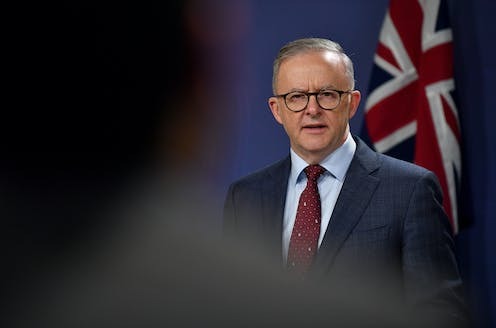
Australian Prime Minister Anthony Albanese confirmed on Friday that three Australian defence personnel were aboard a United States submarine involved in sinking an Iranian warship with a torpedo in the Indian Ocean. However, Albanese emphasized that the Australians did not participate in the offensive operation.
The incident reportedly occurred earlier this week off the southern coast of Sri Lanka. According to authorities, Sri Lankan officials recovered the bodies of 87 sailors following the attack. The strike has drawn global attention because it marks the first time since World War II that the United States has destroyed an enemy vessel using a torpedo in combat.
Albanese clarified that the Australian personnel were present on the submarine as part of a training program connected to the AUKUS security pact. The AUKUS agreement between Australia, the United States, and the United Kingdom aims to strengthen defense cooperation and help Australia develop and operate nuclear-powered submarines. Under the partnership, Australian military members regularly participate in training exercises with allied forces to build operational knowledge and technical experience.
Speaking to Sky News, Albanese stressed that Australia had no direct role in the attack against Iran. “No Australian personnel have participated in any offensive action against Iran,” he said. The prime minister explained that the presence of Australian sailors aboard allied vessels is part of long-standing third-country training arrangements that have existed for years.
Australia, one of the United States’ closest allies, has repeatedly stated that it will not take part in military combat in the current Middle East conflict. Instead, the country has indicated its support for international diplomatic and security efforts aimed at preventing Iran from developing nuclear weapons.
The strike occurred amid rising tensions across the Middle East. On Thursday, U.S. and Israeli aircraft reportedly launched airstrikes targeting several locations across Iran. At the same time, multiple cities across the Gulf region experienced renewed bombardment, highlighting the growing intensity of the regional conflict.
The situation continues to draw international attention as global leaders monitor developments in the Indian Ocean and the wider Middle East, where escalating military actions have raised concerns about broader geopolitical instability.













