


 U.S. Solar Market Contracts in 2025 as Trump Rolls Back Renewable Energy Incentives
  Chinese AI Stocks Surge as Tencent, MiniMax, and Zhipu Launch Agentic AI Programs
  Dollar Strengthens Amid Oil Price Surge and Inflation Fears
  Oil Prices Surge Toward $100/Barrel After Tanker Attacks in Iraqi Waters
  Asian Currencies Face Pressure as U.S.-Iran Conflict Weighs on Markets
  U.S.-Israel War on Iran Sends Crude Oil Prices Surging Amid Strait of Hormuz Tensions
  Diesel Price Surge Threatens Global Economy Amid Middle East Conflict
  ANZ and Westpac Forecast Two RBA Rate Hikes in March and May 2026
  Nations will release an extra 400 million barrels of oil to the market. All we need to do now is not panic at the pump
  Venezuela Names Paula Henao as New Oil Minister Amid U.S.-Led Industry Overhaul
  IEA Releases Record 400 Million Barrels of Oil Amid U.S.-Iran War
  Bank of Japan Expected to Hold Rates at 0.75% Before June Hike Amid Middle East War Uncertainty
  Iran-Israel War Sparks Global Oil Crisis as Tankers Burn in Gulf Waters
  Trump Administration Launches Trade Investigations Against 16 Countries Over Industrial Overcapacity
  U.S. Markets Slip Amid Iran Conflict Uncertainty as Oil Prices Retreat
  German Exports Drop 2.3% in January, Exceeding Forecast Decline
  Asia FX Steady as Iran War Signals and U.S. Inflation Data Weigh on Sentiment


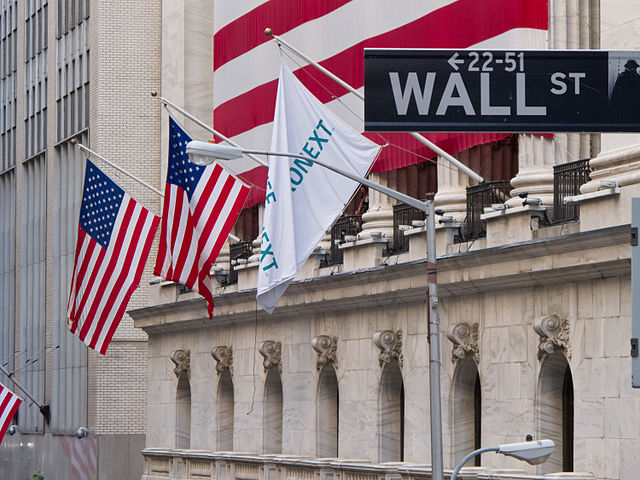
U.S. stock index futures edged lower on Tuesday evening as investors prepared for the final trading session of the year, with market sentiment dampened by thin liquidity, lingering Federal Reserve uncertainty, and fading hopes of a traditional year-end rally. With New Year’s Day falling on Thursday and U.S. bond markets scheduled for an early close on Wednesday, many participants remained on the sidelines, contributing to subdued trading activity.
S&P 500 futures declined about 0.2% to around 6,933 points, while Nasdaq 100 futures also slipped 0.2% to roughly 25,621 points. Dow Jones futures eased by approximately 0.1% to near 48,617 points. The muted movement in futures followed another broadly negative session on Wall Street earlier Tuesday, marking the third consecutive day of losses for major U.S. stock indexes. The S&P 500 finished slightly lower, the Dow Jones Industrial Average posted a modest decline, and the Nasdaq Composite also ended the session down.
Investor sentiment was weighed down by the release of minutes from the Federal Reserve’s December policy meeting. While the Fed delivered a widely expected quarter-point interest rate cut, the minutes revealed notable divisions among policymakers regarding the outlook for rates in 2026. Some officials expressed concern that persistent inflation pressures and economic uncertainty could limit the scope for further easing, while others warned that keeping policy too restrictive for too long could slow economic growth more sharply than intended. These mixed signals added to market unease and reinforced a cautious near-term outlook.
Hopes for a Santa Claus rally, a seasonal pattern that often brings gains in the final days of December and early January, have steadily faded as stocks drift lower instead. Analysts pointed to narrow market leadership, year-end profit-taking after a strong overall performance in 2024, and limited fresh economic data as key factors restraining optimism.
With few major economic releases scheduled during the holiday-shortened week, markets are likely to remain driven by technical factors, shifting interest rate expectations, and year-end portfolio adjustments. As liquidity remains thin, even modest news or positioning changes could continue to influence U.S. stock futures in the final hours of the trading year.













