


 Dollar Steadies as Traders Await Clarity on U.S.-Israel-Iran War
  Asian Currencies Face Pressure as U.S.-Iran Conflict Weighs on Markets
  RBA Rate Decision: Deputy Governor Signals Genuine Debate Ahead of March Meeting
  German Exports Drop 2.3% in January, Exceeding Forecast Decline
  Diesel Price Surge Threatens Global Economy Amid Middle East Conflict
  China's Trade Surplus Surges Past Forecasts in Early 2026
  U.S. Markets Slip Amid Iran Conflict Uncertainty as Oil Prices Retreat
  Gold Prices Slip as U.S.-Israel-Iran War Fuels Dollar and Oil Demand
  U.S. Solar Market Contracts in 2025 as Trump Rolls Back Renewable Energy Incentives
  Iran-Israel War Sparks Global Oil Crisis as Tankers Burn in Gulf Waters
  Venezuela Names Paula Henao as New Oil Minister Amid U.S.-Led Industry Overhaul
  Nations will release an extra 400 million barrels of oil to the market. All we need to do now is not panic at the pump
  Gold Prices Climb Above $5,200 as Iran War Uncertainty and Inflation Data Loom
  Bank of Japan Expected to Hold Rates at 0.75% Before June Hike Amid Middle East War Uncertainty
  ANZ and Westpac Forecast Two RBA Rate Hikes in March and May 2026
  IEA Releases Record 400 Million Barrels of Oil Amid U.S.-Iran War
  UK Housing Market Slows Amid Geopolitical Tensions and Mortgage Rate Fears


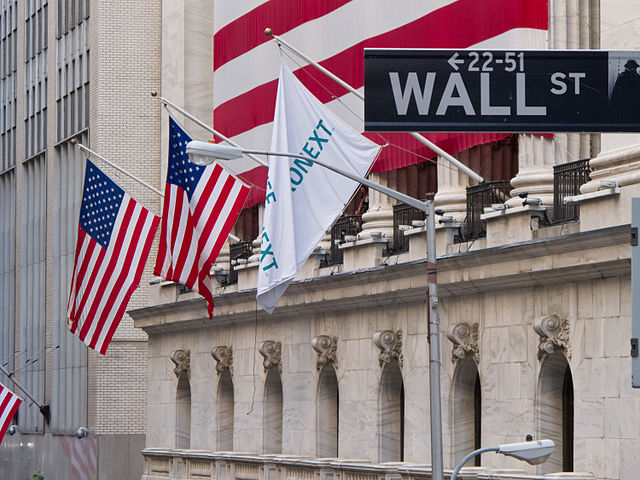
U.S. stock index futures fell sharply on Sunday evening after former President Donald Trump announced plans to impose new trade tariffs on several European countries, unsettling global markets and driving investors toward safe-haven assets. The comments sparked renewed concerns about trade tensions, geopolitical risk, and their potential impact on the global economy, sending gold prices to a fresh record high in late trading.
As of 18:41 ET (23:41 GMT), S&P 500 futures dropped 0.7% to 6,930.0 points. Nasdaq 100 futures declined nearly 1% to 25,437.50 points, while Dow Jones futures fell 0.6% to 49,269.0 points. Trading volumes remained thin ahead of Monday’s Martin Luther King Jr. Day holiday, amplifying market volatility. The declines followed a mildly negative session on Friday, with investors already cautious ahead of a busy earnings calendar.
Market sentiment deteriorated after Trump said he would impose an additional 10% tariff starting February 1 on goods imported from Denmark, Norway, Sweden, France, Germany, the Netherlands, Finland, and Britain. He added that the tariffs could rise to as much as 25% by June if negotiations over Greenland fail to produce a deal. The remarks reignited fears of a broader trade conflict between the U.S. and Europe, particularly as several European governments, including France, signaled potential retaliatory measures.
Trump reiterated his long-standing stance that Greenland should become part of the United States, arguing it is critical for national security. Greenland is a self-governing territory under the Kingdom of Denmark, and the proposal has been widely rejected by European leaders. The rhetoric drew additional attention given Trump’s earlier suggestion of possible military involvement and heightened geopolitical tensions following a U.S. incursion in Venezuela earlier this year.
Looking ahead, investors are shifting focus to key fourth-quarter earnings reports expected this week. Netflix, Johnson & Johnson, 3M, U.S. Bancorp, Charles Schwab, Prologis, and Halliburton are among major companies set to report results. These earnings will be closely analyzed for insights into consumer demand, corporate profitability, and the broader U.S. economic outlook, especially after mixed signals from major bank earnings last week.













