


 Iran-U.S. Oil Tensions Escalate as Revolutionary Guards Threaten Strait of Hormuz Blockade
  Oil Prices Surge Toward $100/Barrel After Tanker Attacks in Iraqi Waters
  U.S. Solar Market Contracts in 2025 as Trump Rolls Back Renewable Energy Incentives
  Gold Prices Slip as U.S.-Israel-Iran War Fuels Dollar and Oil Demand
  IEA Releases Record 400 Million Barrels of Oil Amid U.S.-Iran War
  Dollar Stabilizes Amid Iran War Uncertainty as Oil Prices Remain Elevated
  Asian Markets Retreat as Oil Prices Surge Toward $100 Amid Middle East Tensions
  Venezuela Names Paula Henao as New Oil Minister Amid U.S.-Led Industry Overhaul
  U.S.-Israel War on Iran Sends Crude Oil Prices Surging Amid Strait of Hormuz Tensions
  Asian Stock Markets Rise as Oil Prices Pull Back; U.S. CPI in Focus
  Nations will release an extra 400 million barrels of oil to the market. All we need to do now is not panic at the pump
  Trump Administration Launches Trade Investigations Against 16 Countries Over Industrial Overcapacity
  China's Trade Surplus Surges Past Forecasts in Early 2026
  German Exports Drop 2.3% in January, Exceeding Forecast Decline
  UK Housing Market Slows Amid Geopolitical Tensions and Mortgage Rate Fears
  U.S. Futures Slide as Oil Prices Surge on Middle East Shipping Attacks
  RBA Rate Decision: Deputy Governor Signals Genuine Debate Ahead of March Meeting


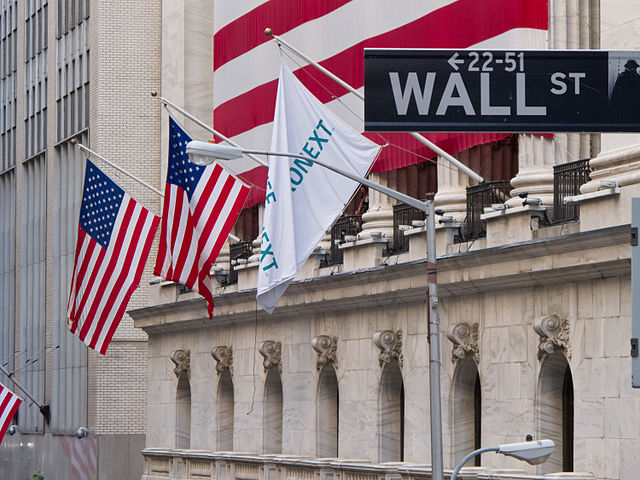
U.S. stock index futures rose modestly on Tuesday evening following Wall Street’s sharpest losses in three months, as investors continued to digest escalating geopolitical tensions linked to President Donald Trump’s renewed push to acquire Greenland. Market sentiment remained fragile despite the slight rebound in futures, with traders cautious after a turbulent regular session.
By late evening trading, S&P 500 Futures gained 0.1% to 6,838.0 points, while Nasdaq 100 Futures and Dow Jones Futures also inched up 0.1% to 25,152.75 points and 48,727.0 points, respectively. The muted move reflected lingering uncertainty after U.S. equities sold off aggressively earlier in the day.
Netflix was a notable laggard in after-hours trading, sliding nearly 5%. Although the streaming giant beat expectations for its December-quarter earnings, investors focused on weaker-than-expected guidance for the first quarter and beyond. The company cited declining viewership for non-branded licensed content, signaling softer demand outside its flagship original programming. Netflix’s longer-term outlook for 2026 also fell short of market forecasts, adding pressure to the stock.
The earnings season remains in focus as investors look for clarity amid volatile macro conditions. Several major companies are set to report in the coming days, including Johnson & Johnson, Charles Schwab, and Prologis on Wednesday, followed by Procter & Gamble, GE Aerospace, Intel, Abbott Laboratories, and Intuitive Surgical on Thursday. In contrast to Netflix, United Airlines surged about 5% in late trading after posting strong quarterly results and issuing upbeat guidance.
Geopolitics played a central role in Tuesday’s market selloff. Wall Street was rattled after President Trump threatened tariffs against eight European nations unless they agreed to negotiations over Greenland, a Danish territory. European leaders firmly rejected the proposal, intensifying diplomatic tensions. Trump is expected to address the World Economic Forum in Davos and meet with European officials, further fueling uncertainty over U.S. foreign policy.
During the regular session, the S&P 500 fell 2.1%, the Nasdaq Composite dropped 2.4%, and the Dow Jones Industrial Average declined 1.8%. Investors were already wary following reports of a U.S. incursion in Venezuela earlier this year, reinforcing concerns that geopolitical risks could continue to weigh heavily on U.S. stock markets.













