


 Gérald Darmanin Backs Édouard Philippe for 2027 French Presidential Election
  Gaza Zoo Struggles to Save Animals Amid War
  UN Chief Raises Concern Over US Sanctions on ICC Officials
  Trump Eyes 15% Tariff on Canadian Auto Imports in New Trade Deal
  Israel Strikes Syrian Airbase Near Aleppo, Raising Tensions With Turkey
  South Korea’s Lee Calls for Stronger Defence as US Eyes Reduced Joint Drills
  Trump Says Kim Jong Un Responded to Outreach After US Scales Back South Korea Military Drills
  Philippines Confident in U.S. Defense Commitment Despite Middle East Redeployment
  Erdogan Urges Trump to Resume Iran Talks, Offers Turkey’s Support for Peace Efforts
  Israeli Airstrikes Kill 10 Palestinians in Gaza as Ceasefire Diplomacy Stalls
  Trump Eyes Kim Jong Un Meeting, Cites North Korea’s 57 Nuclear Weapons
  Russia-Ukraine Drone Attacks Escalate as Strikes Hit Moscow, Kyiv and Romania
  Israeli Airstrike Kills Six Palestinians in Gaza as Trump Peace Plan Stalls
  Trump Administration Allocates $206 Million for Gaza Peacekeeping Force
  US, South Korea Cut Joint Military Drills After Trump Orders Reduced Role
  Trump Says Iran Talks Halted as Hormuz Dispute Pushes Oil Higher
  Trump Pauses 50% Canada Tariffs for Three Days as U.S. Trade Deal Takes Shape


 Add as a preferred source on Google
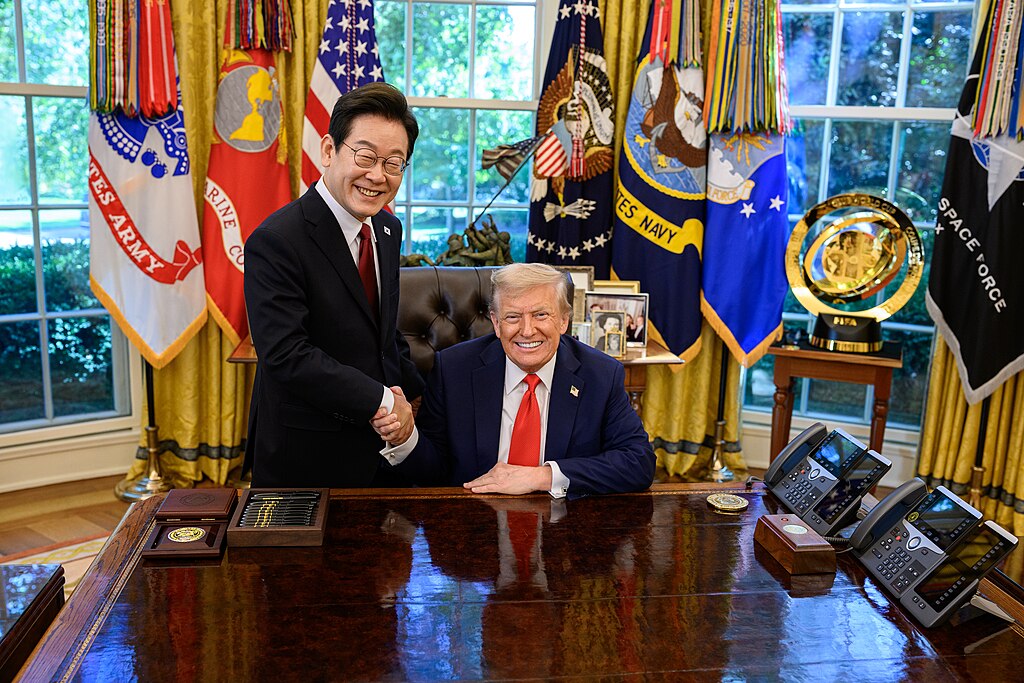
South Korea and the United States have shortened their annual Ulchi Freedom Shield military drills from 11 days to five following President Donald Trump’s order to substantially reduce U.S. participation, as Washington signals renewed interest in diplomacy with North Korea.
The exercise, which began August 17, will now end August 21 instead of August 27, according to South Korea’s Joint Chiefs of Staff (JCS) and a U.S. Department of Defense official. Some combined field training will also be reduced, while certain live-training activities have been cancelled or replaced with simulations.
South Korean Defence Minister Ahn Gyu-back said the allies were moving to cancel the second phase of the drills, which was expected to include counterattack operations following an initial defensive phase.
The Pentagon said the changes would preserve essential military readiness and would not undermine U.S. training objectives.
Trump ordered the reduction on Sunday, citing his relationship with North Korean leader Kim Jong Un. The move has fueled speculation that Washington is seeking to restart stalled U.S.-North Korea diplomacy.
South Korean President Lee Jae Myung welcomed Trump’s decision, saying it demonstrated an effort to create conditions for dialogue and peace on the Korean Peninsula.
However, Kim Yo Jong, Kim Jong Un’s influential sister, dismissed the scaled-back drills, arguing that their provocative and aggressive nature remained unchanged. She nevertheless said her brother retained positive personal memories and feelings toward Trump and described relations between the two leaders as excellent.
North Korea also condemned the U.S.-South Korea exercises as a threat and vowed to maintain its right to self-defence. Pyongyang has long characterized the joint drills as rehearsals for invasion, while Seoul and Washington insist they are defensive.
The developments coincide with Chinese Foreign Minister Wang Yi’s visit to South Korea for regional security discussions. Wang reportedly urged Washington to change what Beijing considers its “hostile policy” toward Pyongyang.
Meanwhile, Trump has reportedly pushed for another face-to-face meeting with Kim, potentially during a trip to Asia later this year, although no meeting has been officially confirmed.







