


 Judge Rules Use of Military Lawyers in Civilian Prosecutions Is Lawful
  US to Withdraw 5,000 Troops from Germany Amid Growing Rift with European Allies
  U.S.-China Beef Trade Deal Hopes Rise Ahead of Trump-Xi Summit
  Israel Expands Gaza Restricted Zones, Raising Concerns for Civilians and Aid Access
  Ghana Rejects U.S. Health Deal Over Data Sharing Concerns Amid Foreign Aid Shift
  Judge Rules DOGE Humanities Grant Cuts Unconstitutional
  US Reviews Mexican Consulates Amid Rising Diplomatic Tensions
  US Revises UN Resolution on Iran Strait of Hormuz Attacks Amid Russia-China Opposition
  U.S. Budget Airlines Seek $2.5 Billion Government Aid Amid Rising Jet Fuel Costs
  Federal and State Authorities Conduct Widespread Fraud Raids Across Minnesota
  Trump Says U.S. Navy Destroyers Passed Strait of Hormuz Under Iranian Fire
  Rubio Presses Italy Over Iran Support as Tensions Test U.S.-Italy Alliance
  Judge Delays SEC Settlement With Elon Musk Over Twitter Stock Disclosure Case
  Senate Stablecoin Bill Sparks Clash Between Banks and Crypto Industry
  Trump Expands Cuba Sanctions Targeting Key Sectors and Foreign Entities
  Pope Leo Calls for Peace as Vatican Seeks Better Ties With U.S.
  Israel’s Secret Iraq Base Allegedly Supported Iran Air Campaign, WSJ Reports


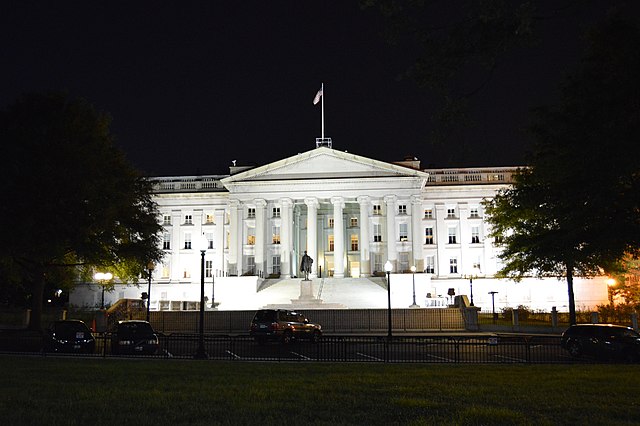
The administration of President Donald Trump has lifted U.S. sanctions on three executives connected to the controversial spyware consortium Intellexa, according to a notice published on the U.S. Treasury Department’s website. The decision partially rolls back sanctions imposed last year under former President Joe Biden, which targeted individuals accused of supporting the development and global spread of invasive surveillance technologies.
The sanctions removal applies to Sara Hamou, Andrea Gambazzi, and Merom Harpaz, all of whom were previously accused by U.S. authorities of playing key roles within Intellexa. Hamou was alleged to have provided managerial services to the consortium, Gambazzi’s company was said to have held distribution rights to Intellexa’s Predator spyware, and Harpaz was described as a senior executive within the organization. None of the three individuals immediately responded to requests for comment following the announcement.
In an email statement, the Treasury Department said the move followed a formal petition for reconsideration and was part of a “normal administrative process.” Officials added that each of the individuals demonstrated actions to distance themselves from Intellexa, which contributed to the decision to lift the sanctions. The remaining individuals sanctioned last year, including Intellexa founder Tal Dilian, remain on the U.S. sanctions list.
Intellexa, founded by former Israeli intelligence official Dilian, has drawn international scrutiny for its flagship Predator spyware. The software has been linked to a major surveillance scandal in Greece, involving allegations that journalists, political figures, and private citizens were illegally monitored. In addition, investigative reporting in 2023 claimed that the Vietnamese government attempted to use Intellexa’s tools to hack members of the U.S. Congress, further intensifying global concerns over the misuse of commercial spyware.
When the sanctions were first announced in March of last year, U.S. officials accused Intellexa of enabling the spread of spyware to authoritarian governments and facilitating covert surveillance of U.S. officials, journalists, and policy experts. While Dilian has denied wrongdoing in the Greek case and has not publicly addressed the alleged hacking attempts, the controversy surrounding Intellexa and commercial spyware continues to shape international debates on digital surveillance, cybersecurity, and human rights.







