


 Russian Drone Strikes Hit Kharkiv and Dnipro, Injuring Over 20 Civilians
  Trump Doubts Iran Mining Reports as Strait of Hormuz Tensions Escalate
  Taiwan's MQ-9B SkyGuardian Drone Order Stays on Schedule Despite Middle East Conflict
  Trump Administration Spent $5.6 Billion in Munitions in Opening Days of Iran Strikes
  U.S. Patriot Missiles Redeployed From South Korea Amid Middle East Conflict
  Iran Mines Strait of Hormuz: Crude Oil Prices Surge Amid Middle East Tensions
  Anthropic Sues Pentagon Over AI Blacklist, Citing Free Speech Violations
  Japan's BOJ Independence Under Fire as PM Takaichi's Rate Stance Draws Political Heat
  U.S. Senate Greenlights AI Chatbots for Official Staff Use
  Shots Fired at U.S. Consulate in Toronto in Suspected National Security Incident
  IEA Releases Record 400 Million Barrels of Oil Amid U.S.-Iran War
  Boeing Secures $289 Million Smart Bomb Contract With Israel
  Trump Announces New U.S. Oil Refinery in Texas with Indian Energy Giant Reliance
  Ukraine Strikes Russian Missile Component Factory in Bryansk Using British Weapons
  Israel-Iran War: Herzog Urges Patience as U.S. and Israeli Strikes Intensify
  Iran-Israel War Sparks Global Oil Crisis as Tankers Burn in Gulf Waters


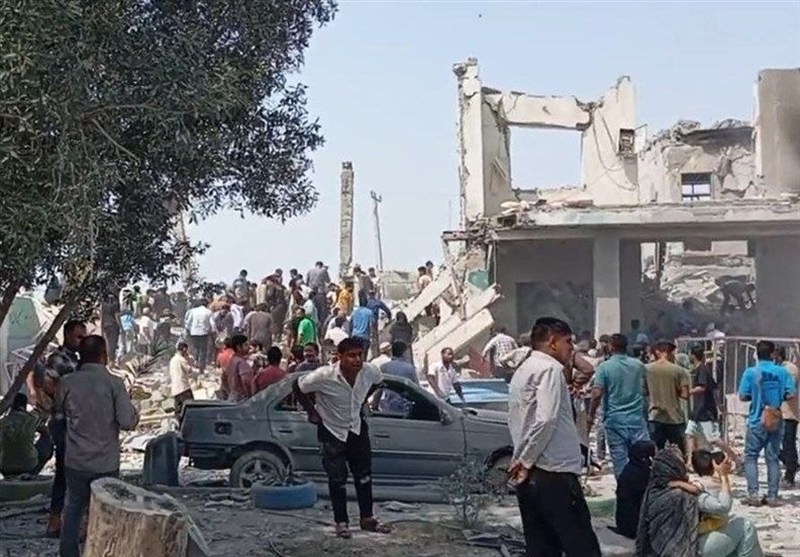
U.S. lawmakers from both parties are raising concerns about the lack of a clear “day-after” strategy for Iran following joint U.S.-Israeli airstrikes that reportedly killed Supreme Leader Ayatollah Ali Khamenei and dozens of senior officials. President Donald Trump has called for regime change in Iran, urging the Iranian people to determine their own future after decades under the Islamic Republic. However, members of Congress remain divided over what comes next.
While many Republicans expressed optimism about the military operation, Democrats questioned whether airstrikes alone can lead to meaningful political change. Senator Tom Cotton, chair of the Senate Intelligence Committee, acknowledged there is “no simple answer” regarding Iran’s future. Senator Lindsey Graham dismissed comparisons to past U.S. interventions in Iraq, Germany, or Japan, arguing that the U.S. does not “own” the outcome in Iran.
Following Khamenei’s death, Iran initiated a transitional process in which a three-person council will temporarily govern until a new supreme leader is selected. Despite this, uncertainty remains high. Democratic Senator Chris Coons noted that modern history offers no examples of regime change achieved solely through air power. Intelligence assessments prior to the strikes suggested that hardline Islamic Revolutionary Guard Corps figures could consolidate control if Iran’s top leadership were eliminated.
The conflict has already escalated tensions across the Middle East. Three U.S. service members have been killed, and several others wounded. Iranian retaliation has disrupted global shipping, oil markets, and air travel, particularly around the strategic Strait of Hormuz, raising concerns about rising energy prices.
Some Democrats argue the strikes constitute a “war of choice,” claiming Congress did not authorize military action and that no imminent threat was presented. Lawmakers from both sides have voiced opposition to deploying U.S. ground troops, emphasizing the need to avoid another prolonged Middle East conflict similar to the Iraq War.
As Trump signals that military operations could continue for weeks, questions remain about Iran’s leadership transition, regional stability, and the broader impact on U.S. national security and global energy markets.













