


 JD Vance Says Britain Needs Major Political Change as Leadership Transition Looms
  Fortescue Faces Class Action Over Sexual Harassment Claims at Australian Mining Sites
  California Drivers Sue BP, Walmart, 7-Eleven Over Alleged AI Gas Price Fixing
  US Egg Producers Settle Price Manipulation Probe, Agree to Pay $3.3 Million and Donate 53 Million Eggs
  US Judge Seeks Explanation for DOJ’s Decision to Drop Gautam Adani Bribery Case
  Massive Funeral Procession for Ayatollah Ali Khamenei Draws Huge Crowds in Tehran
  Apple Challenges India Antitrust Probe, Says CCI Copied Rivals’ Claims in App Store Case
  Iran Holds State Funeral for Ali Khamenei as Security Fears Shape Succession
  Russia Strikes Kyiv as Ukraine Faces Patriot Missile Shortage Before NATO Summit
  Bayer Wins Major U.S. Supreme Court Roundup Lawsuit, Shares Surge
  California Court Dismisses Trump Administration Lawsuit Against Los Angeles Sanctuary Policy
  US Supreme Court Strikes Down Hawaii Gun Carry Law on Private Property
  Russia Claims Capture of Kostiantynivka as Putin Pushes Donetsk Offensive
  In a rebuke to Trump, the Supreme Court rules that birthright citizenship is the law of the land
  HSBC Australia Faces A$35M Penalty Over Scam Protection Failures
  Israeli Airstrike Kills Two in Gaza City as Ceasefire Violations and Truce Talks Persist


A U.S. federal judge has temporarily blocked the Trump administration from detaining or deporting Imran Ahmed, a British anti-disinformation campaigner and U.S. permanent resident, following a legal challenge over an entry ban linked to allegations of online censorship. The ruling adds to an escalating debate over free speech, immigration law, and the regulation of major U.S. technology companies.
Ahmed, 47, is the CEO of the U.S.-based Center for Countering Digital Hate and lives in New York with his wife and child, both U.S. citizens. On Tuesday, Washington imposed visa bans on Ahmed and four European figures, including former EU commissioner Thierry Breton, accusing them of promoting online censorship and unfairly targeting U.S. tech firms through heavy regulation. Ahmed is believed to be the only individual affected who is currently inside the United States.
The visa restrictions sparked backlash from European governments, which argue that disinformation monitoring and digital regulations are essential to making the internet safer. They contend such efforts help combat false information, hate speech, and child sexual abuse material, while holding large technology platforms accountable.
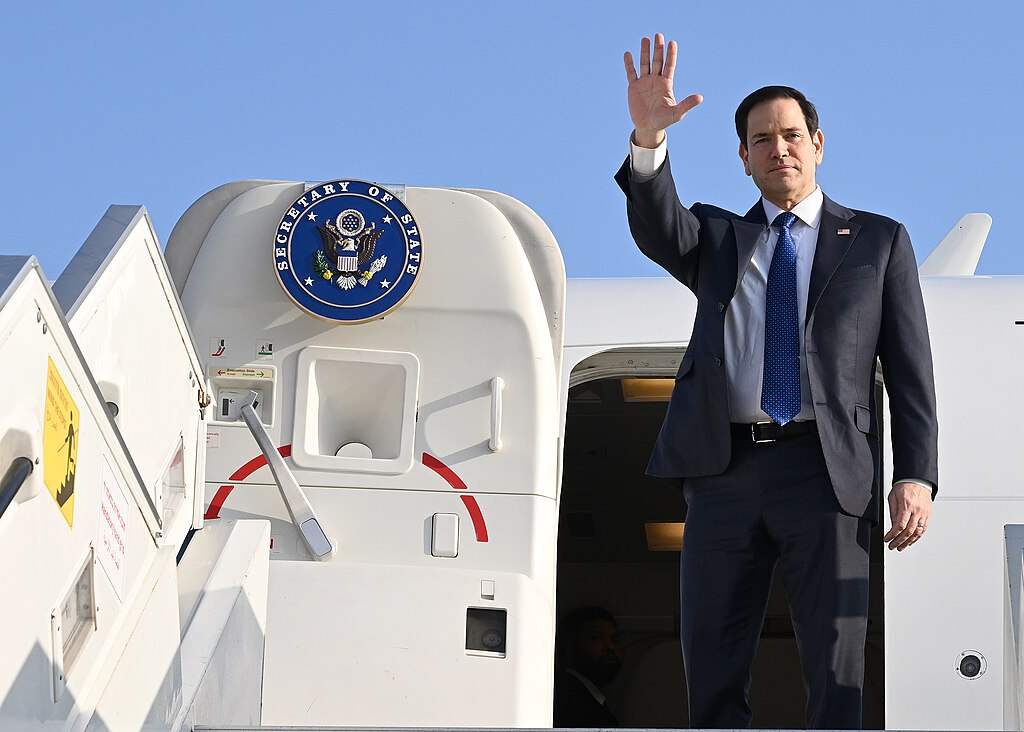
Concerned about imminent deportation, Ahmed filed a lawsuit on Wednesday in the Southern District of New York against Secretary of State Marco Rubio, Homeland Security Secretary Kristi Noem, and other Trump administration officials. The lawsuit argues that the threat of deportation violates his constitutional rights to free speech and due process.
On Thursday, U.S. District Judge Vernon Broderick issued a temporary restraining order preventing officials from arresting, detaining, or transferring Ahmed before his case is heard. The judge also scheduled a conference between the parties for December 29, ensuring Ahmed remains in the country while legal proceedings continue.
In a statement, Ahmed praised the U.S. legal system’s checks and balances and reaffirmed his commitment to combating online harm, antisemitism, and risks to children from social media. Meanwhile, the State Department defended its position, stating that U.S. law does not obligate the country to allow foreign nationals to enter or remain.
The case follows another high-profile immigration dispute involving Mahmoud Khalil, a U.S. permanent resident linked to pro-Palestinian protests, whose deportation was also blocked by federal judges earlier this year.







