


 Bipartisan Housing Bill Advances in Senate, Aims to Tackle U.S. Affordability Crisis
  Pentagon Taps Wall Street Talent to Manage $200 Billion Defense Investment Fund
  Trump Doubts Iran Mining Reports as Strait of Hormuz Tensions Escalate
  IEA Releases Record 400 Million Barrels of Oil Amid U.S.-Iran War
  Trump Announces New U.S. Oil Refinery in Texas with Indian Energy Giant Reliance
  Boeing Secures $289 Million Smart Bomb Contract With Israel
  Iran-Israel War Sparks Global Oil Crisis as Tankers Burn in Gulf Waters
  FBI Warns of Possible Iranian Drone Attacks on California Amid U.S.-Iran War
  U.S.-Israel War on Iran Sends Crude Oil Prices Surging Amid Strait of Hormuz Tensions
  Trump Administration Spent $5.6 Billion in Munitions in Opening Days of Iran Strikes
  Taiwan's MQ-9B SkyGuardian Drone Order Stays on Schedule Despite Middle East Conflict
  Trump Administration Launches Trade Investigations Against 16 Countries Over Industrial Overcapacity
  Ukraine Strikes Russian Missile Component Factory in Bryansk Using British Weapons
  Japan's BOJ Independence Under Fire as PM Takaichi's Rate Stance Draws Political Heat
  Shots Fired at U.S. Consulate in Toronto in Suspected National Security Incident
  U.S. and Russia Hold Diplomatic Talks in Florida Amid Ongoing Tensions


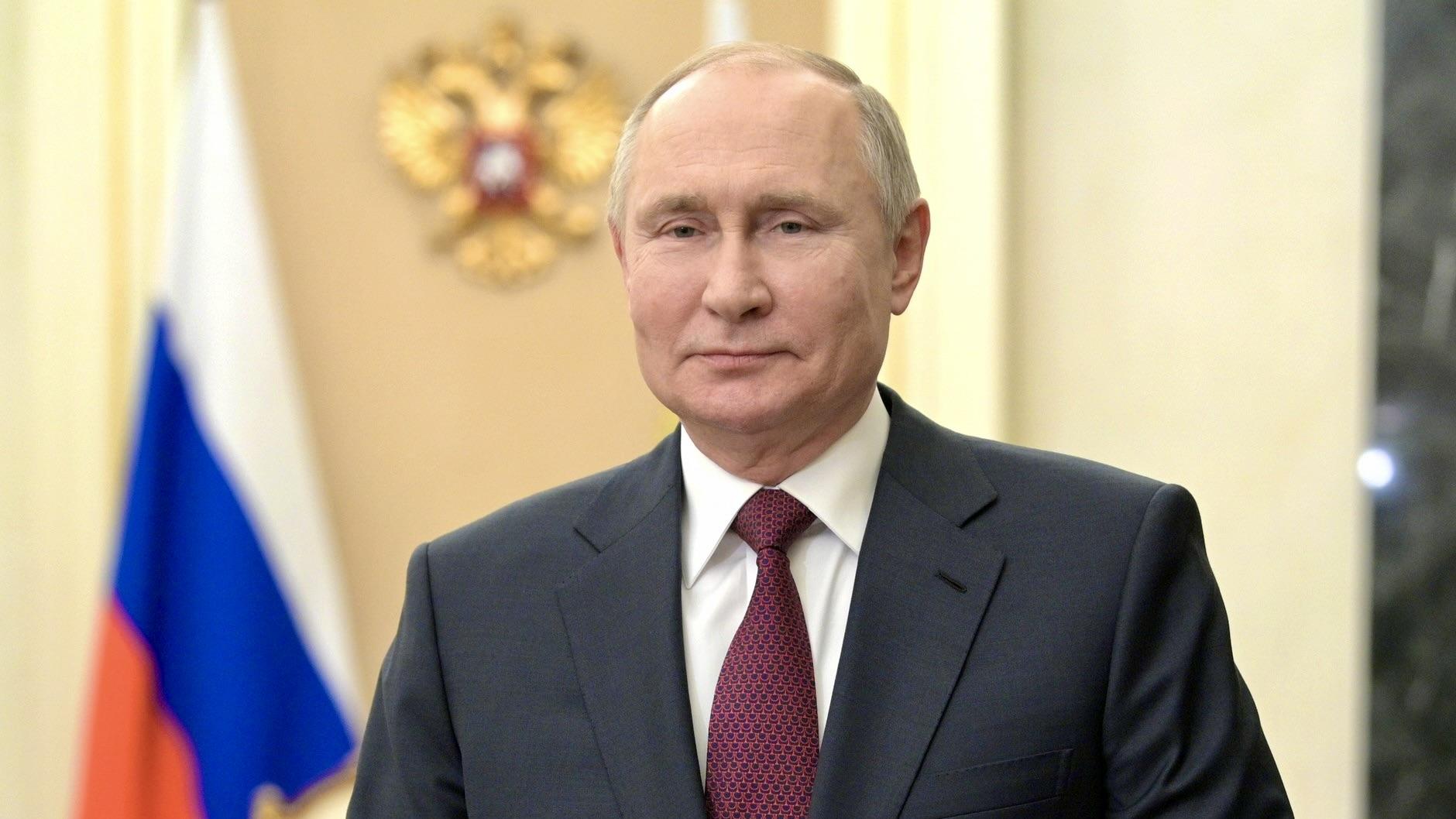
U.S. national security officials have concluded that Ukraine did not attempt to assassinate Russian President Vladimir Putin or target one of his residences in a recent drone incident, according to a Wall Street Journal report published Wednesday. This assessment directly contradicts claims made by Russian authorities, who alleged earlier this week that Ukraine launched a large-scale drone attack aimed at Putin’s property in the Novgorod region.
On Monday, Russia asserted that as many as 91 long-range drones were involved in what it described as an attempted strike on a residence linked to the Russian president. Moscow framed the incident as a serious escalation in the ongoing war and suggested it was a direct threat to Putin’s personal safety. Ukrainian officials swiftly denied the accusation, stating that Ukraine had no involvement in any attack targeting Putin or his personal assets.
The U.S. intelligence finding adds a new dimension to the dispute, casting doubt on the Kremlin’s narrative and raising questions about the accuracy of Russia’s claims. According to the Wall Street Journal, American officials reviewed available intelligence and found no evidence supporting the assertion that Ukraine carried out a targeted drone strike against the Russian leader or his residence. While details of the intelligence review were not made public, the conclusion underscores skepticism among Western officials regarding Russia’s version of events.
Despite the lack of corroborating evidence, Russia responded forcefully to the alleged incident. Kremlin officials vowed retaliation and warned that the purported attack would influence Russia’s stance on future peace negotiations with Ukraine and Western countries. Such statements heightened concerns about further escalation in a conflict that has already strained international relations and global security.
The situation highlights the broader information war surrounding the Russia-Ukraine conflict, where competing narratives and unverified claims frequently emerge. For Ukraine, the U.S. assessment reinforces its repeated position that it does not conduct attacks aimed at assassinating foreign leaders. For Western allies, the findings emphasize the importance of independently verifying claims made by parties to the conflict before drawing conclusions or shaping policy responses.
As the war continues, incidents like this underscore how allegations of high-profile attacks can quickly inflame tensions, even when evidence remains disputed.













