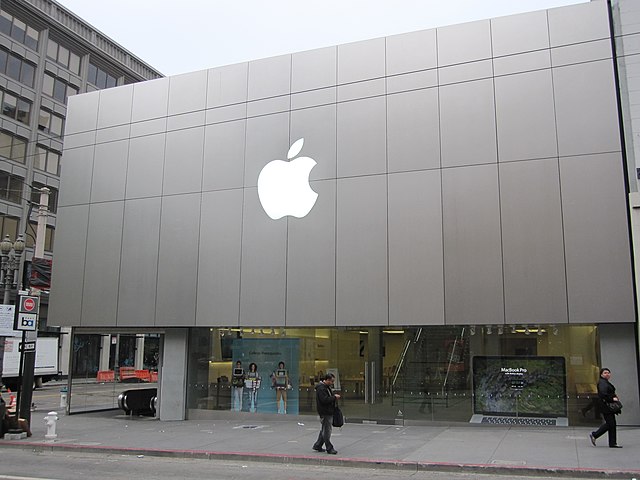
Apple’s major Asian suppliers came under heavy selling pressure on Friday after the iPhone maker announced significant price increases for its MacBook and iPad lineup, fueling concerns that rising semiconductor costs are beginning to impact consumer demand and the broader technology sector.
The selloff followed a sharp decline in Apple Inc. shares, which dropped more than 6% overnight, erasing approximately $250 billion in market value. The market reaction overshadowed optimism generated earlier this week by Micron Technology’s strong artificial intelligence-driven earnings outlook, shifting investor focus toward the growing cost pressures facing consumer electronics manufacturers.
South Korean chipmakers recorded some of the steepest losses. SK Hynix plunged 9.4%, while Samsung Electronics fell 9.2%, extending recent declines despite reports that both companies are preparing major long-term investments in semiconductor production and AI infrastructure. As key suppliers of DRAM and NAND memory chips used in Apple’s iPhones, iPads, and Mac computers, both firms remain highly exposed to changes in Apple’s hardware demand.
Apple’s camera and component suppliers also traded lower. LG Innotek, the company’s primary supplier of premium iPhone camera modules, declined 3.8%. China’s Luxshare Precision, which assembles AirPods, Apple Watches, and a growing share of iPhones, dropped 9.4%, reflecting concerns that weaker consumer demand could affect production volumes.
Japanese suppliers were not spared from the broader technology selloff. TDK, a major supplier of battery technology for Apple devices, slid 8.2%, while Murata Manufacturing, known for its multilayer ceramic capacitors used across Apple products, lost 6.9%. Sony, whose image sensors power many iPhone camera systems, slipped nearly 1%.
Taiwan-based Apple suppliers proved comparatively resilient. Taiwan Semiconductor Manufacturing Co. (TSMC), Apple’s exclusive producer of A-series and M-series chips, traded largely unchanged. Foxconn, the world’s largest iPhone assembler, also remained relatively stable, while LARGAN Precision, a leading supplier of high-end iPhone camera lenses, experienced only modest movement.
The decline across Apple’s supplier network underscores a rapid shift in investor sentiment. While AI-related semiconductor demand continues to support long-term growth expectations, Apple’s decision to raise hardware prices has intensified concerns about inflationary pressures, higher memory costs, and their potential impact on consumer spending. Investors are increasingly reassessing companies with significant exposure to Apple’s product ecosystem as the market weighs whether rising production costs could slow device sales and weaken future earnings across the global technology supply chain.