


 Mexico's Electoral Reform Bill Fails in Congress as Coalition Fractures
  Trump Announces New U.S. Oil Refinery in Texas with Indian Energy Giant Reliance
  Israel-Iran War: Herzog Urges Patience as U.S. and Israeli Strikes Intensify
  Trump-Putin Call Addresses Iran War, Ukraine Peace, and Global Oil Crisis
  Japan's BOJ Independence Under Fire as PM Takaichi's Rate Stance Draws Political Heat
  Russian Drone Strikes Hit Kharkiv and Dnipro, Injuring Over 20 Civilians
  U.S.-Israel War on Iran Sends Crude Oil Prices Surging Amid Strait of Hormuz Tensions
  Iran's Government Remains Stable Despite U.S. and Israeli Strikes, Intelligence Shows
  Iran-Israel War Sparks Global Oil Crisis as Tankers Burn in Gulf Waters
  Iran Mines Strait of Hormuz: Crude Oil Prices Surge Amid Middle East Tensions
  Trump Administration Spent $5.6 Billion in Munitions in Opening Days of Iran Strikes
  Trump Hints at Possible U.S. Takeover of Cuba Amid Deepening Humanitarian Crisis
  After the Iran war, Persian Gulf nations face tough decisions on the US – a former diplomat explains
  Pentagon Taps Wall Street Talent to Manage $200 Billion Defense Investment Fund
  FBI Warns of Possible Iranian Drone Attacks on California Amid U.S.-Iran War
  U.S. and Russia Hold Diplomatic Talks in Florida Amid Ongoing Tensions


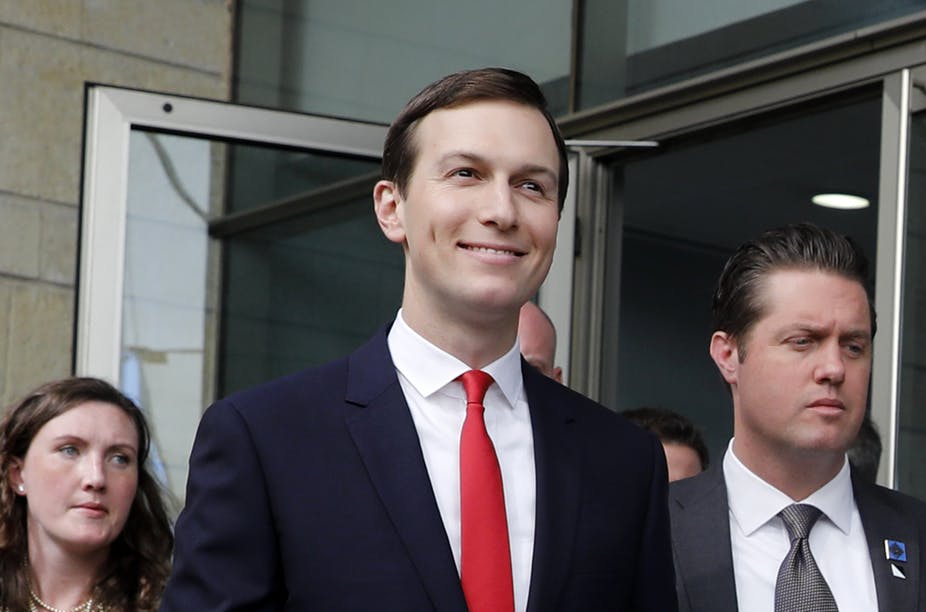
Senior officials from the United States, Europe, and Ukraine concluded three days of high-level talks in Florida aimed at advancing efforts to end Russia’s war in Ukraine, with discussions centered on aligning positions and next steps toward peace. U.S. special envoy Steve Witkoff described the meetings as “productive and constructive,” highlighting progress on a shared strategic approach among Washington, Kyiv, and European partners.
The talks come as U.S. President Donald Trump continues to push both Russia and Ukraine toward a negotiated settlement to end the nearly four-year-long conflict. However, major obstacles remain. Russia has insisted on retaining Ukrainian territories it currently occupies, while Ukraine has firmly rejected any concessions involving its sovereign land.
Over the weekend, Witkoff met separately with Russian negotiators, including Kirill Dmitriev, a special envoy of Russian President Vladimir Putin. Witkoff later emphasized that those discussions were also constructive, adding that Russia had expressed appreciation for U.S. mediation efforts. Moscow reiterated its claim of being committed to peace, although skepticism remains among Western officials.
On Sunday, Witkoff and Trump adviser Jared Kushner met with European and Ukrainian officials in Miami, followed by a separate session with the Ukrainian delegation led by senior official Rustem Umerov. According to Witkoff, the U.S.-Ukraine discussions focused on four core issues: further development of a U.S.-drafted 20-point peace plan, multilateral security guarantees, direct U.S. security commitments to Ukraine, and economic rebuilding and long-term prosperity.
Negotiators also concentrated on timelines and the sequencing of future steps, an issue seen as critical for maintaining momentum. While U.S., Ukrainian, and European officials have reported progress on security guarantees for Kyiv, it remains unclear whether Moscow will accept those terms.
Meanwhile, U.S. intelligence assessments continue to suggest that President Putin has not fully abandoned his territorial ambitions in Ukraine. Senator Lindsey Graham said it remains uncertain whether Russia will accept the current proposal, warning that a rejection could lead to tougher measures, including seizing ships carrying sanctioned Russian oil.
As diplomatic efforts intensify, the outcome of these talks could shape the next phase of the Russia-Ukraine war and broader European security.













