


 U.S.-Israel War on Iran Sends Crude Oil Prices Surging Amid Strait of Hormuz Tensions
  Israel-Iran War: Herzog Urges Patience as U.S. and Israeli Strikes Intensify
  Russian Drone Strikes Hit Kharkiv and Dnipro, Injuring Over 20 Civilians
  U.S. Senate Greenlights AI Chatbots for Official Staff Use
  Trump-Putin Call Addresses Iran War, Ukraine Peace, and Global Oil Crisis
  Venezuela Names Paula Henao as New Oil Minister Amid U.S.-Led Industry Overhaul
  Iran Mines Strait of Hormuz: Crude Oil Prices Surge Amid Middle East Tensions
  Trump Announces New U.S. Oil Refinery in Texas with Indian Energy Giant Reliance
  Ukraine Strikes Russian Missile Component Factory in Bryansk Using British Weapons
  Trump Administration Launches Trade Investigations Against 16 Countries Over Industrial Overcapacity
  Iran-U.S. Oil Tensions Escalate as Revolutionary Guards Threaten Strait of Hormuz Blockade
  U.S. Patriot Missiles Redeployed From South Korea Amid Middle East Conflict
  IEA Releases Record 400 Million Barrels of Oil Amid U.S.-Iran War
  Trump Administration Spent $5.6 Billion in Munitions in Opening Days of Iran Strikes
  Trump Doubts Iran Mining Reports as Strait of Hormuz Tensions Escalate
  U.S. Calls for Reassessment of International Aid to Taliban-Ruled Afghanistan
  After the Iran war, Persian Gulf nations face tough decisions on the US – a former diplomat explains


The U.S. Coast Guard is waiting for specialized reinforcements before deciding whether to board and seize a Venezuela-linked oil tanker it has been pursuing since Sunday, according to U.S. officials cited by Reuters. The vessel, identified by maritime tracking groups as the Bella 1, has repeatedly refused Coast Guard requests to allow boarding, escalating the standoff and drawing attention to the operational limits of the agency.
Because the tanker has denied consent, any boarding would likely need to be conducted by one of only two Maritime Security Response Teams, elite Coast Guard units trained to forcibly board vessels, including by rappelling from helicopters. These highly specialized teams are in limited supply, and officials indicated that the nearest unit was too far away to act immediately.
The pursuit underscores the challenges facing the Coast Guard as it enforces U.S. sanctions against Venezuela’s oil trade. Earlier this month, President Donald Trump ordered what his administration described as a “blockade” of sanctioned oil tankers entering or leaving Venezuela, part of a broader effort to increase pressure on President Nicolás Maduro. While the U.S. Navy has significant assets in the Caribbean, it cannot conduct law enforcement actions such as seizures, leaving the Coast Guard as the primary agency responsible for these operations.
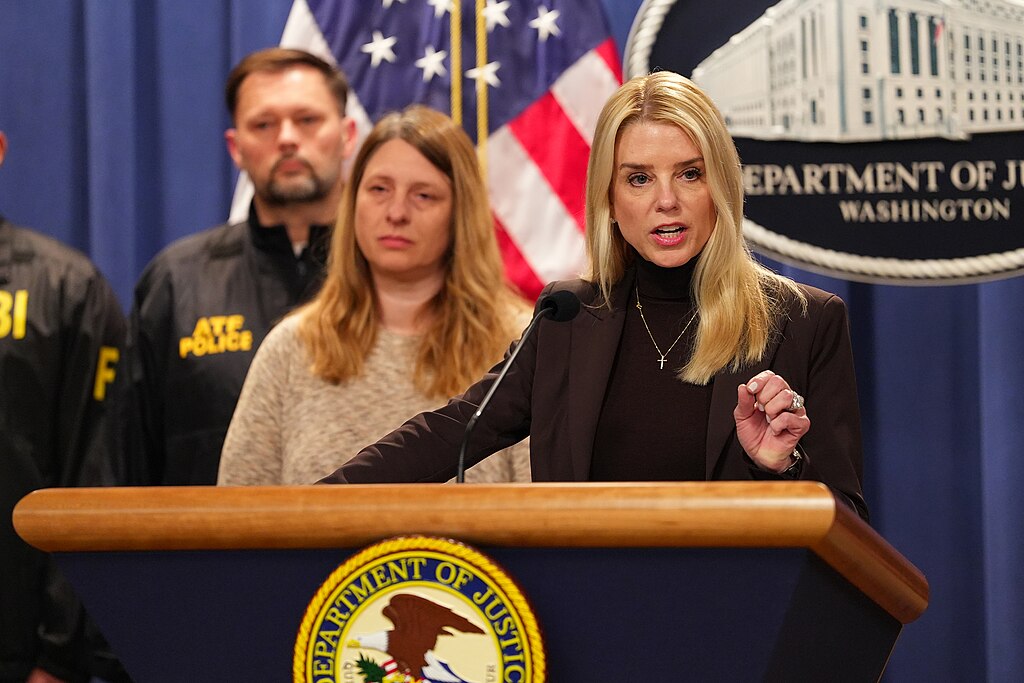
In recent weeks, the Coast Guard has seized two other oil tankers near Venezuela. One of those operations was publicized by U.S. Attorney General Pam Bondi, who shared video footage of armed teams boarding a vessel from helicopters. Another seizure involved the tanker Centuries, with Coast Guard personnel deployed from the USS Gerald Ford aircraft carrier.
Despite these successes, officials and experts say the Coast Guard remains overstretched. The service, which operates under the Department of Homeland Security, has long warned of a readiness crisis caused by limited funding and expanding responsibilities, including drug interdiction and search and rescue. Although the Coast Guard requested $14.6 billion for the 2026 fiscal year and is set to receive additional funding through new legislation, leaders caution that resource gaps remain severe.
As the pursuit of the Bella 1 continues, the administration may still decide not to board the vessel. The White House, however, says the United States remains in active pursuit of what it describes as a sanctioned “dark fleet” tanker involved in Venezuela’s oil sanctions evasion.













