


 Taiwan Coast Guard Officer Finds Strength in Faith as China Increases Pressure in Taiwan Strait
  Mexico, U.S. Launch Sterile Fly Facility to Combat New World Screwworm Outbreak
  Andy Burnham Sets Out Vision to Decentralize Britain as Labour Leadership Race Begins
  Ukraine Strikes Russian Titan-Barrikady Plant With Long-Range FP-5 Flamingo Missile
  Trump Urges Gasoline Retailers to Cut Prices to $2.50 Per Gallon, Warns of Legal Action
  Trump Suspends Some Morocco Fertilizer Tariffs to Ease U.S. Supply Shortage
  Iran Skips U.S. Technical Talks Over Unmet MoU Conditions and Frozen Funds Dispute
  Serbia President Aleksandar Vucic to Resign, Calls Early Elections After Months of Protests
  US, Iran Agree to Halt Attacks Ahead of Doha Talks on Strait of Hormuz
  Trump Threatens 100% Tariffs on Countries Imposing Digital Services Taxes on U.S. Tech Firms
  US Strikes Iran Again After Strait of Hormuz Tanker Attack Escalates Ceasefire Tensions
  Australia, Vanuatu Sign Security Pact Amid Pacific Influence Competition
  Australia Plans Higher Fines for Social Media Firms Failing to Block Underage Users
  Russian Attacks Kill Four in Ukraine as Zaporizhzhia and Kharkiv Come Under Fire
  Trump Questions Housing Bill as He Prioritizes SAVE America Act
  Canada Grants C$7 Million to Greenland Molybdenum Mine to Strengthen Critical Minerals Supply


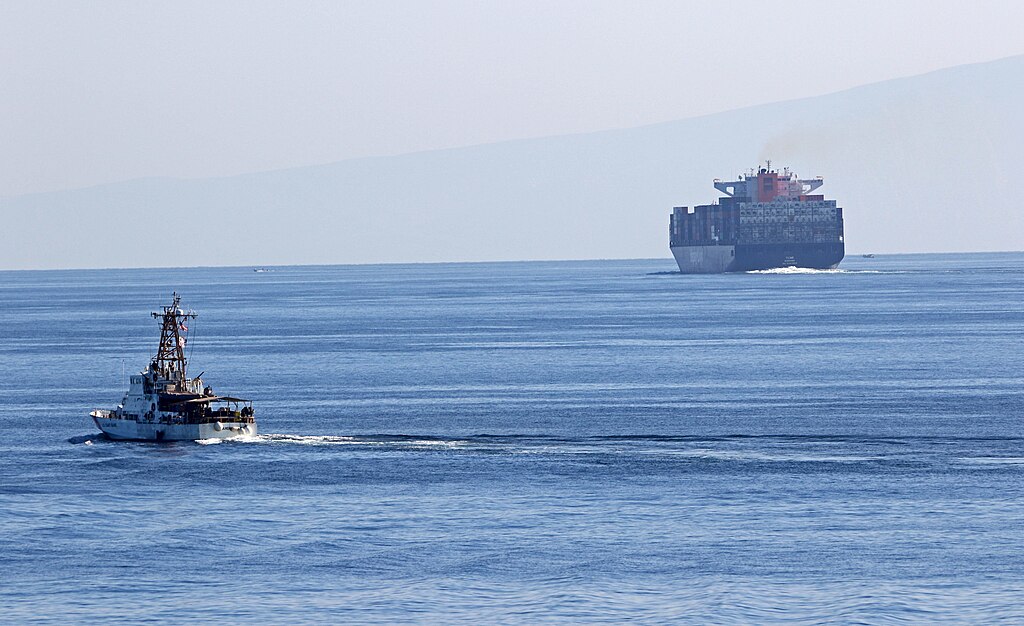
President Donald Trump announced Sunday that the United States Navy would begin blockading the Strait of Hormuz following the breakdown of high-stakes nuclear negotiations with Iran in Islamabad. The U.S. Central Command confirmed the blockade would take effect Monday at 10 a.m. ET, targeting all maritime traffic entering and departing Iranian ports across the Arabian Gulf and Gulf of Oman.
Trump declared that any vessel paying tolls to Iran would lose safe passage in international waters, and that American forces would begin clearing mines Iran allegedly deployed in the strategically critical strait. The Strait of Hormuz serves as a transit point for roughly 20% of the world's energy supply, making the standoff a major threat to global oil markets. Crude prices surged past $100 per barrel Monday morning in response to the escalating tensions.
Iran's Revolutionary Guards warned that military vessels approaching the strait would be treated as a ceasefire violation, signaling potential for dangerous escalation. Iranian Foreign Minister Abbas Araqchi accused Washington of "maximalism and shifting goalposts," saying his delegation had negotiated in good faith only to be met with unreasonable demands.
Vice President JD Vance, who led the American delegation, said the failure to reach an agreement was far worse for Iran than for the United States. Key sticking points included Washington's demands for Iran to halt all uranium enrichment, dismantle major nuclear facilities, transfer highly enriched uranium, and cut funding to militant groups including Hamas, Hezbollah, and the Houthis.
Despite the diplomatic collapse, Trump expressed confidence that Iran would return to the negotiating table. Iran's President Masoud Pezeshkian echoed a similar openness, saying a fair agreement remained achievable if the U.S. respects international law. The two-week ceasefire, announced just days earlier, now hangs in serious jeopardy as both sides hold firm positions amid rising global economic uncertainty.







